Qu'est-ce que le postmodernisme?
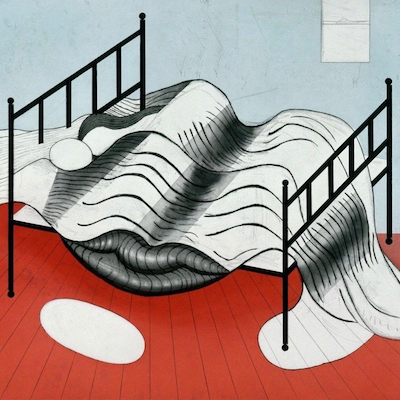
Le postmodernisme est un mouvement artistique qui a émergé en réaction contre l'autorité et les frontières traditionnelles, cherchant à brouiller les limites entre l'art et la vie quotidienne. Il visait à combler le fossé entre l'élite culturelle et le grand public en adoptant des mélanges éclectiques de conventions et de styles antérieurs. L'art postmoderniste remet souvent en question les normes établies et célèbre la diversité, l'ironie et le pastiche, faisant de ce mouvement un reflet des complexités de la culture contemporaine.
Voir tout
- Voir tout
- Établie
- Découvertes
A,B,C
OEUVRES D’ART LIéES à LA POSTMODERNISME
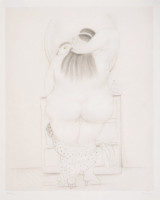
Fernando Botero
Dessins et Aquarelles: one plate, 1984
Édition Limitée
Offset
USD 6,300
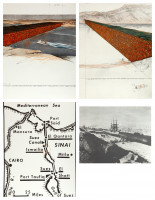
Javacheff Christo
Wall of 10 Million Oil Drums, Project for the Suez Canal, 1972
Édition Limitée
Sérigraphie (Screen-print)
EUR 3,000
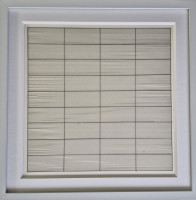
Agnes Martin
Untitled 10 (from Paintings and Drawings: 1974-1990), 1991
Édition Limitée
Lithographie
EUR 2,000
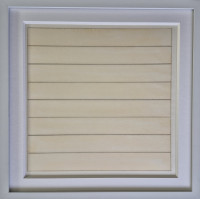
Agnes Martin
Untitled 9 (from Paintings and Drawings: 1974-1990), 1991
Édition Limitée
Lithographie
EUR 2,000
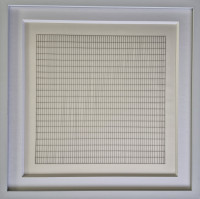
Agnes Martin
Untitled 8 (from Paintings and Drawings: 1974-1990), 1991
Édition Limitée
Lithographie
EUR 2,000
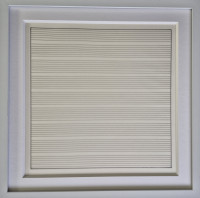
Agnes Martin
Untitled 7 (from Paintings and Drawings: 1974-1990), 1991
Édition Limitée
Lithographie
EUR 2,000
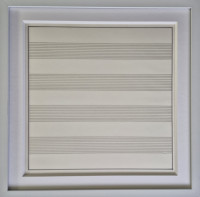
Agnes Martin
Untitled 6 (from Paintings and Drawings: 1974-1990), 1991
Édition Limitée
Lithographie
EUR 2,000
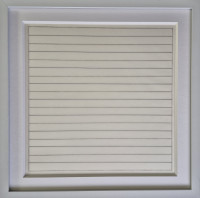
Agnes Martin
Untitled 5 (from Paintings and Drawings: 1974-1990), 1991
Édition Limitée
Lithographie
EUR 2,000
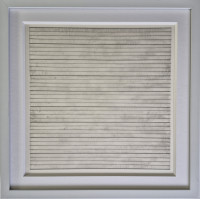
Agnes Martin
Untitled 4 (from Paintings and Drawings: 1974-1990), 1991
Édition Limitée
Lithographie
EUR 2,000
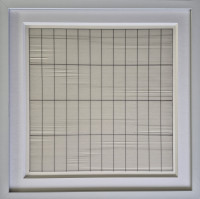
Agnes Martin
Untitled 3 (from Paintings and Drawings: 1974-1990), 1991
Édition Limitée
Lithographie
EUR 2,000
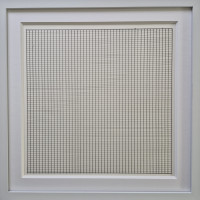
Agnes Martin
Untitled 2 (from Paintings and Drawings: 1974-1990), 1991
Édition Limitée
Lithographie
EUR 2,000

Agnes Martin
Untitled 1 (from Paintings and Drawings: 1974-1990), 1991
Édition Limitée
Lithographie
EUR 2,000
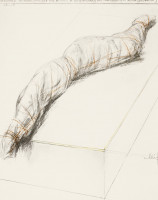
Javacheff Christo
Wrapped Woman, 1973
Édition Limitée
Sérigraphie (Screen-print)
USD 2,590
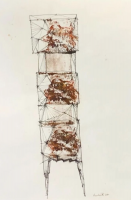
Lynn Chadwick
Study for the Watcher, 1960
Dessin / Aquarelle
Encre
Demander Le Prix
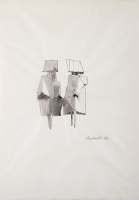
Lynn Chadwick
Two Watchers, 1968
Dessin / Aquarelle
Encre
GBP 10,000 - 15,000
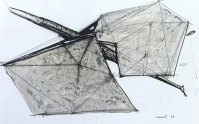
Lynn Chadwick
Study Related to Bird III, 1958
Dessin / Aquarelle
Mixed média
GBP 25,000 - 30,000
Articles Liés
Populaire, Artistes - October 10, 2025
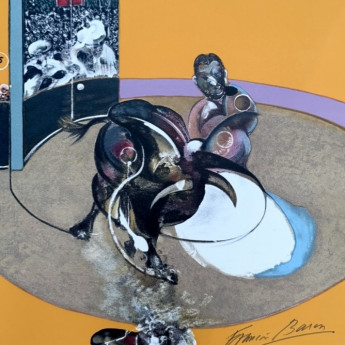
Francis Bacon : Réalités Déformées et Émotion Brute
Francis Bacon expose la condition humaine à vif : des figures distordues, pleines d’émotion brute, entre souffrance et intensité. Lire Plus
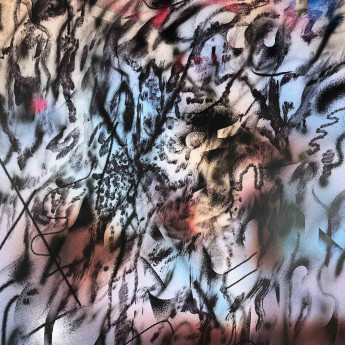

Argile est un matériau naturel formé lorsque les roches se décomposent avec le temps en raison des intempéries. L'eau transporte les fines particules de terre, qui s'accumulent sous forme de boue molle et collante. Cette boue est collectée, nettoyée et raffinée en éliminant les impuretés telles que les pierres et en ajoutant du sable pour améliorer sa texture, donnant ainsi de l'argile utilisable.
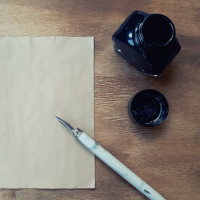
La plume et encre est une technique de dessin traditionnelle qui consiste à utiliser une plume trempée dans de l'encre de Chine sur du papier. La fine pointe de la plume est idéale pour créer des lignes variées et des ombrages détaillés. Certains artistes préfèrent utiliser un stylo-plume avec réservoir d'encre pour plus de commodité.