Details
Artist
Styles
Paper: Mandeure's Chiffon; plate size: 34'5 x 50 cm.; artwork size: 57'5 x 77'7 cm. - In perfect condition - Published by Maeght, Paris. Cataloging number: 229. Listed on page 138 of Tàpies. Graphic work; 1947-1972. Editorial Gustavo Gili. 1973. // Le Tableau by Antoni Tàpies, created in 1970, is an etching on Mandeure's Chiffon paper, produced in a limited edition of 75 copies and published by Maeght in Paris. This artwork centers on a small, rectangular black area within a larger white space, creating a striking contrast. In the black section, a series of white, stitch-like markings crisscross horizontally and diagonally, resembling sutures or scars. The simplicity of the composition, with its high contrast and restrained color palette, evokes themes of repair, resilience, and the passage of time. The texture and tactile quality of Tàpies' etched lines add depth, inviting viewers to interpret the markings as symbols of healing or fragmentation. Le Tableau is listed in Tàpies' catalog raisonné, underscoring its significance within his exploration of abstraction and symbolism.
Le Tableau, 1970
form
Medium
Size
34.5 x 50 cm
- Inches
- Centimeters
Edition
Price
- USD
- EUR
- GBP
Details
Artist
Styles
Paper: Mandeure's Chiffon; plate size: 34'5 x 50 cm.; artwork size: 57'5 x 77'7 cm. - In perfect condition - Published by Maeght, Paris. Cataloging number: 229. Listed on page 138 of Tàpies. Graphic work; 1947-1972. Editorial Gustavo Gili. 1973. // Le Tableau by Antoni Tàpies, created in 1970, is an etching on Mandeure's Chiffon paper, produced in a limited edition of 75 copies and published by Maeght in Paris. This artwork centers on a small, rectangular black area within a larger white space, creating a striking contrast. In the black section, a series of white, stitch-like markings crisscross horizontally and diagonally, resembling sutures or scars. The simplicity of the composition, with its high contrast and restrained color palette, evokes themes of repair, resilience, and the passage of time. The texture and tactile quality of Tàpies' etched lines add depth, inviting viewers to interpret the markings as symbols of healing or fragmentation. Le Tableau is listed in Tàpies' catalog raisonné, underscoring its significance within his exploration of abstraction and symbolism.
- Recently Added
- Price (low-high )
- Price (high-low )
- Year (low-high )
- Year (high-low )

Antoni Tapies
A Damunt Vermell 1, 1976
Limited Edition Print
Etching
EUR 3,700

Antoni Tapies
Cordill , 1971
Limited Edition Print
Etching
EUR 6,000

Antoni Tapies
Mitjó , 1971
Limited Edition Print
Etching
EUR 6,000

Antoni Tapies
Orella , 1971
Limited Edition Print
Etching
EUR 6,000

Antoni Tapies
Llambrec-1 , 1975
Limited Edition Print
Lithograph
EUR 1,500

Antoni Tapies
Paper Cremat , 1975
Limited Edition Print
Etching
EUR 5,000

Antoni Tapies
Arc I Creu, 1982
Limited Edition Print
Etching And Aquatint
EUR 1,350

Antoni Tapies
Clau-13, 1973
Limited Edition Print
Lithograph
EUR 1,600

Antoni Tapies
Visca Catalunya, 1976
Limited Edition Print
Etching
EUR 4,000

Antoni Tapies
Aparicions-6, 1982
Limited Edition Print
Etching
EUR 3,300

Antoni Tapies
Quadrats I Grafismes, 1976
Limited Edition Print
Etching
EUR 2,700
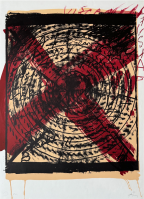
Antoni Tapies
Diana, 1973
Limited Edition Print
Lithograph
EUR 2,650

Antoni Tapies
Deux Pieds, 1997
Limited Edition Print
Lithograph
EUR 2,100

Antoni Tapies
Neujahrskarte, 1983/84
Limited Edition Print
Lithograph
EUR 1,750

Antoni Tapies
Memoria Personal, 1988
Limited Edition Print
Lithograph
EUR 2,800

Antoni Tapies
Clau 18, 1973
Limited Edition Print
Etching
EUR 3,700

Antoni Tapies
Roig I Negre I, 1985
Limited Edition Print
Etching
EUR 11,900

Antoni Tapies
Damunt Diari, 1975
Limited Edition Print
Etching
EUR 4,250

Antoni Tapies
Fora, 1976
Limited Edition Print
Mixed Media
EUR 5,450

Antoni Tapies
Quatre Rius De Sang, 1972
Limited Edition Print
Mixed Media
EUR 5,450

Antoni Tapies
Llambrec-11, 1975
Limited Edition Print
Lithograph
EUR 1,800

Antoni Tapies
Poems 5, 1974
Limited Edition Print
Lithograph
EUR 1,900

Antoni Tapies
Primer Congreso Nacional De Neuropedriatria, 1982
Limited Edition Print
Etching
EUR 1,875

Antoni Tapies
Roig I Negre 2, 1985
Limited Edition Print
Mixed Media
EUR 12,950

Antoni Tapies
Informal, 1987
Limited Edition Print
Etching And Aquatint
EUR 5,450

Antoni Tapies
Forma Ombrejada, 1987
Limited Edition Print
Etching And Aquatint
EUR 5,450

Antoni Tapies
Cobert De Roig, 1984
Limited Edition Print
Etching
EUR 7,450

Antoni Tapies
Pintura I
Limited Edition Print
Lithograph
EUR 2,600

Antoni Tapies
Untitled (Abstract Symbol), 1985
Limited Edition Print
Lithograph
EUR 4,250

Antoni Tapies
La Cama, 1975
Limited Edition Print
Etching
EUR 3,700

Antoni Tapies
La Grande Grise, 1968
Limited Edition Print
Lithograph
EUR 6,600

Antoni Tapies
Voilé, 1981
Limited Edition Print
Etching
EUR 3,350

Antoni Tapies
Esperit Catalá II, 1974
Limited Edition Print
Etching
EUR 3,100

Antoni Tapies
Les Quatre Croix, 1969
Limited Edition Print
Etching
EUR 3,090

Antoni Tapies
Deux Trous 1, 1984
Limited Edition Print
Lithograph
EUR 1,550

Antoni Tapies
Pied Marron, 1984
Limited Edition Print
Lithograph
EUR 3,675

Antoni Tapies
Variations Thème Musical, 1987
Limited Edition Print
Lithograph
EUR 2,650

Antoni Tapies
Aparicions 5, 1982
Limited Edition Print
Etching
EUR 3,675

Antoni Tapies
2. Empreinte Barrée 1, 1984
Limited Edition Print
Lithograph
EUR 1,550

Antoni Tapies
A. L. Exposition Tàpies 1, 1983
Limited Edition Print
Lithograph
EUR 1,875

Antoni Tapies
Erinnerungen, 1988
Limited Edition Print
Lithograph
EUR 850

Antoni Tapies
Nocturno Matinal 1, 1970
Limited Edition Print
Lithograph
EUR 1,150

Antoni Tapies
Taches Et Chiffres 1, 1972
Limited Edition Print
Mixed Media
EUR 3,675

Antoni Tapies
617. Sin Título, 1978
Limited Edition Print
Lithograph
EUR 3,090

Antoni Tapies
Frigoli 10, 1969
Limited Edition Print
Lithograph
EUR 1,350

Antoni Tapies
Cartel From Nocturn Matinal, 1970
Limited Edition Print
Lithograph
EUR 1,350

Antoni Tapies
Berliner-Suite 4, 1974
Limited Edition Print
Lithograph
EUR 1,875

Antoni Tapies
2 Estisores-2, 1979
Limited Edition Print
Mixed Media
EUR 4,800

Antoni Tapies
Gran Laca 1, 1987
Limited Edition Print
Mixed Media
EUR 4,265

Antoni Tapies
Berliner-Suite 6, 1974
Limited Edition Print
Lithograph
EUR 1,875

Antoni Tapies
Berliner-Suite 3, 1974
Limited Edition Print
Lithograph
EUR 2,650

Antoni Tapies
41. Obra Gráfica, 1964
Limited Edition Print
Lithograph
EUR 1,250

Antoni Tapies
3. Nocturno Matinal 2, 1970
Limited Edition Print
Lithograph
EUR 1,250

Antoni Tapies
El Dit, 1987
Limited Edition Print
Mixed Media
EUR 3,675

Antoni Tapies
Un Fragment De Statue, 1984
Limited Edition Print
Etching
EUR 3,090

Antoni Tapies
Berliner-Suite 1, 1974
Limited Edition Print
Lithograph
EUR 1,150

Antoni Tapies
Glissement 1, 1981
Limited Edition Print
Mixed Media
EUR 4,800

Antoni Tapies
Círculo De Piedra 1, 1970
Limited Edition Print
Lithograph
EUR 1,350

Antoni Tapies
Creu Deformada 1, 1979
Limited Edition Print
Mixed Media
EUR 3,700

Antoni Tapies
Flecha, 1990
Limited Edition Print
Etching And Aquatint
EUR 3,675

Antoni Tapies
El Pa A La Barca 2, 1963
Limited Edition Print
Lithograph
EUR 1,150

Antoni Tapies
Suite 63 X 90, 1980
Limited Edition Print
Lithograph
EUR 2,650

Antoni Tapies
Boutonné, 1983
Limited Edition Print
Etching
EUR 7,200

Antoni Tapies
Bois Des Cerfs 2, 2003
Limited Edition Print
Etching
EUR 3,700

Antoni Tapies
Le Tableau, 1970
Limited Edition Print
Etching
EUR 2,650

Antoni Tapies
Fregoli 1, 1969
Limited Edition Print
Lithograph
EUR 1,150

Antoni Tapies
Antes De La Carta, 1967
Limited Edition Print
Lithograph
EUR 1,150

Antoni Tapies
619. Sin Título, 1960
Limited Edition Print
Lithograph
EUR 1,550

Antoni Tapies
Untitled (Dusky Horizon), 1962
Limited Edition Print
Lithograph
EUR 1,875

Antoni Tapies
618. Sin Título, 1982
Limited Edition Print
Lithograph
EUR 3,700

Antoni Tapies
Minor VI, 1988
Limited Edition Print
Etching
EUR 1,875

Antoni Tapies
Esgriafats Damunt Negre 2, 1976
Limited Edition Print
Etching
EUR 3,700

Antoni Tapies
Aparicions 8, 1982
Limited Edition Print
Etching
EUR 3,100

Antoni Tapies
Cartró, 1977
Limited Edition Print
Etching
EUR 3,700

Antoni Tapies
Chaussures Sur Chaise, 1984
Limited Edition Print
Lithograph
EUR 3,200

Antoni Tapies
Dentelle, 1977
Limited Edition Print
Lithograph
EUR 3,200

Antoni Tapies
Cannage, 1984
Limited Edition Print
Lithograph
EUR 3,200

Antoni Tapies
Graphismes Et Deux Croix, 1972
Limited Edition Print
Etching
EUR 5,950

Antoni Tapies
Vaisselle, 1984
Limited Edition Print
Mixed Media
EUR 4,250

Antoni Tapies
Libertad, 1976
Drawing / Watercolor
Mixed Media
EUR 23,700

Antoni Tapies
Moix, 1967
Limited Edition Print
Lithograph
EUR 7,200

Antoni Tapies
Nocturn Matinal -8 , 1970
Limited Edition Print
Lithograph
EUR 3,600

Antoni Tapies
Nocturno Matinal, 1970
Limited Edition Print
Mixed Media
EUR 3,700

Antoni Tapies
Z, 1979
Limited Edition Print
Mixed Media
EUR 5,500

Antoni Tapies
Poligrafa XV Anys , 1980
Limited Edition Print
Lithograph
EUR 1,700

Antoni Tapies
Oval I Blanc , 1982
Limited Edition Print
Etching
EUR 3,300

Antoni Tapies
Aparicions-9 , 1982
Limited Edition Print
Etching
EUR 3,300

Antoni Tapies
Aparicions-7 , 1982
Limited Edition Print
Etching
EUR 3,300

Antoni Tapies
Aparicions-4 , 1982
Limited Edition Print
Etching
EUR 2,500

Antoni Tapies
Aparicions-3 , 1982
Limited Edition Print
Etching
EUR 3,300

Antoni Tapies
Aparicions-1 , 1982
Limited Edition Print
Etching
EUR 3,300

Antoni Tapies
70, 1973
Limited Edition Print
Mixed Media
EUR 3,300

Antoni Tapies
Lletres I Gris , 1976
Limited Edition Print
Etching
EUR 4,000

Antoni Tapies
Llambrec-18 , 1975
Limited Edition Print
Lithograph
EUR 1,800

Antoni Tapies
Llambrec-16 , 1975
Limited Edition Print
Lithograph
EUR 2,000

Antoni Tapies
Llambrec-13 , 1975
Limited Edition Print
Lithograph
EUR 2,000

Antoni Tapies
Llambrec-12 , 1975
Limited Edition Print
Lithograph
EUR 1,500

Antoni Tapies
Llambrec-10 , 1975
Limited Edition Print
Lithograph
EUR 1,500

Antoni Tapies
Llambrec-9 , 1975
Limited Edition Print
Lithograph
EUR 1,200

Antoni Tapies
Llambrec-8 , 1975
Limited Edition Print
Lithograph
EUR 1,500

Antoni Tapies
Llambrec-7 , 1975
Limited Edition Print
Lithograph
EUR 2,000

Antoni Tapies
Llambrec-6 , 1975
Limited Edition Print
Lithograph
EUR 1,200

Antoni Tapies
Llambrec-5 , 1975
Limited Edition Print
Lithograph
EUR 1,500

Antoni Tapies
Llambrec-3 , 1975
Limited Edition Print
Lithograph
EUR 1,500

Antoni Tapies
Llambrec-2 , 1975
Limited Edition Print
Lithograph
EUR 2,200

Antoni Tapies
Clau-19 , 1973
Limited Edition Print
Etching
EUR 2,600

Antoni Tapies
Clau-12 , 1973
Limited Edition Print
Lithograph
EUR 1,600

Antoni Tapies
Clau-11 , 1973
Limited Edition Print
Lithograph
EUR 800

Antoni Tapies
Clau-5, 1973
Limited Edition Print
Lithograph
EUR 1,600

Antoni Tapies
Llambrec-4 , 1975
Limited Edition Print
Lithograph
EUR 1,200

Antoni Tapies
Perfil, 1987
Limited Edition Print
Mixed Media
Currently Not Available
Related Artists


Related Articles

Art Movements - September 24, 2024
Beauty by Proportion: How the Golden Ratio Inspires Artists
Uncover how the Golden Ratio shapes art and design! Explore its role in harmony, from Le Corbusier’s architecture to contemporary aesthetics. Read More

What is the Zero Movement?
ZERO was an art movement founded by Otto Piene and Heinz Mack, aiming to develop into a large international and cross-border movement. The name ZERO originated from a magazine founded by Heinz Mack in 1957, which became a platform for the group's ideas. The magazine was published for several years before ceasing in 1967. The ZERO movement sought to create a new beginning in art, emphasizing light, space, and movement, and became influential in post-war European art.