Details
Artist
Styles
Etching and collage - Image size: 37.5 X 30 cm - Sheet size: 60 X 50 cm. // Botticelli como pretexto III by Manolo Valdés, created in 1996, is a limited edition print that creatively reinterprets the classical art of Sandro Botticelli. Using etching and collage, Valdés combines elements of Botticelli’s iconic Renaissance figures with his own contemporary approach. The profile of the woman, reminiscent of Botticelli’s style, is adorned with abstract textures and patterns, integrating fragmented imagery. The composition juxtaposes classical elegance with modern abstraction, illustrating Valdés’ skill in bridging past and present. The artwork’s muted palette, combined with intricate layering, adds depth and a sense of timelessness to the piece.
Botticelli como pretexto III, 1996
form
Medium
Size
60 x 50 cm
- Inches
- Centimeters
Edition
Price
Details
Artist
Styles
Etching and collage - Image size: 37.5 X 30 cm - Sheet size: 60 X 50 cm. // Botticelli como pretexto III by Manolo Valdés, created in 1996, is a limited edition print that creatively reinterprets the classical art of Sandro Botticelli. Using etching and collage, Valdés combines elements of Botticelli’s iconic Renaissance figures with his own contemporary approach. The profile of the woman, reminiscent of Botticelli’s style, is adorned with abstract textures and patterns, integrating fragmented imagery. The composition juxtaposes classical elegance with modern abstraction, illustrating Valdés’ skill in bridging past and present. The artwork’s muted palette, combined with intricate layering, adds depth and a sense of timelessness to the piece.
- Recently Added
- Price (low-high )
- Price (high-low )
- Year (low-high )
- Year (high-low )

Manolo Valdés
Las Damas De Barajas, 2006
Sculpture / Object
Bronze
EUR 23,890

Manolo Valdés
Retratro De Mujer Con Mantilla, 1992
Limited Edition Print
Mixed Media
EUR 21,300

Manolo Valdés
Mujer Con Sombrero IV , I, 2002
Limited Edition Print
Mixed Media
EUR 16,900

Manolo Valdés
Condeduque, 1987
Limited Edition Print
Etching
EUR 3,100
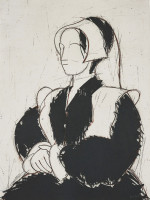
Manolo Valdés
Don Juan XI, 2007
Limited Edition Print
Etching
EUR 3,400
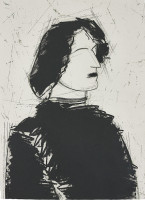
Manolo Valdés
Don Juan X, 2007
Limited Edition Print
Etching
EUR 3,400

Manolo Valdés
Helene II, 2004
Limited Edition Print
Collage
EUR 9,600

Manolo Valdés
Helene I, 2004
Limited Edition Print
Collage
EUR 9,600

Manolo Valdés
Jarron Con 2 Asas, 1993
Limited Edition Print
Collage
EUR 11,900

Manolo Valdés
La Donna Italiana (Helene), 2005
Limited Edition Print
Collage
EUR 4,250

Manolo Valdés
Eva III, 1993
Limited Edition Print
Mixed Media
EUR 9,500

Manolo Valdés
Desnudo I, 2002
Limited Edition Print
Etching
EUR 1,875

Manolo Valdés
Desnudo VI, 2002
Limited Edition Print
Etching
EUR 1,900

Manolo Valdés
Desnudo XIII, 2002
Limited Edition Print
Etching
EUR 1,875

Manolo Valdés
Rembrandt, 1986
Limited Edition Print
Mixed Media
Artwork On Hold

Manolo Valdés
Las Meninas #4, 2000
Limited Edition Print
Etching
EUR 3,700

Manolo Valdés
Still Life III, 1986
Limited Edition Print
Etching
EUR 1,550

Manolo Valdés
Still Life V, 1986
Limited Edition Print
Etching
EUR 1,550

Manolo Valdés
Still Life VI, 1986
Limited Edition Print
Etching
EUR 1,570

Manolo Valdés
Las Meninas, 2000
Limited Edition Print
Etching
Currently Not Available

Manolo Valdés
Dama Con Sombrero (Pamela I), 2013
Limited Edition Print
Collage
Currently Not Available

Manolo Valdés
Botticelli Como Pretexto III, 1996
Limited Edition Print
Mixed Media
Currently Not Available

Manolo Valdés
Book 'Don Juan', 2007
Limited Edition Print
Etching
Currently Not Available
Related Artists


Related Articles

Popular, Art Movements - May 01, 2020
Reinvention of the Art world: The Insurgency of Pop Art
Explore the rise of Pop Art, from its roots in 1950s Britain to its global impact. Discover iconic works by Warhol, Lichtenstein, and others redefining culture. Read More

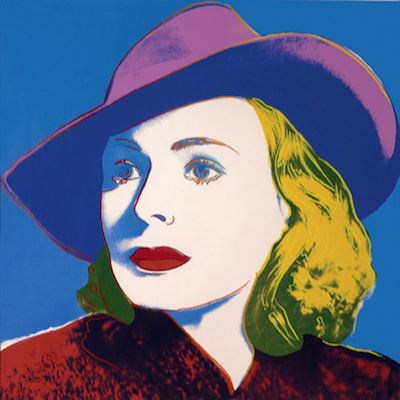
What is pop-art?
Pop Art is an art movement that began in Britain in 1955 and in the late 1950s in the U.S. It challenged traditional fine arts by incorporating imagery from popular culture, such as news, advertising, and comic books. Pop Art often isolates and recontextualizes materials, combining them with unrelated elements. The movement is more about the attitudes and ideas that inspired it than the specific art itself. Pop Art is seen as a reaction against the dominant ideas of Abstract Expressionism, bringing everyday consumer culture into the realm of fine art.