What is Intaglio?
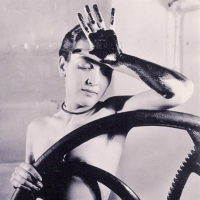
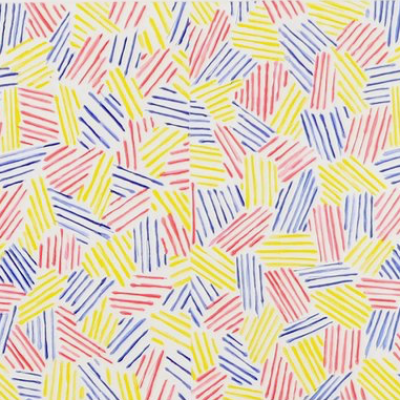
Intaglio is a printmaking technique where a design is incised below the surface of a metal or stone plate. Ink is applied to the plate, filling the incised lines or depressions, while the surface is wiped clean. The ink in the depressions is then transferred to paper using an etching press. Common intaglio techniques include engraving, etching, and drypoint.
Show All
- Show All
- Established
- Discoveries
Show All
ARTWORKS RELATED TO INTAGLIO
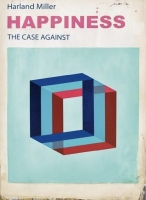
Harland Miller
Happiness (small), 2017
Limited Edition Print
Intaglio
Inquire For Price
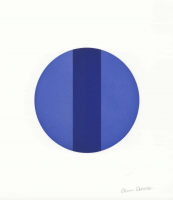
Carmen Herrera
Untitled (Vertical Blue Band), 2018
Limited Edition Print
Intaglio
GBP 7,000 - 10,000

Yoshitomo Nara
Y.N. (Self-Portrait), 2002
Limited Edition Print
Intaglio
Inquire For Price

Damien Hirst
Memento 3, 2008
Limited Edition Print
Intaglio
Inquire For Price

Helen Frankenthaler
Valentine for Mr. Wonderful (book), 1995
Limited Edition Print
Intaglio
USD 15,700
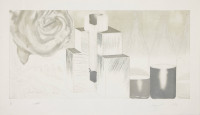
James Rosenquist
Just Desert Israel 2nd State, 1979
Limited Edition Print
Intaglio
Inquire For Price
Related Articles

Artists - November 04, 2024
Nara: 'Cosmic Girl' Print Series (1999-2020): A Technical and Market Analysis
Delve into Yoshitomo Nara’s iconic Cosmic Girl series (1999–2020). Explore its artistic innovation, market dynamics, and technical evolution in printmaking. Read More

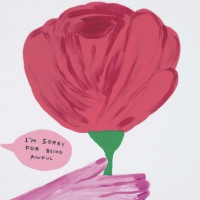
Naïve art describes a style of artwork that is simple and unsophisticated, often created by artists without formal training in an academy or art school. The style is characterized by a lack of advanced techniques, giving it a childlike appearance. Naïve art often features bright colors, simple shapes, and a straightforward approach to subject matter, reflecting the artist's untrained perspective.

Sound Art is an artistic discipline where sound is used as the primary medium. Like other contemporary art genres, Sound Art is inherently interdisciplinary, engaging with a variety of subjects including electronics, acoustics, noise music, psychoacoustics, audio media, video, film, and sculpture. Early examples of Sound Art include Luigi Russolo's noise intoners, as well as experimental works by Surrealists, Dadaists, and the Fluxus movement. These early pioneers helped establish sound as a legitimate medium for artistic expression.