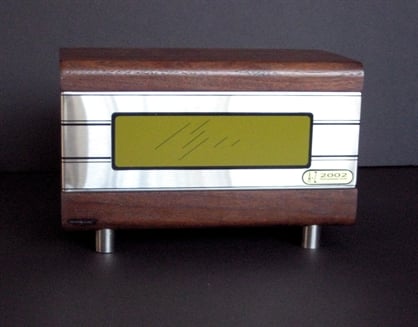
This walnut and brushed stainless steel sculpture with applied vinyl decals was created by the artist in 2002. Signed and numbered in pen (on bottom of unit) from the edition of 99.
Andrea Zittel’s A-Z Homestead Unit, created in 2002, is a minimalist sculpture that combines walnut wood and brushed stainless steel, accented with applied vinyl decals. This piece reflects Zittel’s interest in functional design and the simplification of modern living spaces. The compact, box-like structure, elevated on small metal legs, resembles a small appliance or piece of modular furniture, blurring the lines between art and utility. The streamlined design, with clean lines and an industrial feel, invites contemplation on the nature of personal spaces and the aesthetics of utilitarian objects. Signed and numbered on the bottom, this work is part of a limited edition of 99, making it a unique collectible in contemporary art.
Artwork Copyright © Andrea ZittelAndrea Zittel (United States, 1965) is an American artist whose work explores the intersection of art, design, and architecture. She creates functional objects and living spaces that challenge conventional notions of domesticity and lifestyle. Notable projects include her 'Living Units' and 'Wagon Stations,' which examine self-sufficiency and adaptability in modern living.
Artwork Copyright © Andrea ZittelA-Z Homestead Unit, 2002
Form
Medium
Size
- Inches
- Centimeters
Edition
Price
Available works →
- Authenticity Guaranteed
- Insured Shipping
- Online Since 2005
●
●Inventory 2103
●Signed
●Comes with gallery invoice and certificate
●Sell Us a Similar Artwork. Learn more.
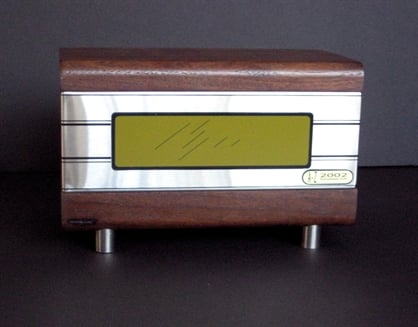
This walnut and brushed stainless steel sculpture with applied vinyl decals was created by the artist in 2002. Signed and numbered in pen (on bottom of unit) from the edition of 99.
Andrea Zittel’s A-Z Homestead Unit, created in 2002, is a minimalist sculpture that combines walnut wood and brushed stainless steel, accented with applied vinyl decals. This piece reflects Zittel’s interest in functional design and the simplification of modern living spaces. The compact, box-like structure, elevated on small metal legs, resembles a small appliance or piece of modular furniture, blurring the lines between art and utility. The streamlined design, with clean lines and an industrial feel, invites contemplation on the nature of personal spaces and the aesthetics of utilitarian objects. Signed and numbered on the bottom, this work is part of a limited edition of 99, making it a unique collectible in contemporary art.
Artwork Copyright © Andrea ZittelAndrea Zittel (United States, 1965) is an American artist whose work explores the intersection of art, design, and architecture. She creates functional objects and living spaces that challenge conventional notions of domesticity and lifestyle. Notable projects include her 'Living Units' and 'Wagon Stations,' which examine self-sufficiency and adaptability in modern living.
Artwork Copyright © Andrea Zittel- Recently Added
- Price (Low-High)
- Price (High-Low)
- Year (Low-High)
- Year (High-Low)
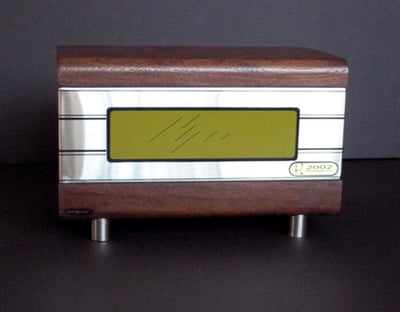
Andrea Zittel
A-Z Homestead Unit, 2002
Sculpture / Object
Mixed Media
Currently Not Available
Related Artists

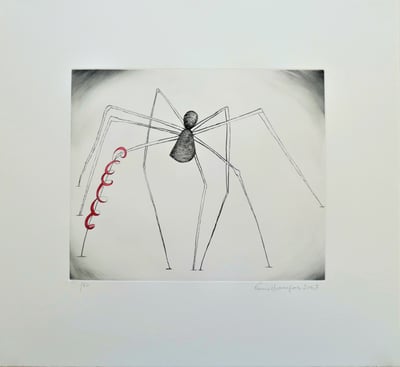



Artwork by Miles Aldridge
What is contemporary art?
Contemporary art refers to avant-garde or innovative art created in the recent past or present day. The exact starting point of contemporary art varies depending on the institution, often tied to the founding year of museums or galleries that showcase the style. Contemporary art is characterized by its focus on current ideas, diverse media, and the exploration of new concepts and techniques.