

Ditone print - Signed and numbered on the back
Woman Crying (Comic) by Anne Collier, created in 2020, is a limited edition ditone print measuring 37.1 x 45 cm. This piece features a close-up image of a teary eye, taken from a comic book, which highlights Collier's method of appropriating and recontextualizing popular culture imagery. By isolating and magnifying this single moment of emotion, Collier invites viewers to engage with the portrayal of sadness and its representation within mass media. The use of bold lines and halftone dots preserves the aesthetic of classic comic art, while the subject's emotional intensity encourages reflection on the ways we perceive and relate to such dramatized depictions of feeling.
Artwork Copyright © Anne CollierAnne Collier (USA, 1970) is a contemporary visual artist known for her photographic works that recontextualize found images and objects. Her art critically examines themes of representation, perception, and the role of media in shaping identity. Collier's work has been exhibited internationally, including at the Museum of Modern Art in New York and the Art Gallery of Ontario.
Artwork Copyright © Anne CollierWoman Crying (Comic), 2020
Form
Medium
Size
- Inches
- Centimeters
Edition
Price
Available works →
- Authenticity Guaranteed
- Insured Shipping
- Online Since 2005
●
●Inventory 11309
●Signed
●Comes with gallery invoice and certificate
●Sell Us a Similar Artwork. Learn more.
Ditone print - Signed and numbered on the back
Woman Crying (Comic) by Anne Collier, created in 2020, is a limited edition ditone print measuring 37.1 x 45 cm. This piece features a close-up image of a teary eye, taken from a comic book, which highlights Collier's method of appropriating and recontextualizing popular culture imagery. By isolating and magnifying this single moment of emotion, Collier invites viewers to engage with the portrayal of sadness and its representation within mass media. The use of bold lines and halftone dots preserves the aesthetic of classic comic art, while the subject's emotional intensity encourages reflection on the ways we perceive and relate to such dramatized depictions of feeling.
Artwork Copyright © Anne CollierAnne Collier (USA, 1970) is a contemporary visual artist known for her photographic works that recontextualize found images and objects. Her art critically examines themes of representation, perception, and the role of media in shaping identity. Collier's work has been exhibited internationally, including at the Museum of Modern Art in New York and the Art Gallery of Ontario.
Artwork Copyright © Anne Collier- Recently Added
- Price (Low-High)
- Price (High-Low)
- Year (Low-High)
- Year (High-Low)

Anne Collier
Double exposure, 2011
Photography
C-Print
Currently Not Available
Related Artists




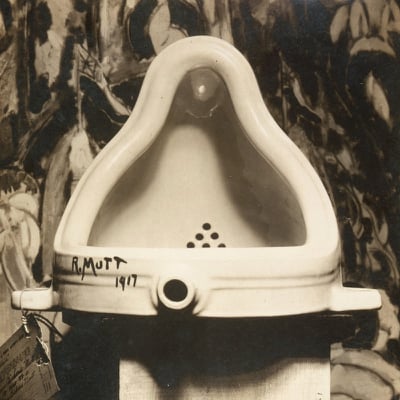
Artwork by Marcel Duchamp
What is Found Object?
A found object is a term used to describe a man-made or natural object, or a fragment of one, that an artist discovers or purchases and keeps for inspiration or as a work of art. The artist may also modify the object or incorporate it into a collage or assemblage, transforming it into a new piece of art.


