

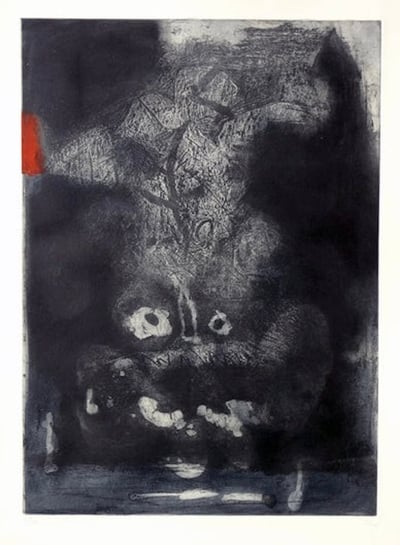
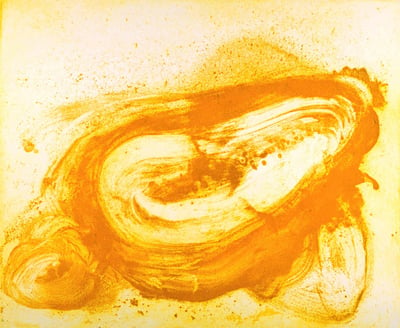
A Don Pablo I, 1985
Form
Medium
Size
- Inches
- Centimeters
Edition
Price
- USD
- EUR
- GBP
- CHF
- Authenticity Guaranteed
- Insured Shipping
- Online Since 2005
Antoni Clave
Guerrero, 1966
Limited Edition Print
Etching
EUR 1,000

Antoni Clave
Ocre, noir et bleu, 1968
Limited Edition Print
Etching
EUR 1,625

Antoni Clave
Untitled (Gants et signes)
Limited Edition Print
Etching
EUR 1,625

Antoni Clave
Deux gants, 1970
Limited Edition Print
Collage
EUR 2,350

Antoni Clave
15 A, 1970
Limited Edition Print
Collage
EUR 2,350

Antoni Clave
Instrument bande rouge, 1979
Limited Edition Print
Etching
EUR 1,625

Antoni Clave
En noir et jaune, 1969
Limited Edition Print
Mixed Media
EUR 950
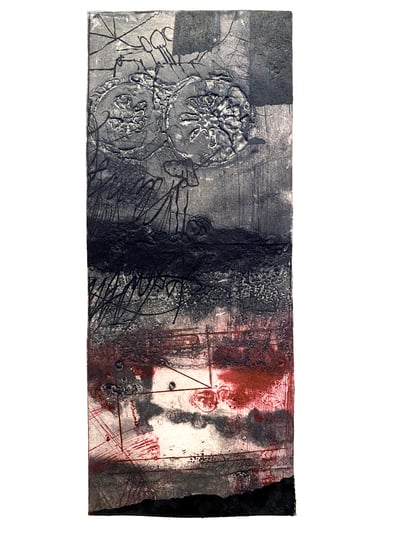
Antoni Clave
La Gloire Des Rols I, 1975
Limited Edition Print
Carborundum
EUR 1,250

Antoni Clave
A Don Pablo I, 1985
Limited Edition Print
Lithograph
EUR 1,880

Antoni Clave
Feuilles, 1968
Limited Edition Print
Etching
EUR 1,880

Antoni Clave
Trobadors I, 1970
Limited Edition Print
Lithograph
EUR 1,350

Antoni Clave
Estels I, 1989
Limited Edition Print
Etching
EUR 2,250
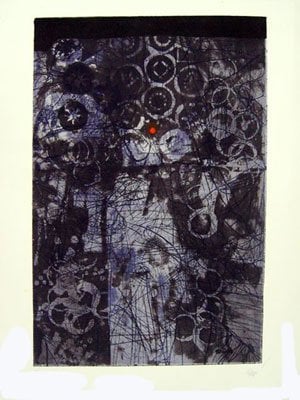
Antoni Clave
Etoiles et signes, 1968
Limited Edition Print
Etching and Aquatint
EUR 1,300

Antoni Clave
Hommage a domenikos- Cadre bleu, 1965
Limited Edition Print
Lithograph
EUR 1,250

Antoni Clave
Trobadors, 1970
Limited Edition Print
Lithograph
EUR 1,150

Antoni Clave
Feuilles I, 1975
Limited Edition Print
Mixed Media
EUR 1,250

Antoni Clave
Empreinte, 1967
Limited Edition Print
Aquatint
EUR 1,000
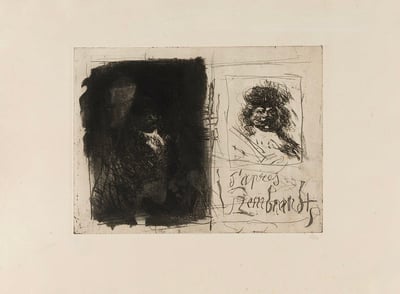
Antoni Clave
D'apres Rembrandt I-I, 1966
Limited Edition Print
Etching and Aquatint
EUR 1,150

Antoni Clave
Untitled (Textured Remnants), 1970
Limited Edition Print
Carborundum
EUR 1,130

Antoni Clave
Papier froissé, 1975
Limited Edition Print
Lithograph
EUR 950

Antoni Clave
Composition XIII, 1991
Limited Edition Print
Mixed Media
EUR 1,350

Antoni Clave
Trefles noirs, 1970
Limited Edition Print
Etching
EUR 3,125
Antoni Clave
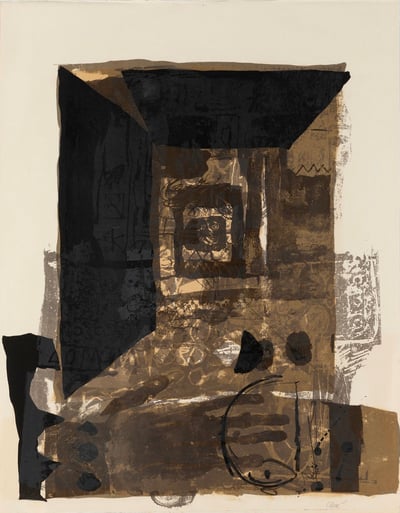
Homenaje al Greco. Cadre Noir, 1965
Limited Edition Print
Lithograph
EUR 950

Antoni Clave
Empreinte De Gant, 1978
Limited Edition Print
Engraving
EUR 1,350

Antoni Clave
Les Cordes Muettes, 1979
Limited Edition Print
Etching
EUR 1,300

Antoni Clave
Instrument étrange, 1990
Limited Edition Print
Etching
EUR 1,350

Antoni Clave
Quatre Points, 1973
Limited Edition Print
Etching
EUR 2,250
Antoni Clave
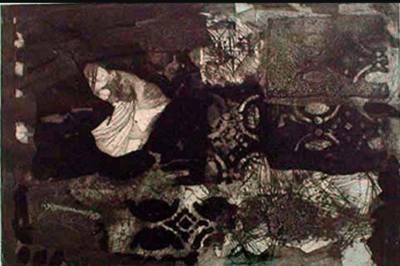
Pochoirs I, 1968
Limited Edition Print
Etching and Aquatint
EUR 1,150
Antoni Clave
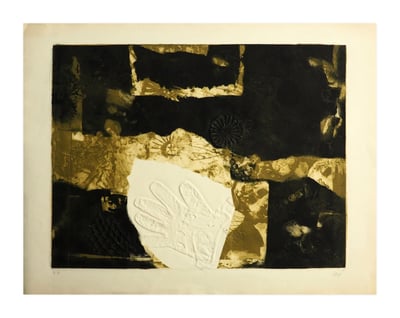
El guant, 1971
Limited Edition Print
Carborundum
Currently Not Available
Related Artists

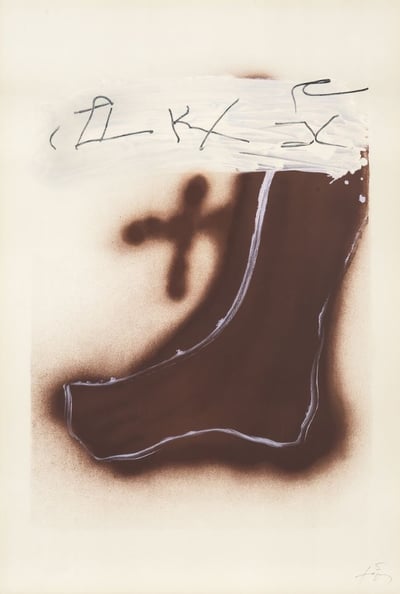

What is abstract art?
Abstract art uses form, shape, line, and color to create a visual experience without attempting to represent external reality. The composition exists independently of the world's visual references, focusing on expressing ideas and emotions through non-representational means.

Antoni Clave
A Don Pablo I, 1985
90 x 63 cm


