

Artwork Copyright © Arne Quinze
Arne Quinze (Belgium, 1971) is a contemporary artist renowned for his large-scale public installations that challenge urban monotony. His work, often constructed from wooden planks and vibrant materials, fosters social interaction and reflects his background as a graffiti artist. Notable projects include 'The Sequence' in Brussels and 'The Passenger' in Mons.
Artwork Copyright © Arne QuinzeThere is no chaos, only structure
Form
Medium
Size
- Inches
- Centimeters
Edition
Price
Available works →
- Authenticity Guaranteed
- Insured Shipping
- Online Since 2005
●
●Inventory 7717
●Hand Signed
●Comes with gallery invoice and certificate
●Sell Us a Similar Artwork. Learn more.
Artwork Copyright © Arne Quinze
Arne Quinze (Belgium, 1971) is a contemporary artist renowned for his large-scale public installations that challenge urban monotony. His work, often constructed from wooden planks and vibrant materials, fosters social interaction and reflects his background as a graffiti artist. Notable projects include 'The Sequence' in Brussels and 'The Passenger' in Mons.
Artwork Copyright © Arne Quinze- Recently Added
- Price (Low-High)
- Price (High-Low)
- Year (Low-High)
- Year (High-Low)

Arne Quinze
My home, my house, my stilt house, 2010
Limited Edition Print
Digital Print on paper
Currently Not Available
Related Artists
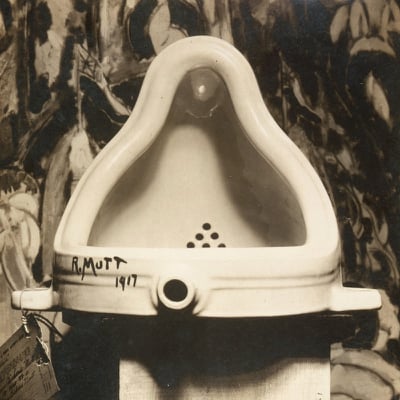
Artwork by Marcel Duchamp
What is Found Object?
A found object is a term used to describe a man-made or natural object, or a fragment of one, that an artist discovers or purchases and keeps for inspiration or as a work of art. The artist may also modify the object or incorporate it into a collage or assemblage, transforming it into a new piece of art.


