


Unsigned print from the edition of 100. With the Editions Alecto and Kelpra stamp verso.
- Offset lithograph on paper
Untitled (Moonstrips) by Eduardo Paolozzi, created in 1967, is an offset lithograph that forms part of Paolozzi’s celebrated Moonstrips series. This particular print, from a limited edition of 100, features two repeated images of a transparent glass cup, rendered in a bold, graphic style. Each cup is depicted with a central lightbulb-like form, overlaying the image of the cup and creating a visual play between object and pattern. Surrounding the images is a striking geometric border in red and black, enhancing the optical illusion effect of the piece. The background behind the cups is a blend of yellow, green, and red, adding texture and depth to the composition. Paolozzi's use of repetition, layered imagery, and vibrant color reflects his interest in pop art and mass production, while the mechanical aesthetic of the print aligns with his fascination with technology and the machine age. Although unsigned, the print bears the Editions Alecto and Kelpra stamp on the verso.
Artwork Copyright © Eduardo PaolozziEduardo Paolozzi (UK, 1924–2005) was a sculptor, printmaker, and pioneer of Pop Art. Renowned for his bold collages and monumental sculptures, he explored the intersection of technology, industry, and culture. Works like I was a Rich Man's Plaything and his public mosaics in London highlight his innovative approach to art.
Artwork Copyright © Eduardo PaolozziUntitled (Moonstrips), 1967
Form
Medium
Size
- Inches
- Centimeters
Edition
Price
- USD
- EUR
- GBP
- CHF
- Authenticity Guaranteed
- Insured Shipping
- Online Since 2005
●Inventory 13861
●Unsigned
●Comes with gallery invoice and certificate
●Sell Us a Similar Artwork. Learn more.
Unsigned print from the edition of 100. With the Editions Alecto and Kelpra stamp verso.
- Offset lithograph on paper
Untitled (Moonstrips) by Eduardo Paolozzi, created in 1967, is an offset lithograph that forms part of Paolozzi’s celebrated Moonstrips series. This particular print, from a limited edition of 100, features two repeated images of a transparent glass cup, rendered in a bold, graphic style. Each cup is depicted with a central lightbulb-like form, overlaying the image of the cup and creating a visual play between object and pattern. Surrounding the images is a striking geometric border in red and black, enhancing the optical illusion effect of the piece. The background behind the cups is a blend of yellow, green, and red, adding texture and depth to the composition. Paolozzi's use of repetition, layered imagery, and vibrant color reflects his interest in pop art and mass production, while the mechanical aesthetic of the print aligns with his fascination with technology and the machine age. Although unsigned, the print bears the Editions Alecto and Kelpra stamp on the verso.
Artwork Copyright © Eduardo PaolozziEduardo Paolozzi (UK, 1924–2005) was a sculptor, printmaker, and pioneer of Pop Art. Renowned for his bold collages and monumental sculptures, he explored the intersection of technology, industry, and culture. Works like I was a Rich Man's Plaything and his public mosaics in London highlight his innovative approach to art.
Artwork Copyright © Eduardo Paolozzi- Recently Added
- Price (Low-High)
- Price (High-Low)
- Year (Low-High)
- Year (High-Low)

Eduardo Paolozzi
Untitled 2 (Moonstrips), 1967
Limited Edition Print
Offset Print
GBP 2,050

Eduardo Paolozzi
Untitled (Moonstrips), 1967
Limited Edition Print
Offset Print
GBP 2,050

Eduardo Paolozzi
Untitled (Elephant and Real Estate), 1970
Limited Edition Print
Offset Print
GBP 2,750

Eduardo Paolozzi
Central Park East, 1972
Limited Edition Print
Lithograph
Currently Not Available
Related Artists

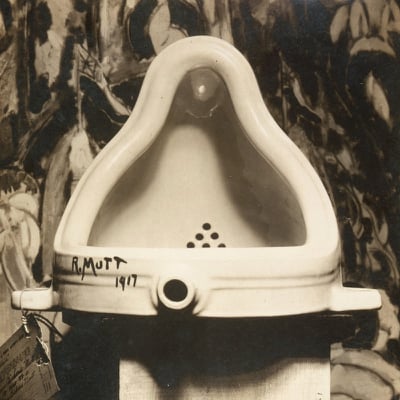
Artwork by Marcel Duchamp
What is Found Object?
A found object is a term used to describe a man-made or natural object, or a fragment of one, that an artist discovers or purchases and keeps for inspiration or as a work of art. The artist may also modify the object or incorporate it into a collage or assemblage, transforming it into a new piece of art.


Eduardo Paolozzi
Untitled (Moonstrips), 1967
38 x 25.4 cm


