
Edition of 150 - Colour lithograph - In excellent condition
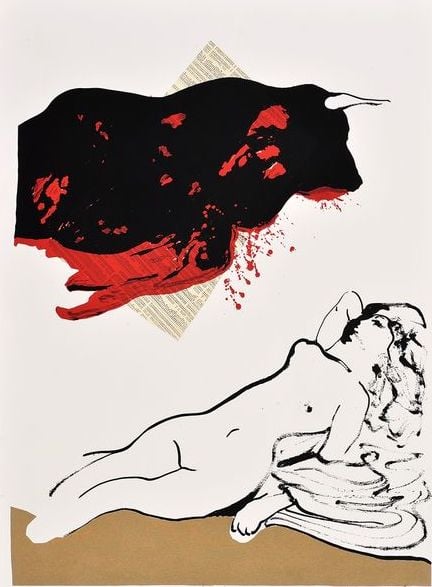
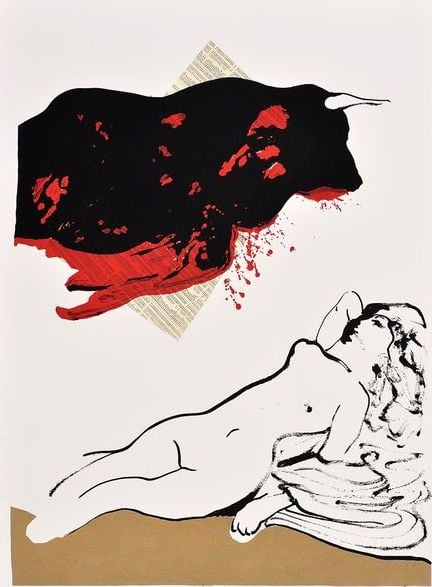
Europe and the Bull by Hugo Claus, created in 1992, is a color lithograph that reinterprets the classical myth of Europa and the bull. The composition combines abstract and figurative elements: a bold, black and red depiction of the bull dominates the upper part of the print, with splashes of red resembling blood or motion, adding a sense of intensity and drama. Below, a reclining nude figure, representing Europa, is outlined in a simple, expressive black line, contrasting with the vibrant, chaotic rendering of the bull. The background includes faint text elements, perhaps hinting at the myth’s narrative or adding a layer of literary context. Claus’s use of minimalistic line work and dynamic colors captures both the mythological and emotional complexity of the story. This piece, limited to an edition of 150, exemplifies Claus’s ability to blend mythology with modern artistic expression.
Artwork Copyright © Hugo ClausHugo Claus (Belgium, 1929–2008) was a prolific writer, poet, painter, and filmmaker, widely regarded as one of Belgium’s greatest literary figures. His novel The Sorrow of Belgium masterfully examines themes of war, identity, and memory. Claus's multifaceted career left an enduring legacy in European literature and the arts.
Artwork Copyright © Hugo ClausEurope and the bull, 1992
Form
Medium
Size
- Inches
- Centimeters
Edition
Price
Available works →
- Authenticity Guaranteed
- Insured Shipping
- Online Since 2005
●
●Inventory 8303
●Signed
●Comes with gallery invoice and certificate
●Sell Us a Similar Artwork. Learn more.
Edition of 150 - Colour lithograph - In excellent condition
Europe and the Bull by Hugo Claus, created in 1992, is a color lithograph that reinterprets the classical myth of Europa and the bull. The composition combines abstract and figurative elements: a bold, black and red depiction of the bull dominates the upper part of the print, with splashes of red resembling blood or motion, adding a sense of intensity and drama. Below, a reclining nude figure, representing Europa, is outlined in a simple, expressive black line, contrasting with the vibrant, chaotic rendering of the bull. The background includes faint text elements, perhaps hinting at the myth’s narrative or adding a layer of literary context. Claus’s use of minimalistic line work and dynamic colors captures both the mythological and emotional complexity of the story. This piece, limited to an edition of 150, exemplifies Claus’s ability to blend mythology with modern artistic expression.
Artwork Copyright © Hugo ClausHugo Claus (Belgium, 1929–2008) was a prolific writer, poet, painter, and filmmaker, widely regarded as one of Belgium’s greatest literary figures. His novel The Sorrow of Belgium masterfully examines themes of war, identity, and memory. Claus's multifaceted career left an enduring legacy in European literature and the arts.
Artwork Copyright © Hugo Claus- Recently Added
- Price (Low-High)
- Price (High-Low)
- Year (Low-High)
- Year (High-Low)

Hugo Claus
Europe and the bull, 1992
Limited Edition Print
Lithograph
Currently Not Available
Related Artists
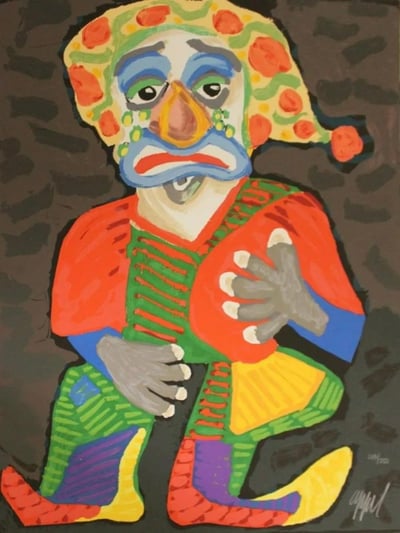
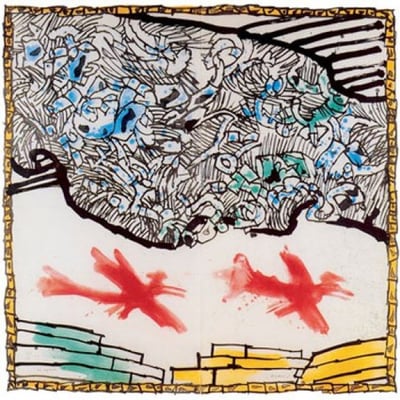

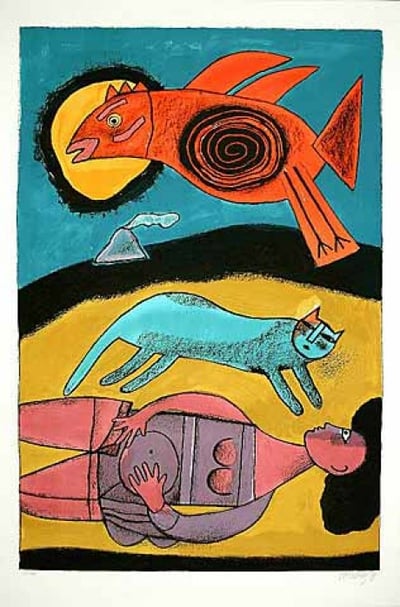

Artwork by Karel Appel
What is the CoBrA movement?
CoBrA stands for Copenhagen, Brussels, and Amsterdam; the group was formed with a desire to break away from the existing art movements of the time. Their critique of Western society led them to experiment and evolve into a significant international movement. CoBrA was founded on November 8, 1948, at the Notre Dame Café in Paris, where its manifesto was signed by Karel Appel, Joseph Noiret, Corneille, Christian Dotremont, Constant, and Asger Jorn. The group was united by a shared commitment to freedom in both form and color, and their work emphasized experimentation and spontaneity.
Hugo Claus
Europe and the bull, 1992
79.7 x 59.7 cm


