

// Untitled (B/W diptych) by Lorna Simpson, created in 1993, is a limited edition screen-print measuring 89 x 116 cm. This work, presented as a diptych, juxtaposes two black and white images that invite the viewer to engage in a narrative exploration. The left image displays the underside of a piece of furniture with protruding handles, while the right shows what appear to be feet or appendages against a dark backdrop. The work evokes a sense of ambiguity and introspection, characteristic of Simpson’s exploration of identity, memory, and the representation of black bodies in art. The caption below adds another layer, enhancing its enigmatic and poetic nature.
Artwork Copyright © Lorna SimpsonLorna Simpson (United States, 1960) is a contemporary artist renowned for her conceptual photography and multimedia works that explore themes of identity, race, and gender. Her innovative use of text and imagery challenges societal narratives, making her a pivotal figure in modern art.
Artwork Copyright © Lorna SimpsonUntitled (B/W diptych), 1993
Form
Medium
Size
- Inches
- Centimeters
Edition
Price
- USD
- EUR
- GBP
- CHF
- Authenticity Guaranteed
- Insured Shipping
- Online Since 2005
●Inventory 11753
●Signed
●Comes with gallery invoice and certificate
●Sell Us a Similar Artwork. Learn more.
// Untitled (B/W diptych) by Lorna Simpson, created in 1993, is a limited edition screen-print measuring 89 x 116 cm. This work, presented as a diptych, juxtaposes two black and white images that invite the viewer to engage in a narrative exploration. The left image displays the underside of a piece of furniture with protruding handles, while the right shows what appear to be feet or appendages against a dark backdrop. The work evokes a sense of ambiguity and introspection, characteristic of Simpson’s exploration of identity, memory, and the representation of black bodies in art. The caption below adds another layer, enhancing its enigmatic and poetic nature.
Artwork Copyright © Lorna SimpsonLorna Simpson (United States, 1960) is a contemporary artist renowned for her conceptual photography and multimedia works that explore themes of identity, race, and gender. Her innovative use of text and imagery challenges societal narratives, making her a pivotal figure in modern art.
Artwork Copyright © Lorna Simpson- Recently Added
- Price (Low-High)
- Price (High-Low)
- Year (Low-High)
- Year (High-Low)
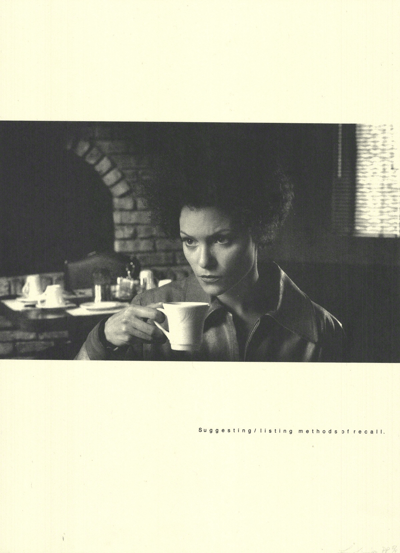
Lorna Simpson
Recall, 1998
Limited Edition Print
Silkscreen
USD 9,000 - 13,000

Lorna Simpson
Untitled (B/W diptych), 1993
Limited Edition Print
Screen-print
USD 13,000
Related Artists
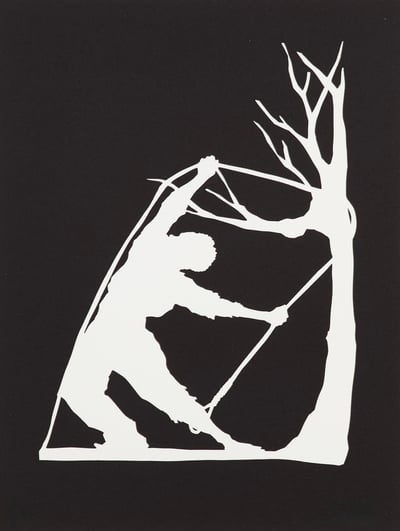

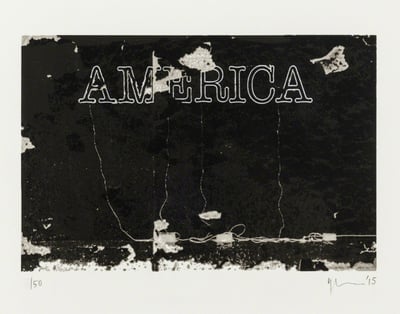


Artwork by Miles Aldridge
What is contemporary art?
Contemporary art refers to avant-garde or innovative art created in the recent past or present day. The exact starting point of contemporary art varies depending on the institution, often tied to the founding year of museums or galleries that showcase the style. Contemporary art is characterized by its focus on current ideas, diverse media, and the exploration of new concepts and techniques.

Lorna Simpson
Untitled (B/W diptych), 1993
89 x 116 cm


