

Untitled (Pattern of Faces), 1991
Form
Medium
Size
- Inches
- Centimeters
Edition
Price
- USD
- EUR
- GBP
- CHF
- Authenticity Guaranteed
- Insured Shipping
- Online Since 2005
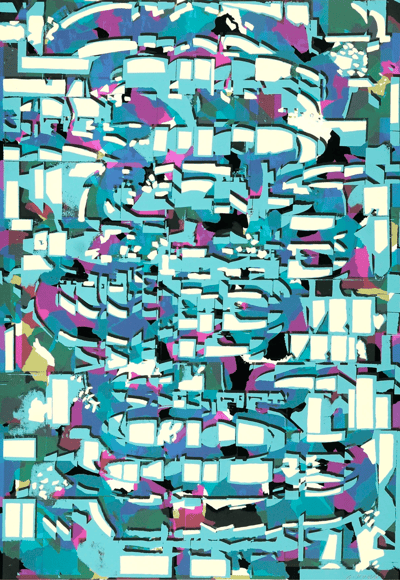
Luis Gordillo
Racional - Natural, 2008
Limited Edition Print
Screen-print
EUR 1,550
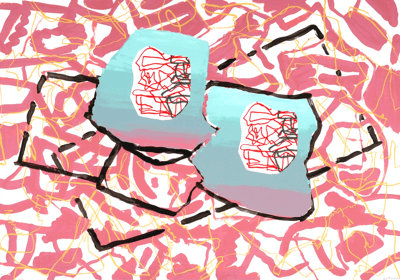
Luis Gordillo
Espejismo, 2008
Limited Edition Print
Screen-print
EUR 1,550
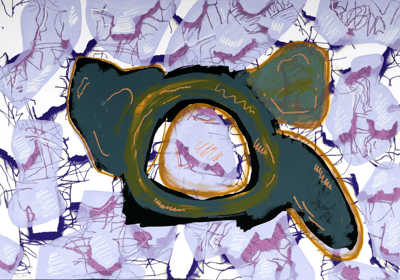
Luis Gordillo
Alma de flor B, 2008
Limited Edition Print
Screen-print
EUR 1,550
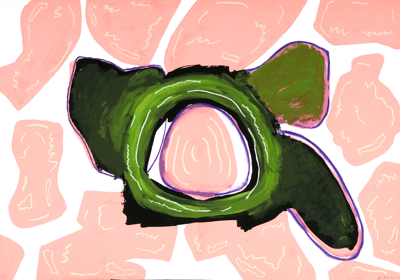
Luis Gordillo
Alma de flor A, 2008
Limited Edition Print
Screen-print
EUR 1,550
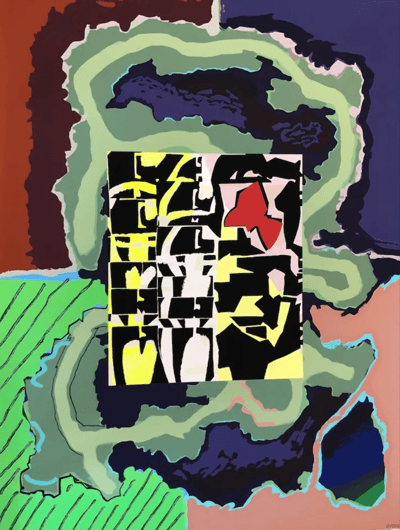
Luis Gordillo
Untitled (Chromatic Core), 2012
Limited Edition Print
Screen-print
EUR 7,200
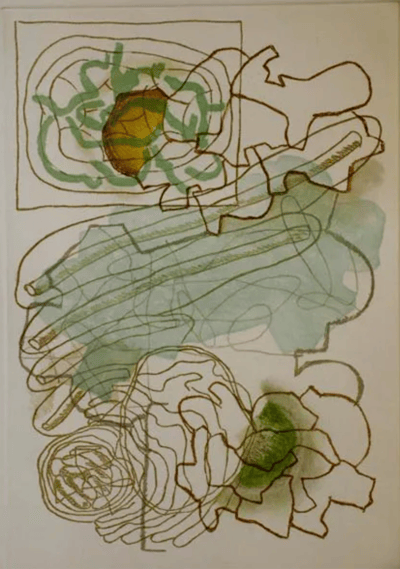
Luis Gordillo
Untitled (Neural Bloom), 1991
Limited Edition Print
Etching
EUR 800
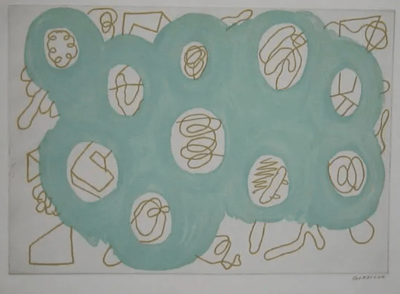
Luis Gordillo
Untitled (Veiled Scribbles), 1991
Limited Edition Print
Etching
EUR 800
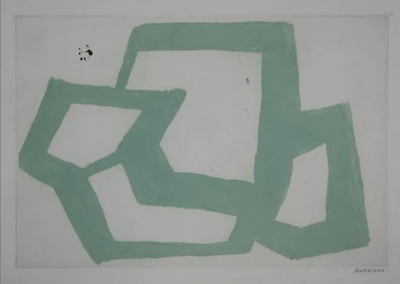
Luis Gordillo
Untitled (Linked Angles), 1991
Limited Edition Print
Etching
EUR 800
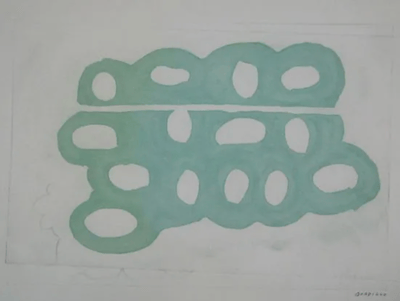
Luis Gordillo
Untitled (Divided Loop), 1991
Limited Edition Print
Etching
EUR 800
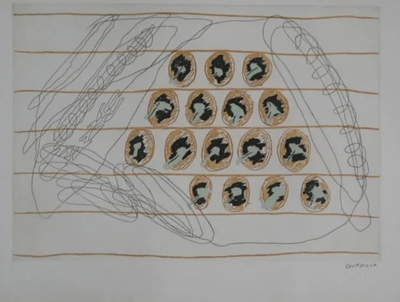
Luis Gordillo
Untitled (Profile Grid), 1991
Limited Edition Print
Etching
EUR 800
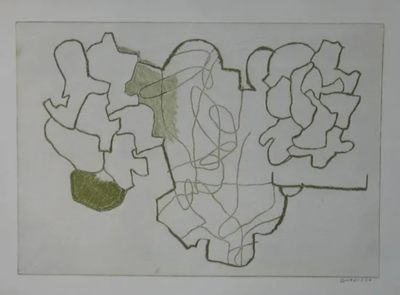
Luis Gordillo
Untitled (Contour Dialogue), 1991
Limited Edition Print
Etching
EUR 800
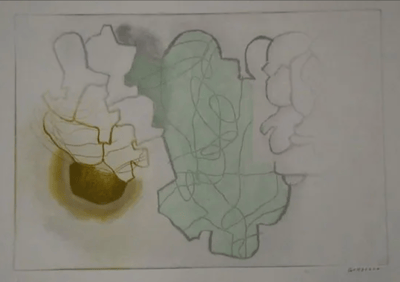
Luis Gordillo
Untitled (Soft Dissonance), 1991
Limited Edition Print
Etching
EUR 800
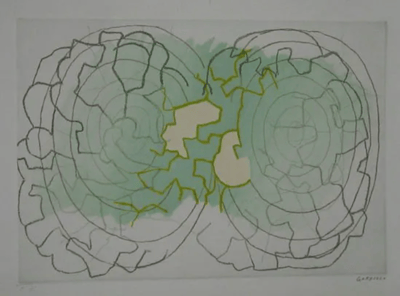
Luis Gordillo
Untitled (Symmetric Core), 1991
Limited Edition Print
Etching
EUR 800

Luis Gordillo
Untitled (Dual Structures), 1991
Limited Edition Print
Etching
EUR 1,050

Luis Gordillo
Untitled (Pattern of Faces), 1991
Limited Edition Print
Etching
EUR 1,050

Luis Gordillo
Untitled (Fragmented Memory), 1991
Limited Edition Print
Etching
EUR 1,050

Luis Gordillo
Untitled (Suspended Cells), 1991
Limited Edition Print
Etching
EUR 1,050

Luis Gordillo
Untitled (Organic Codes), 1991
Limited Edition Print
Etching
EUR 1,050

Luis Gordillo
Untitled (Fractured Echoes), 1991
Limited Edition Print
Etching
EUR 1,050

Luis Gordillo
S/T 2 , 2009
Limited Edition Print
Silkscreen
EUR 1,500

Luis Gordillo
S/T 1, 2009
Limited Edition Print
Silkscreen
EUR 1,500

Luis Gordillo
Charles Darwin Evolucionado 2, 2009
Limited Edition Print
Silkscreen
Currently Not Available
Related Artists


What is Naive Art?
Naïve art describes a style of artwork that is simple and unsophisticated, often created by artists without formal training in an academy or art school. The style is characterized by a lack of advanced techniques, giving it a childlike appearance. Naïve art often features bright colors, simple shapes, and a straightforward approach to subject matter, reflecting the artist's untrained perspective.

Luis Gordillo
Untitled (Pattern of Faces), 1991
76 x 56 cm


