

// Antoni Tàpies' Llambrec-10, a limited edition lithograph from 1975, reveals the artist’s fascination with expressive gestures and symbolic abstraction. The composition features bold, black brushstrokes combined with a textured, linear pattern that cascades downward, creating a contrast between fluidity and structure. The form at the top resembles a calligraphic stroke or a mysterious symbol, marked by a cross-like overlay, adding layers of meaning and ambiguity. Tàpies’ work often conveys a sense of introspection and mystery, inviting viewers to explore the spiritual and philosophical depths within the abstract. Llambrec-10 exemplifies his ability to convey emotion and contemplation through minimalistic yet powerful visual language.
Artwork Copyright © Marisol EscobarMarisol Escobar (France/Venezuela, 1930–2016) was a sculptor blending Pop Art with pre-Columbian influences. Known simply as Marisol, her witty, life-sized assemblages used wood, plaster, and everyday objects to explore identity, femininity, and social commentary.
Artwork Copyright © Marisol EscobarSaca la lengua, 1973
Form
Medium
Size
- Inches
- Centimeters
Edition
Price
- USD
- EUR
- GBP
- CHF
- Authenticity Guaranteed
- Insured Shipping
- Online Since 2005
●Inventory 2900
●Signed
●Comes with gallery invoice and certificate
●Any questions?
// Antoni Tàpies' Llambrec-10, a limited edition lithograph from 1975, reveals the artist’s fascination with expressive gestures and symbolic abstraction. The composition features bold, black brushstrokes combined with a textured, linear pattern that cascades downward, creating a contrast between fluidity and structure. The form at the top resembles a calligraphic stroke or a mysterious symbol, marked by a cross-like overlay, adding layers of meaning and ambiguity. Tàpies’ work often conveys a sense of introspection and mystery, inviting viewers to explore the spiritual and philosophical depths within the abstract. Llambrec-10 exemplifies his ability to convey emotion and contemplation through minimalistic yet powerful visual language.
Artwork Copyright © Marisol EscobarMarisol Escobar (France/Venezuela, 1930–2016) was a sculptor blending Pop Art with pre-Columbian influences. Known simply as Marisol, her witty, life-sized assemblages used wood, plaster, and everyday objects to explore identity, femininity, and social commentary.
Artwork Copyright © Marisol Escobar- Recently Added
- Price (Low-High)
- Price (High-Low)
- Year (Low-High)
- Year (High-Low)
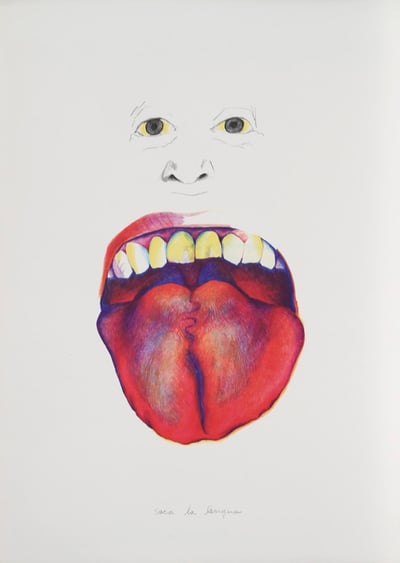
Marisol Escobar
Saca la lengua, 1973
Limited Edition Print
Silkscreen
EUR 1,700
Related Artists



Artwork by Jim Dine
What is Neo-Dada?
Neo-Dada is a minor visual and audio art movement with intents similar to those of Dada artwork. While it revives some of Dada's objectives, Neo-Dada emphasizes the importance of the produced artwork rather than the concept behind it. The movement is considered the foundation of Pop Art, Nouveau Réalisme, and Fluxus. Neo-Dada is known for its use of absurdist contrasts, popular imagery, and modern materials, blending high and low culture in a way that challenges traditional artistic conventions.


Marisol Escobar
Saca la lengua, 1973
104 x 74 cm


