

Night Fishing, 1995
Form
Medium
Size
- Inches
- Centimeters
Edition
Price
- Authenticity Guaranteed
- Insured Shipping
- Online Since 2005
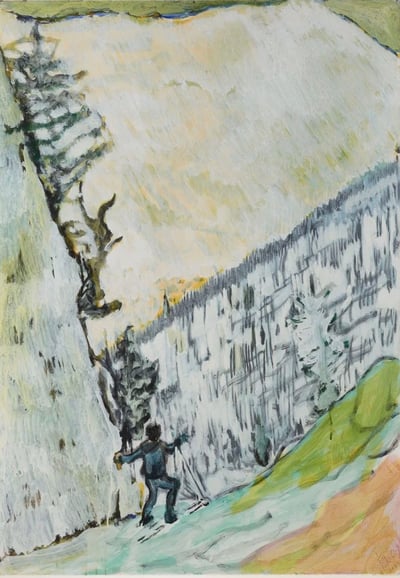
Peter Doig
D1-2 Couloir 2 (from Zermatt), 2022
Limited Edition Print
Giclée printing
GBP 7,500 - 9,700
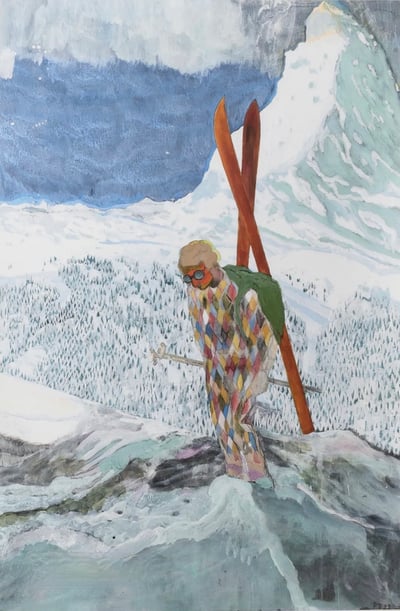
Peter Doig
D2-1B Alpinist, 2023
Limited Edition Print
Giclée printing
GBP 9,500 - 12,300
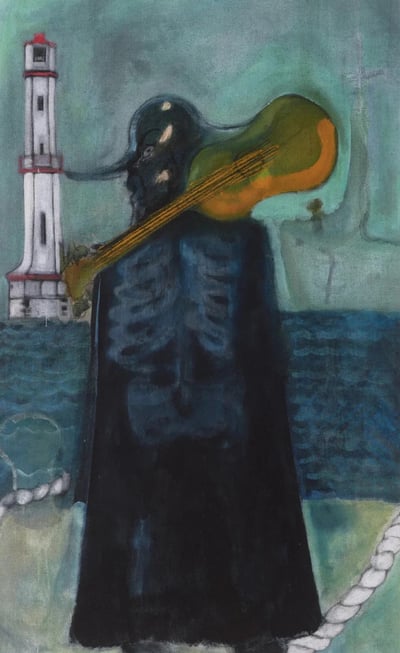
Peter Doig
Shadow, 2026
Limited Edition Print
Giclée printing
GBP 5,500 - 7,000
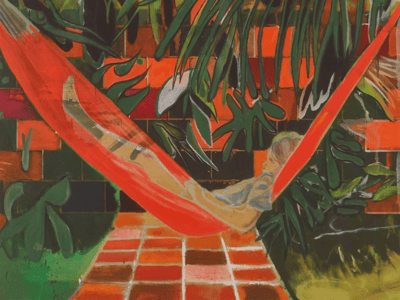
Peter Doig
D2-3 Alice at Boscoe's, 2023
Limited Edition Print
Giclée printing
GBP 9,000 - 12,000

Peter Doig
Fisherman, 2013
Limited Edition Print
Pigment print
EUR 7,000 - 10,000

Peter Doig
D1-4 Road to Zermatt (from Zermatt), 2022
Limited Edition Print
Giclée printing
GBP 8,400
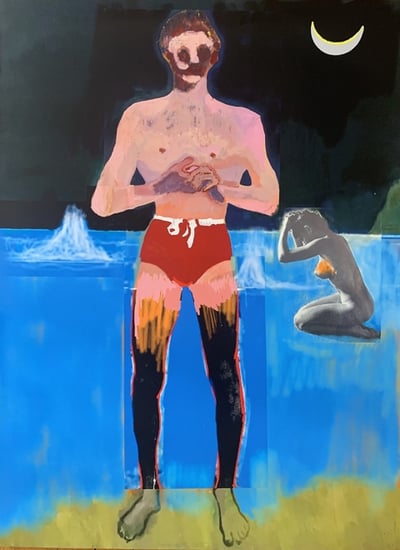
Peter Doig
Bather for Secession, 2020
Limited Edition Print
Digital Print on paper
GBP 3,540

Peter Doig
Black Palm, 2004
Limited Edition Print
Etching
EUR 3,000
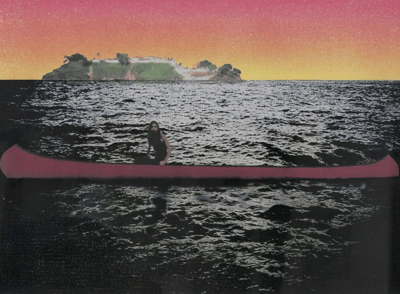
Peter Doig
Canoe island, 2000
Limited Edition Print
Silkscreen
EUR 12,250

Peter Doig
Ten To One Is Murder, 2019
Limited Edition Print
Pigment print
GBP 6,000 - 8,000

Peter Doig
Music (2 Trees), 2023
Limited Edition Print
Giclée printing
USD 7,500
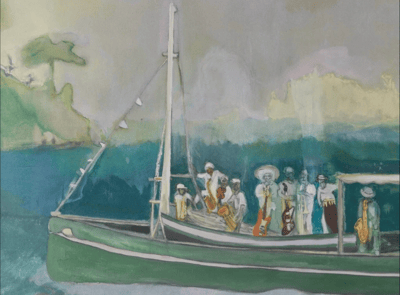
Peter Doig
House of Music (Soca Boat), 2023
Limited Edition Print
Giclée printing
USD 7,500
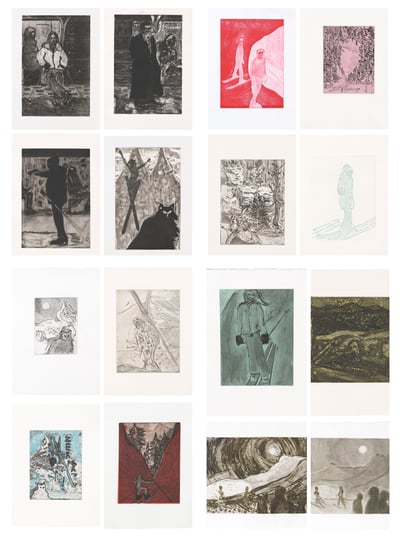
Peter Doig
Alpine Etchings (Set), 2021
Limited Edition Print
Etching and Aquatint
Inquire For Price
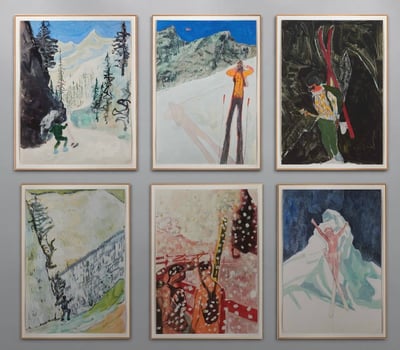
Peter Doig
Zermatt (Set of 6), 2022
Limited Edition Print
Giclée printing
Inquire For Price

Peter Doig
Untitled (Canoe), 2008
Limited Edition Print
Etching
EUR 2,000

Peter Doig
Boathouse, 2004
Limited Edition Print
Etching and Aquatint
EUR 3,000
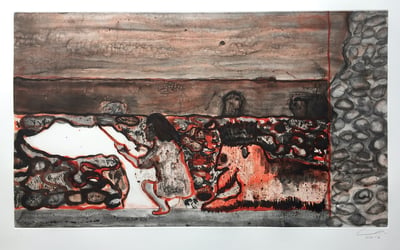
Peter Doig
Painting a Cloud on a Wall, 2016
Limited Edition Print
Etching
EUR 10,000
Available works by Peter Doig
See all →Peter Doig
D1-2 Couloir 2 (from Zermatt), 2022
Limited Edition Print
Giclée printing
GBP 7,500 - 9,700
Peter Doig
D2-1B Alpinist, 2023
Limited Edition Print
Giclée printing
GBP 9,500 - 12,300
Peter Doig
Shadow, 2026
Limited Edition Print
Giclée printing
GBP 5,500 - 7,000
Peter Doig
D2-3 Alice at Boscoe's, 2023
Limited Edition Print
Giclée printing
GBP 9,000 - 12,000
Peter Doig
Fisherman, 2013
Limited Edition Print
Pigment print
EUR 7,000 - 10,000
Peter Doig
D1-4 Road to Zermatt (from Zermatt), 2022
Limited Edition Print
Giclée printing
GBP 8,400
Related Artists

What is figurative art?
Sometimes known as Figurativism, figurative art refers to sculptures and paintings that are clearly or specifically derived from real objects, making them representational. The term figurative art is often used in contrast to abstract art. However, since the emergence of abstract art, figurative art has come to describe any form of modern art that has strong references to the real world or actual situations.


