

Provenance: provenance: Xavier Hufkens, Brussels -Private Collection
Artwork Copyright © Roni HornRoni Horn (United States, 1955) is an American visual artist and writer whose multidisciplinary work explores themes of identity, perception, and the natural environment. Utilizing mediums such as sculpture, photography, and drawing, Horn often engages with the Icelandic landscape, creating pieces that challenge viewers' understanding of place and self.
Artwork Copyright © Roni HornThe brain, 1994
Form
Medium
Size
- Inches
- Centimeters
Price
Available works →
- Authenticity Guaranteed
- Insured Shipping
- Online Since 2005
●
●Inventory 1378
●Signed
●Comes with gallery invoice and certificate
●Sell Us a Similar Artwork. Learn more.
Provenance: provenance: Xavier Hufkens, Brussels -Private Collection
Artwork Copyright © Roni HornRoni Horn (United States, 1955) is an American visual artist and writer whose multidisciplinary work explores themes of identity, perception, and the natural environment. Utilizing mediums such as sculpture, photography, and drawing, Horn often engages with the Icelandic landscape, creating pieces that challenge viewers' understanding of place and self.
Artwork Copyright © Roni Horn- Recently Added
- Price (Low-High)
- Price (High-Low)
- Year (Low-High)
- Year (High-Low)
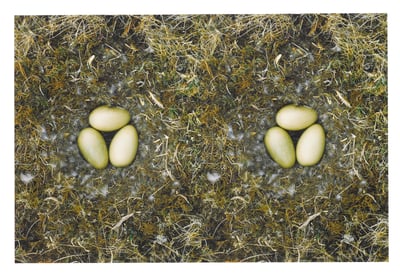
Roni Horn
To Nest, Number 5, 1997 / 2001
Limited Edition Print
Mixed Media
Currently Not Available
Related Artists


Artwork by Christo
What is site specific art?
Site-Specific Art is a form of artwork created to exist in a particular location, with the artist considering the site as an integral part of the creative process. Robert Irwin was a key figure in promoting this art form in California. Site-Specific Art emerged as a reaction against modernist objects, which were often portable, commodified, and confined to museum spaces. In contrast, Site-Specific Art is inherently tied to its location, challenging the traditional notions of art as a transportable and marketable commodity.


