


Portfolio of 6 lithographs
Joke & Definition by Stefan Brüggemann is a portfolio of six lithographs created in 2011. Each print in this limited edition explores the intersection of humor, language, and philosophy, presenting text blocks with definitions and statements layered in varied colors. The artwork’s stark typographic layout contrasts with the soft color palette, each piece occupying a distinct color field—ranging from muted tones like olive and brown to vibrant blue and purple. Brüggemann’s use of language examines how words shape perception and meaning, pushing the viewer to engage intellectually with the artwork. His minimalist approach enhances the conceptual depth, drawing on both the textual and visual to question and redefine the mundane.
Artwork Copyright © Stefan BrüggemannStefan Brüggemann (Mexico, 1975) is a contemporary conceptual artist recognized for his text-based works and minimalist aesthetics. His multidisciplinary practice spans painting, sculpture, and neon installations, often critiquing consumer culture and mass media. Brüggemann’s works, combining stark visuals with thought-provoking messages, are internationally exhibited in prestigious museums and galleries.
Artwork Copyright © Stefan BrüggemannJoke & Definition (portfolio of 6), 2011
Form
Medium
Size
- Inches
- Centimeters
Edition
Price
- USD
- EUR
- GBP
- CHF
- Authenticity Guaranteed
- Insured Shipping
- Online Since 2005
●Inventory 8131
●Signed
●Comes with gallery invoice and certificate
●Any questions?
Portfolio of 6 lithographs
Joke & Definition by Stefan Brüggemann is a portfolio of six lithographs created in 2011. Each print in this limited edition explores the intersection of humor, language, and philosophy, presenting text blocks with definitions and statements layered in varied colors. The artwork’s stark typographic layout contrasts with the soft color palette, each piece occupying a distinct color field—ranging from muted tones like olive and brown to vibrant blue and purple. Brüggemann’s use of language examines how words shape perception and meaning, pushing the viewer to engage intellectually with the artwork. His minimalist approach enhances the conceptual depth, drawing on both the textual and visual to question and redefine the mundane.
Artwork Copyright © Stefan BrüggemannStefan Brüggemann (Mexico, 1975) is a contemporary conceptual artist recognized for his text-based works and minimalist aesthetics. His multidisciplinary practice spans painting, sculpture, and neon installations, often critiquing consumer culture and mass media. Brüggemann’s works, combining stark visuals with thought-provoking messages, are internationally exhibited in prestigious museums and galleries.
Artwork Copyright © Stefan Brüggemann- Recently Added
- Price (Low-High)
- Price (High-Low)
- Year (Low-High)
- Year (High-Low)
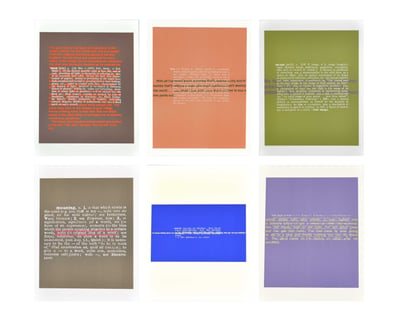
Stefan Brüggemann
Joke & Definition (portfolio of 6), 2011
Limited Edition Print
Lithograph
EUR 2,000
Related Artists

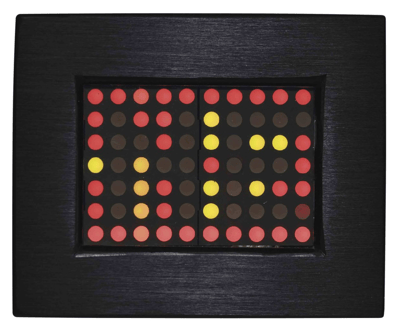


Artwork by Carlos Cruz-Diez
What is Latin American art?
Latin American Art is a style which takes inspiration from its culture, society, politics, native traditions, religions and landscape. Op-Art and Kinetic Art figure prominently in Latin artworks. Colors in Latin American compositions are often bold. Latin American artists work in all media and movements.



