

Stoneware and Glaze - signed by the artist - year: ca 2001
South Side Wall Sculpture by Theaster Gates is a ceramic work crafted from stoneware and glaze, estimated to be from around 2001. This piece exudes a raw, earthy texture that reflects Gates’ deep connection to materiality and the cultural history of urban landscapes. The sculpture's surface features rough, organic patterns and subtle tonal shifts, with a distinctive arc that divides areas of warm terracotta and muted gray. Gates, known for his work with salvaged and reclaimed materials, often explores themes of community, memory, and transformation. This piece, with its industrial yet intimate feel, embodies a dialogue between urban decay and resilience, making it a powerful symbol of renewal and preservation.
Artwork Copyright © Theaster GatesTheaster Gates (United States, 1973) is an American artist and urban planner whose interdisciplinary practice encompasses sculpture, performance, and social engagement. He is renowned for revitalizing neglected urban spaces, notably through the Dorchester Projects in Chicago, transforming them into cultural hubs that explore African American history and community.
Artwork Copyright © Theaster GatesSouth Side Wall Sculpture
Form
Medium
Size
- Inches
- Centimeters
Price
Available works →
- Authenticity Guaranteed
- Insured Shipping
- Online Since 2005
●
●Inventory 4010
●Signed
●Comes with gallery invoice and certificate
●Sell Us a Similar Artwork. Learn more.
Stoneware and Glaze - signed by the artist - year: ca 2001
South Side Wall Sculpture by Theaster Gates is a ceramic work crafted from stoneware and glaze, estimated to be from around 2001. This piece exudes a raw, earthy texture that reflects Gates’ deep connection to materiality and the cultural history of urban landscapes. The sculpture's surface features rough, organic patterns and subtle tonal shifts, with a distinctive arc that divides areas of warm terracotta and muted gray. Gates, known for his work with salvaged and reclaimed materials, often explores themes of community, memory, and transformation. This piece, with its industrial yet intimate feel, embodies a dialogue between urban decay and resilience, making it a powerful symbol of renewal and preservation.
Artwork Copyright © Theaster GatesTheaster Gates (United States, 1973) is an American artist and urban planner whose interdisciplinary practice encompasses sculpture, performance, and social engagement. He is renowned for revitalizing neglected urban spaces, notably through the Dorchester Projects in Chicago, transforming them into cultural hubs that explore African American history and community.
Artwork Copyright © Theaster Gates- Recently Added
- Price (Low-High)
- Price (High-Low)
- Year (Low-High)
- Year (High-Low)
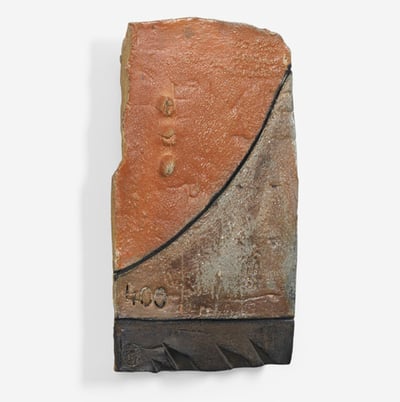
Theaster Gates
South Side Wall Sculpture
Ceramics
Ceramic
Currently Not Available
Related Artists



Artwork by Wang Guangyi
What is activist art?
Activist Art is a form of art created to address social and political issues. It often involves public engagement and works closely with communities to raise awareness or inspire change. While it can include elements of performance art, it is not limited to this form. Examples include creating and distributing social protest posters or organizing community-based art projects that highlight specific causes.


Theaster Gates
South Side Wall Sculpture
38 x 23 x 5 cm


