


Maple plywood, rubber flex-mounts, stainless steel screw.
From an unknown edition.
Signature on a sticker label.
Shop Chair by Tom Sachs, created in 2018, is a sculptural yet functional work made from maple plywood, rubber flex-mounts, and stainless steel screws, measuring 85.1 × 47 cm. True to Sachs’s hands-on, bricolage aesthetic, the chair combines precise craftsmanship with a raw, utilitarian sensibility. The circular cut-outs across the backrest, sides, and legs not only reduce weight but also add a graphic, industrial rhythm. The piece reflects Sachs’s interest in DIY culture, engineering, and the aesthetics of space-age design, echoing his ongoing dialogue with form, function, and the legacy of American ingenuity. From an unknown edition.
Artwork Copyright © Tom SachsTom Sachs (USA, 1966) is a contemporary artist renowned for his 'bricolage' sculptures that reimagine modern icons using everyday materials. His notable works include recreations of NASA spacecraft and collaborations with Nike. Sachs' art has been exhibited globally, with pieces in major institutions like the Museum of Modern Art and the Guggenheim Museum in New York.
Artwork Copyright © Tom SachsShop Chair, 2018
Form
Medium
Size
- Inches
- Centimeters
Edition
Price
- Authenticity Guaranteed
- Insured Shipping
- Online Since 2005
●Inventory 16268
●Signed on a label
●Comes with gallery invoice and certificate
●Sell Us a Similar Artwork. Learn more.
Maple plywood, rubber flex-mounts, stainless steel screw.
From an unknown edition.
Signature on a sticker label.
Shop Chair by Tom Sachs, created in 2018, is a sculptural yet functional work made from maple plywood, rubber flex-mounts, and stainless steel screws, measuring 85.1 × 47 cm. True to Sachs’s hands-on, bricolage aesthetic, the chair combines precise craftsmanship with a raw, utilitarian sensibility. The circular cut-outs across the backrest, sides, and legs not only reduce weight but also add a graphic, industrial rhythm. The piece reflects Sachs’s interest in DIY culture, engineering, and the aesthetics of space-age design, echoing his ongoing dialogue with form, function, and the legacy of American ingenuity. From an unknown edition.
Artwork Copyright © Tom SachsTom Sachs (USA, 1966) is a contemporary artist renowned for his 'bricolage' sculptures that reimagine modern icons using everyday materials. His notable works include recreations of NASA spacecraft and collaborations with Nike. Sachs' art has been exhibited globally, with pieces in major institutions like the Museum of Modern Art and the Guggenheim Museum in New York.
Artwork Copyright © Tom Sachs- Recently Added
- Price (Low-High)
- Price (High-Low)
- Year (Low-High)
- Year (High-Low)

Tom Sachs
Shop Chair, 2018
Sculpture / Object
Mixed Media
GBP 9,500 - 12,000
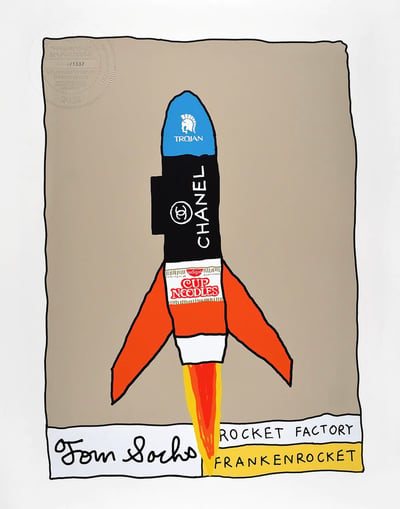
Tom Sachs
Too darn hot, 2022
Limited Edition Print
Screen-print
EUR 2,300
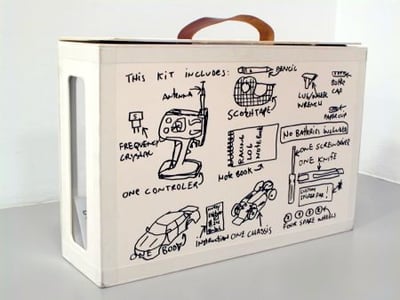
Tom Sachs
Deluxe Racing Set, 2003
Sculpture / Object
Mixed Media
Currently Not Available
Related Artists


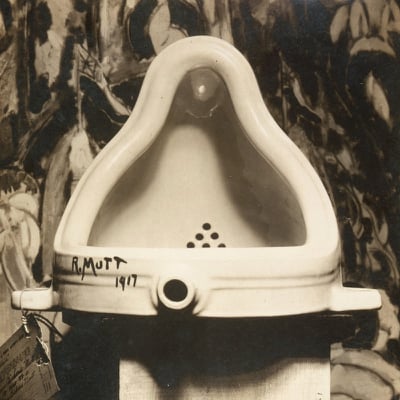
Artwork by Marcel Duchamp
What is Found Object?
A found object is a term used to describe a man-made or natural object, or a fragment of one, that an artist discovers or purchases and keeps for inspiration or as a work of art. The artist may also modify the object or incorporate it into a collage or assemblage, transforming it into a new piece of art.



