


// Wim Delvoye's Cloaca (2002) is a provocative mixed media sculpture exploring the intersection of art, science, and consumerism. Encased in a clear, rectangular acrylic box, the sculpture contains a preserved, realistic-looking organic form that mimics human waste, challenging societal taboos around bodily functions. The artist’s signature branding, similar to product labels, is visible on the case, ironically juxtaposing corporate marketing with human biology. Delvoye’s work critiques the commodification of the human body and consumer culture, pushing viewers to confront their discomfort and question the boundaries between art and the grotesque.
Artwork Copyright © Wim DelvoyeWim Delvoye (Belgium, 1965) is a provocative contemporary artist known for blending craftsmanship with conceptual art. His works, including Cloaca (a machine replicating the human digestive system) and intricately carved tires, challenge traditional notions of beauty, utility, and art. Delvoye’s playful, thought-provoking creations have gained global acclaim.
Artwork Copyright © Wim DelvoyeCloaca, 2002
Form
Medium
Size
- Inches
- Centimeters
Edition
Price
- Authenticity Guaranteed
- Insured Shipping
- Online Since 2005
●Inventory 9698
●Hand Signed
●Comes with gallery invoice and certificate
●Sell Us a Similar Artwork. Learn more.
// Wim Delvoye's Cloaca (2002) is a provocative mixed media sculpture exploring the intersection of art, science, and consumerism. Encased in a clear, rectangular acrylic box, the sculpture contains a preserved, realistic-looking organic form that mimics human waste, challenging societal taboos around bodily functions. The artist’s signature branding, similar to product labels, is visible on the case, ironically juxtaposing corporate marketing with human biology. Delvoye’s work critiques the commodification of the human body and consumer culture, pushing viewers to confront their discomfort and question the boundaries between art and the grotesque.
Artwork Copyright © Wim DelvoyeWim Delvoye (Belgium, 1965) is a provocative contemporary artist known for blending craftsmanship with conceptual art. His works, including Cloaca (a machine replicating the human digestive system) and intricately carved tires, challenge traditional notions of beauty, utility, and art. Delvoye’s playful, thought-provoking creations have gained global acclaim.
Artwork Copyright © Wim Delvoye- Recently Added
- Price (Low-High)
- Price (High-Low)
- Year (Low-High)
- Year (High-Low)
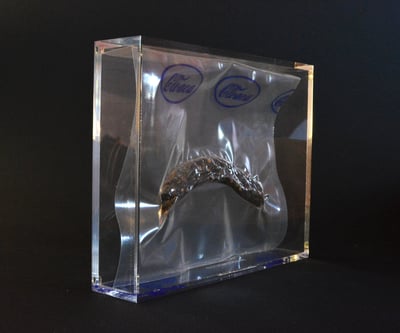
Wim Delvoye
Cloaca, 2002
Sculpture / Object
Mixed Media
Make Your Offer

Wim Delvoye
Cloaca x rayed B/W, 2003
Photography
C-Print
EUR 14,500
Related Artists



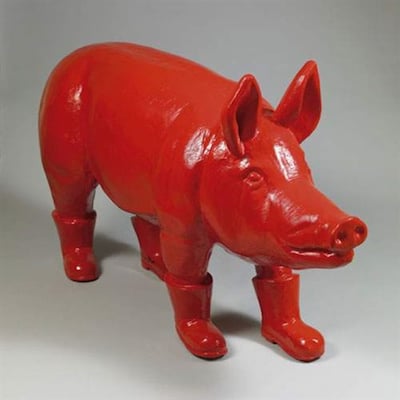
Artwork by William Sweetlove
What is Kitsch?
Kitsch is a term used to describe cheap, commercial, sentimental, or vulgar art and objects commonly associated with popular culture. The word is borrowed from German, where it originally means trash. Since the 1920s, kitsch has been used to denote the opposite of high art, often implying that the work lacks sophistication or artistic merit.



