

Anselm Kiefer
Anselm Kiefer (Germany, 1945) is a prominent contemporary artist known for his monumental paintings, sculptures, and installations. His works, often incorporating raw materials like lead, ash, and earth, explore themes of history, mythology, and memory. Kiefer’s art confronts Germany’s past and reflects on universal human struggles, making him a key figure in postwar art.
© Anselm Kiefer. All rights reserved.
- Recently Added
- Price (Low-High)
- Price (High-Low)
- Year (Low-High)
- Year (High-Low)

Anselm Kiefer
Die Argonauten, 2014
Sculpture / Object
Mixed Media
Currently Not Available
No sold works to show.
I believe art has to take responsibility but it should not give up being art.
- Anselm Kiefer
- Anselm Kiefer
Drawing largely on his native Germany’s post-war identity, mythology and history, Anselm Kiefer worked as a sculptor, painter and installation artist – having grown up around the fallout of the second world war, amidst bombed buildings and shattered family ideals, Kiefer has commented that ‘ruins, for me, are the beginning...with the debris, you can construct new ideas’. Margarete is perhaps one of Kiefer’s most recognisable paintings – comprised of oil and straw on canvas, the painting is inspired by a fictional character created by Romanian poet and Holocaust survivor, Paul Celan – Margarete was an Aryan woman with blonde hair, and the straw used in the piece is a representation of this. Unflinching and raw, Kiefer’s work seeks to process and analyse past events; such an approach has led to him being linked with the Neo-Expressionist movement – further emphasised by his use of such materials as ash, clay, lead and shellac.
Related Artists

Related Articles
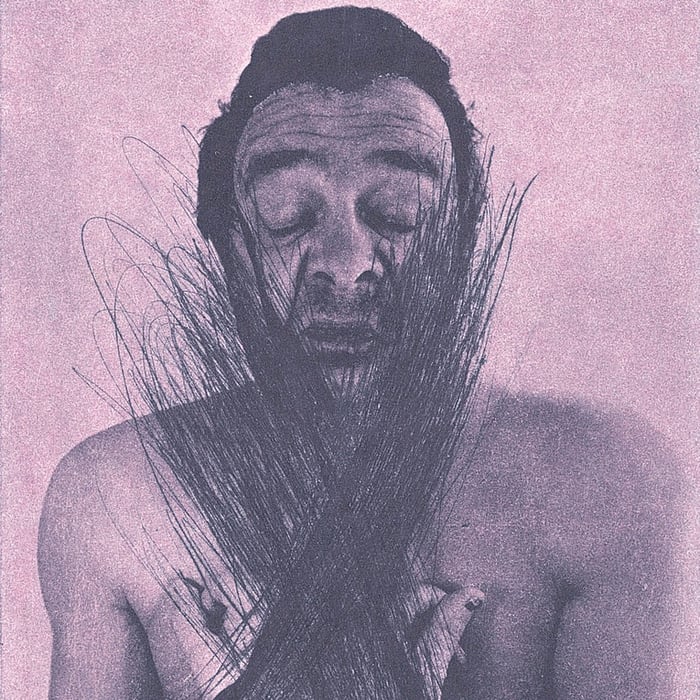
Artists - December 26, 2024
Uncharted Expressions: The Resonant Imagery of Arnulf Rainer
Explore Arnulf Rainer’s transformative art, blending abstraction with visceral portraiture. Discover layered works that challenge beauty and redefine identity.Read More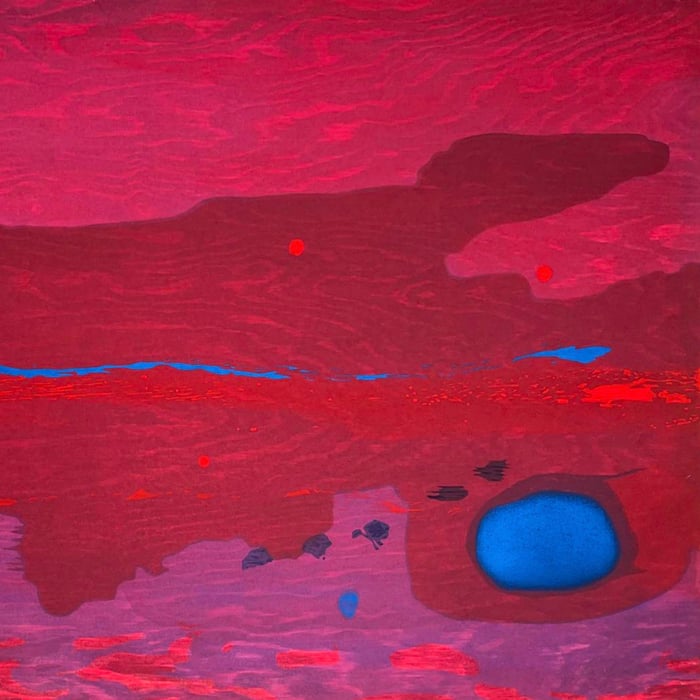

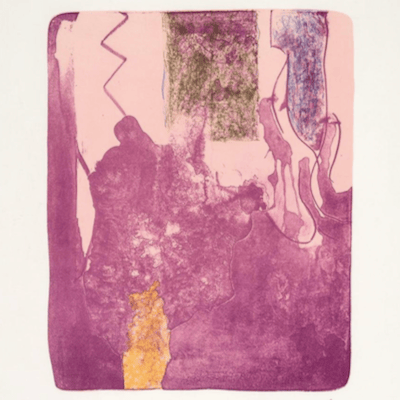 Artwork by Helen Frankenthaler
What is abstract expressionism?
Abstract Expressionism is an art movement that emerged in the United States during the 1940s and 1950s. Characterized by large, abstract canvases, the movement emphasized spontaneous, expressive brushwork and the use of color and form to convey emotion rather than represent reality. Artists like Jackson Pollock, Mark Rothko, and Willem de Kooning are key fig…
Explore »

