

Iain Baxter
Iain Baxter& (Canada, 1936) is a pioneering conceptual artist known for his innovative use of photography, installation, and sculpture. Co-founder of the N.E. Thing Co., he challenged traditional art boundaries by integrating corporate structures into his practice. In 2005, he legally added an ampersand to his name, symbolizing ongoing collaboration and the interconnectedness of art and life.
© Iain Baxter. All rights reserved.
- Recently Added
- Price (Low-High)
- Price (High-Low)
- Year (Low-High)
- Year (High-Low)

Iain Baxter
Animal Preserve: The 3 Kingdoms, 2008
Sculpture / Object
Mixed Media
EUR 2,000
No sold works to show.
I feel I am the new Hudson River School traditionalist, using water, air, sky, land, clouds, and boats.
- Iain Baxter
- Iain Baxter
Iain Baxter (b. 1936, UK) is a pioneering Canadian conceptual artist whose work spans a diverse range of media, from photography and painting to sculpture and installation. His career began with an epiphany at eighteen after surviving a car accident, which led him to study ecology and zoology, influenced by Zen Buddhism and the teachings of Seattle artist Morris Graves. In 1961, Baxter hosted his first solo show, Lacquers and Collage Watercolors, in Kyoto. After earning a Master of Fine Arts from Washington State University, he settled in Vancouver, where he captured the city through the lens of a laid-back zoologist and ecologist. Baxter's conceptual art often reflects a sense of humor that "probes with questions," as seen in works like Standard 24, which critiques the teaching of art, and Zero Emissions, addressing ecological issues through materials like mufflers and taxidermy. A versatile artist, Baxter employs various media, but he considers "information in the big broad sense" as his favorite medium, using it to explore and comment on the world around him.
Related Artists

Related Articles
News, Popular, Collecting, Artists - August 12, 2026
In Minor Keys: Finding Intimacy and Identity at the 61st Venice Biennale — and in Your Collection
Explore how Koyo Kouoh’s 61st Venice Biennale vision, In Minor Keys, is shifting contemporary collecting toward quiet introspection, memory, and personal identi…Read More

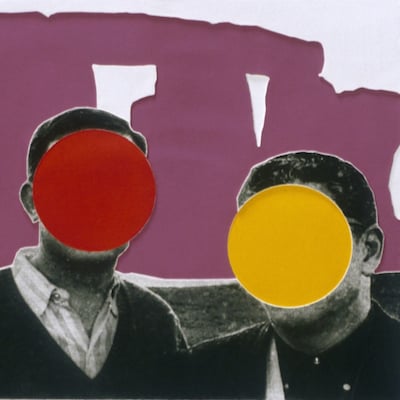 Artwork by John Baldessari
What is conceptual art?
Sometimes referred to as Conceptualism, this is an art form where the idea(s) or concept(s) behind the work take precedence over material concerns and traditional aesthetics. Many conceptual artworks can be created by anyone simply by following written instructions. The concept or idea is the most essential aspect of the artwork.
Explore »

