

Mariko Mori
Mariko Mori (Japan, 1967) is a visionary contemporary artist blending technology, spirituality, and futuristic aesthetics. Her multimedia works, often featuring herself, explore themes of interconnectedness and transcendence, drawing from science fiction and traditional Japanese culture. Mori’s installations and digital art bridge the gap between ancient rituals and modern innovation.
© Mariko Mori. All rights reserved.
- Recently Added
- Price (Low-High)
- Price (High-Low)
- Year (Low-High)
- Year (High-Low)

Mariko Mori
Breathing Stone / Wave UFO, 2007
Sculpture / Object
Acrylic sculpture
EUR 2,490

Mariko Mori
Sketch of the Wave UFO , 2004
Limited Edition Print
Lithograph
Currently Not Available
No sold works to show.
I must create the world in order to breathe in the world; I don't exist unless I create.
- Mariko Mori
- Mariko Mori
Mariko Mori is a Japanese contemporary artist. Her art concept involves taking traditional Japanese culture, as well as its history, and adding futuristic components to create a final piece. Much of her work involves photography. It is common to find a futuristic theme involving cosplay costumes as the central focus of her photos. Mori's photography process involves many self-portraits with hand-made costumes and thematic elements, including aliens and robots. One of her most recognized works is from an early point in her career, entitled Play With Me. She dressed up as an overly sexualized alien woman and posed in acts of every day life. Her tableau pieces often emphasize a futuristic setting meshed with the traditional role women are faced with. Mori also explores philosophical aspects in her works of art. She expresses a deep connection to nature to help explore the concepts of consciousness, death and modern technology. Through this exploration, she has created interactive installations, such as Wave UFO.
Related Artists


Related Articles

Artists, Art Movements - October 5, 2023
Superflat: A Modern Mirror to Traditional Japanese Art
Explore the Superflat art movement and its blend of traditional Japanese aesthetics with modern culture. Discover Murakami’s iconic works and their impact.Read More
News, Art Movements - July 28, 2023
The Conundrum of Technology's Experiment with Contemporary Art: A Mercurial Maiden Voyage
Discover how technology transforms contemporary art, blending innovation with creativity. Explore challenges of authenticity, access, and digital expression.Read More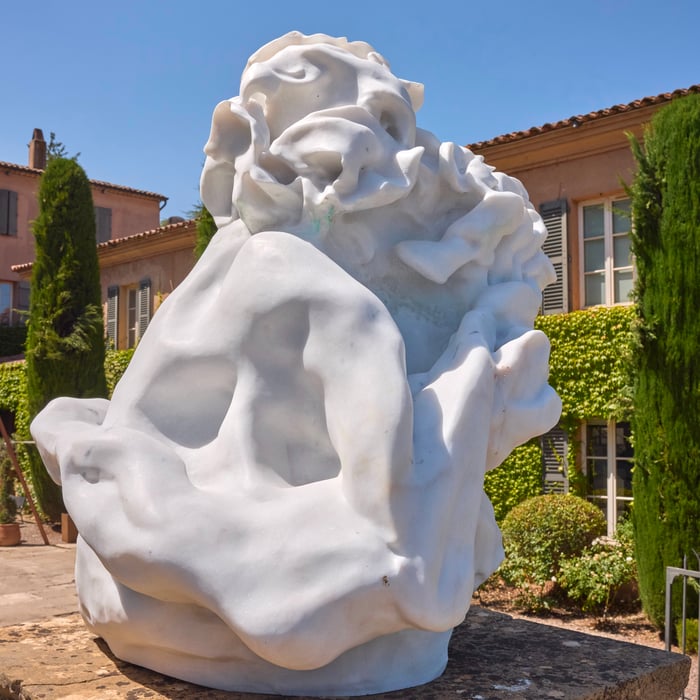
News, Popular, Collecting, Artists - August 12, 2026
In Minor Keys: Finding Intimacy and Identity at the 61st Venice Biennale — and in Your Collection
Explore how Koyo Kouoh’s 61st Venice Biennale vision, In Minor Keys, is shifting contemporary collecting toward quiet introspection, memory, and personal identi…Read More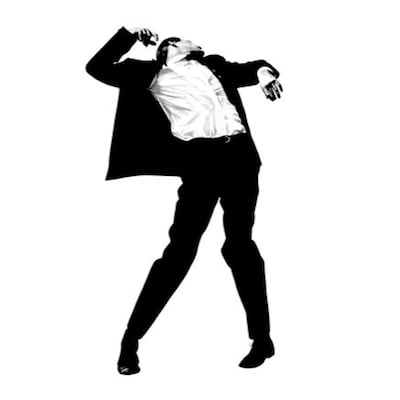 Artwork by Robert Longo
What is Performance Art?
Performance Art is a genre of fine art that is traditionally interdisciplinary, involving various art forms. It can be scripted or unscripted, random or carefully orchestrated, spontaneous, or meticulously planned, with or without audience participation. Performance Art can be presented live or through media, with the artist either present or absent. It typi…
Explore »

