
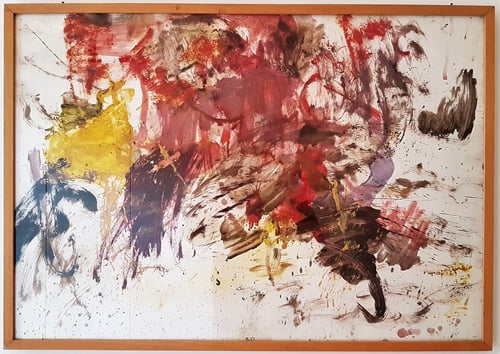
Rudolf Polanszky
Rudolf Polanszky (Austria, 1951) is a contemporary artist celebrated for his abstract, process-driven works that blend sculpture, painting, and assemblage. Known for using unconventional materials like acrylic glass and industrial fragments, his 'Reconstructions' explore chance, transformation, and spatial relationships. Polanszky’s works have been exhibited internationally.
© Rudolf Polanszky. All rights reserved.
- Recently Added
- Price (Low-High)
- Price (High-Low)
- Year (Low-High)
- Year (High-Low)
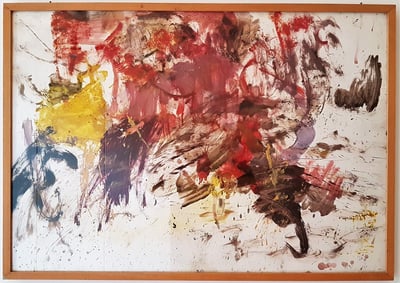
Rudolf Polanszky
Untitled, 1980s
Drawing / Watercolor
Mixed Media
EUR 25,000 - 30,000
No sold works to show.
This is my hope—that I always get somewhere that I can’t find otherwise.
- Rudolf Polanszky
- Rudolf Polanszky
Rudolf Polanszky is an artist that is part of the Actionist and Post-Actionist movement.
Ad hoc synthesis is the style Polanzsky used frequently in his art. His artwork is rather abstract and mathematical and scientific concepts can often be seen. The use of bold colors, industrial materials and graphic designs showcase a subject matter that is nontraditional or non-conforming. His artwork offered conceptual thoughts and truly made the viewer analyze the use of his characteristic scientific themes.
Franz West and Dieter Roth are two other artists that Polanszky is associated with. The multimedia artist used a variety of mediums like wire, silicone, acrylic glass and aluminum.
Ad hoc synthesis is the style Polanzsky used frequently in his art. His artwork is rather abstract and mathematical and scientific concepts can often be seen. The use of bold colors, industrial materials and graphic designs showcase a subject matter that is nontraditional or non-conforming. His artwork offered conceptual thoughts and truly made the viewer analyze the use of his characteristic scientific themes.
Franz West and Dieter Roth are two other artists that Polanszky is associated with. The multimedia artist used a variety of mediums like wire, silicone, acrylic glass and aluminum.
Related Artists



Related Articles
Popular, Art Movements - November 20, 2024
Understanding Abstract Expressionism: Emotion and Gesture
Explore the emotional depth of Abstract Expressionism! Discover how artists like Pollock and Rothko used gesture and color to convey human complexity.Read More
Popular, Art Movements - May 23, 2022
Viennese Actionism: An unique convergence of shock value and Transcendence
Explore the provocative legacy of Viennese Actionism, blending shock value and transcendence. Discover how its pioneers redefined art with raw, political perfor…Read More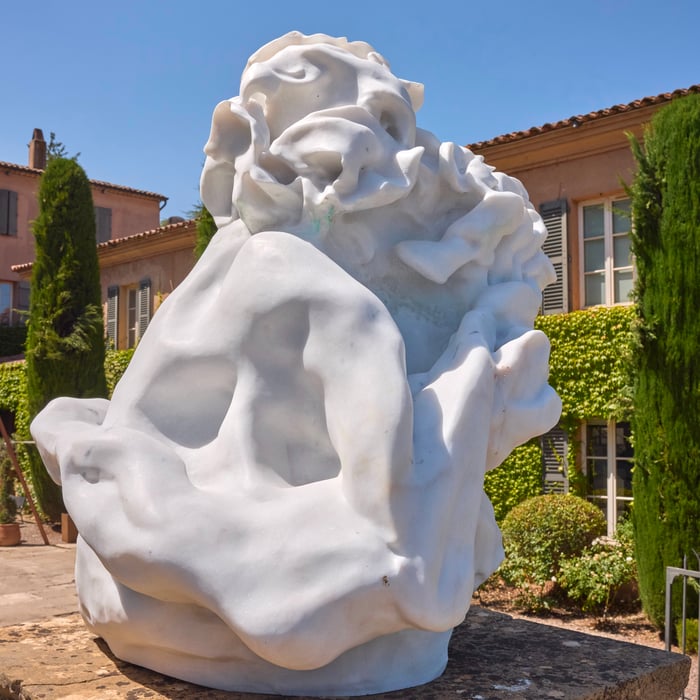
News, Popular, Collecting, Artists - August 12, 2026
In Minor Keys: Finding Intimacy and Identity at the 61st Venice Biennale — and in Your Collection
Explore how Koyo Kouoh’s 61st Venice Biennale vision, In Minor Keys, is shifting contemporary collecting toward quiet introspection, memory, and personal identi…Read More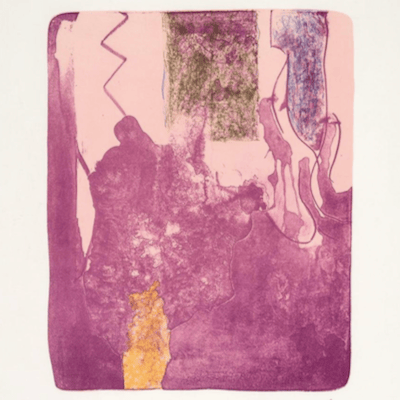 Artwork by Helen Frankenthaler
What is abstract expressionism?
Abstract Expressionism is an art movement that emerged in the United States during the 1940s and 1950s. Characterized by large, abstract canvases, the movement emphasized spontaneous, expressive brushwork and the use of color and form to convey emotion rather than represent reality. Artists like Jackson Pollock, Mark Rothko, and Willem de Kooning are key fig…
Explore »

