
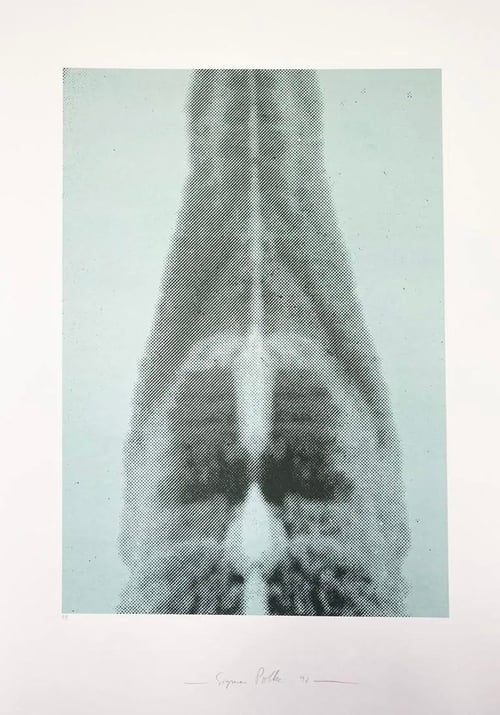
Sigmar Polke
Sigmar Polke (Germany, 1941–2010) was a groundbreaking artist known for blending painting, photography, and printmaking. A co-founder of the 'Capitalist Realism' movement, his works critiqued consumerism and cultural norms with wit and experimental techniques, often incorporating unconventional materials. Polke's layered, multi-faceted style remains influential in contemporary art.
© Sigmar Polke. All rights reserved.
- Recently Added
- Price (Low-High)
- Price (High-Low)
- Year (Low-High)
- Year (High-Low)
Sigmar Polke
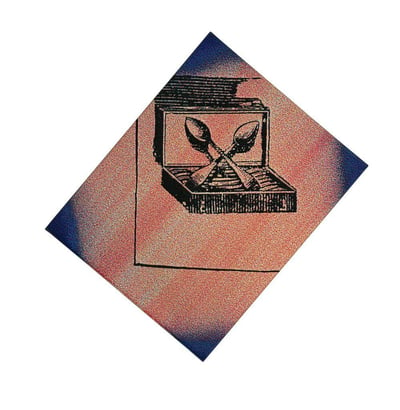
Dr Pabscht het z’Schpiez s’Schpäckbschteck z’schpät bschteut, 1980/1991
Limited Edition Print
Mixed Media
EUR 13,000

Sigmar Polke
Untitled (Columbus In Search of a New Tomorrow), 1992
Limited Edition Print
Silkscreen
Inquire For Price

Sigmar Polke
Tisch mit umgekippter Kanne I, 1970
Limited Edition Print
Screen-print
Currently Not Available
Sigmar Polke
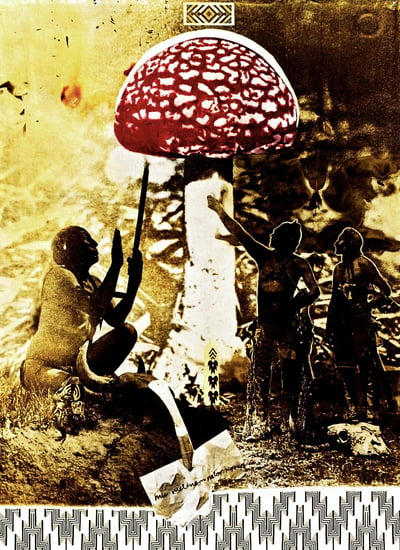
Mu nieltnam netorruprup., 1975
Limited Edition Print
Lithograph
Currently Not Available
No sold works to show.
What interests me is the unforeseeable.
- Sigmar Polke
- Sigmar Polke
Highly acclaimed for his persistent use of unorthodox materials and his experiment across a wide range of styles and subject matters, Sigmar Polke was a painter and photographer as well as a founding member of the Capitalist Realism painting movement. Among Polke's most acclaimed paintings is Bunnies, a piece that uses the ‘dot’ technique popularised by Pop Artists such as Lichtenstein; succinctly showcasing Polke’s wry sense of irony, this painting on first appearances seems to depict an attractive group of women dressed provocatively in the style of Playboy bunnies, but upon closer inspection the faces of the women are grotesquely distorted by a set of coloured circles. Polke began to use a range of alchemical materials in his paintings throughout the 80’s - meteor dust, smoke, a mucous produced by snails, as well as varnishes and resins are among the properties he would mix with paint to create spontaneous chemical reactions, resulting in Abstract Expressionist pieces.
Related Artists


Related Articles
News, Popular, Collecting, Artists - August 12, 2026
In Minor Keys: Finding Intimacy and Identity at the 61st Venice Biennale — and in Your Collection
Explore how Koyo Kouoh’s 61st Venice Biennale vision, In Minor Keys, is shifting contemporary collecting toward quiet introspection, memory, and personal identi…Read More
 Artwork by Shepard Fairey
What is appropriation?
Appropriation in art involves using pre-existing images or objects with little or no modification. This technique has played a significant role across various art forms, including visual arts, music, performance, and literature. In visual arts, appropriation refers to the practice of adopting, sampling, recycling, or borrowing elements—or even entire forms—o…
Explore »

