

Sophie Calle
Sophie Calle (France, 1953) is a conceptual artist and writer known for blending personal narrative with investigative art. Her work often explores themes of intimacy, identity, and voyeurism, using photography, text, and performance. Notable projects include The Hotel and Take Care of Yourself, which merge art and autobiography with striking emotional depth.
© Sophie Calle. All rights reserved.
- Recently Added
- Price (Low-High)
- Price (High-Low)
- Year (Low-High)
- Year (High-Low)

Sophie Calle
The Tombes, Mother / Father, 1990
Photography
Gelatin Silver Print
Currently Not Available
No sold works to show.
I did not think about becoming an artist when I began. I did not consider what I was doing as art.
- Sophie Calle
- Sophie Calle
Hailed as 'France's answer to Tracey Enim' by The Telegraph, Sophie Calle, is a conceptual artist, widely known for her 1982 piece 'The Hotel' - a collection of photos depicting the personal belongings of hotel guests, which aimed to make assumptions about their identities and lifestyle. Her main style of art consists of taking black and white photographs, as well as combining a performance element to her pieces. Calle is largely associated with the contemporary art movement, which strived to reject modernism, as well as reject the post structuralist notion of 'the death of the author'. Other notable works of Calle's include The Shadow (1981), which was an attempt to provide evidence of her own existence through the medium of photography, and Address Book (1983), which caused controversy when Calle was accused of breaching the privacy of the subject Pierre Baudry, who owned the address book used in the piece. As of 2005, Calle has been a professor of film and photography at The European Graduate School of Switzerland.
Related Artists
Related Articles
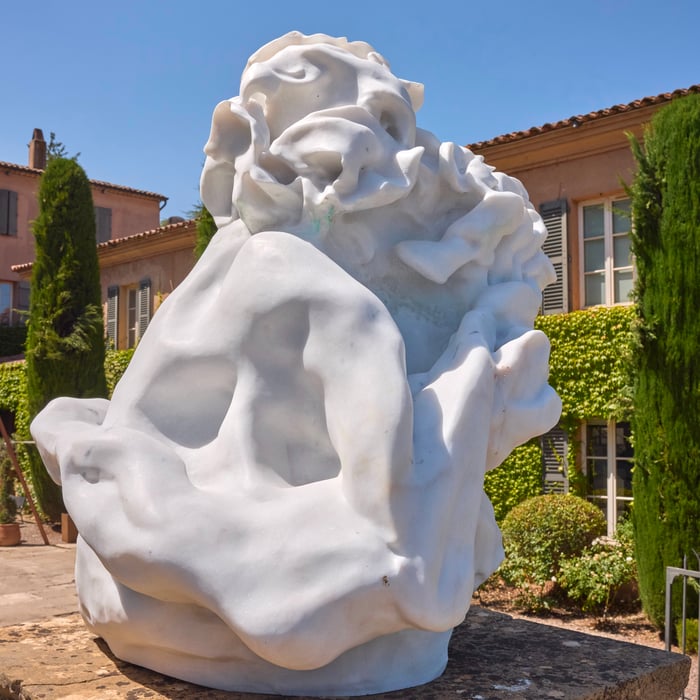
News, Popular, Collecting, Artists - August 12, 2026
In Minor Keys: Finding Intimacy and Identity at the 61st Venice Biennale — and in Your Collection
Explore how Koyo Kouoh’s 61st Venice Biennale vision, In Minor Keys, is shifting contemporary collecting toward quiet introspection, memory, and personal identi…Read More
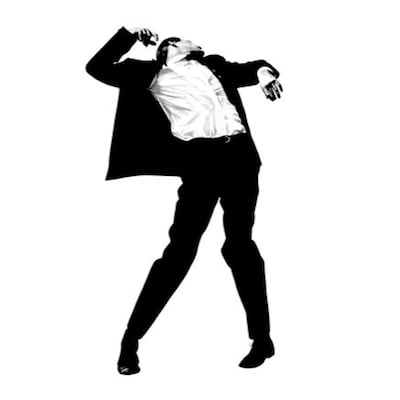 Artwork by Robert Longo
What is Performance Art?
Performance Art is a genre of fine art that is traditionally interdisciplinary, involving various art forms. It can be scripted or unscripted, random or carefully orchestrated, spontaneous, or meticulously planned, with or without audience participation. Performance Art can be presented live or through media, with the artist either present or absent. It typi…
Explore »

