

United Kingdom
Immerse yourself in the pulsating energy of the United Kingdom's contemporary art landscape. Steeped in history yet invigorated by cutting-edge experimentation, it is home to notable institutions such as London's Tate Modern and the Serpentine Galleries. The UK is also the birthplace of distinguished artists like Damien Hirst, whose installations challenge conventions, and Tracey Emin, acclaimed for her deeply personal multimedia work. The annual Frieze London brings together the brightest talents from around the globe, further cementing the UK's status as a contemporary art powerhouse. Delve into the rich tapestry of UK contemporary art at Composition Gallery's website.
- Show All
- Established
- Discoveries
- Show All
Artworks Related to United Kingdom

Damien Hirst
Deadman's Cove H13-1 Where the Land Meets the Sea, 2023
Limited Edition Print
Mixed Media
GBP 5,950 - 7,700

Damien Hirst
Kingsdown Beach H13-2 from Where The Land Meets The Sea, 2023
Limited Edition Print
Mixed Media
GBP 5,950 - 7,700

David Shrigley
Never Forget How Beautiful You Are, 2025
Drawing / Watercolor
Acrylic on paper
GBP 5,500 - 7,100

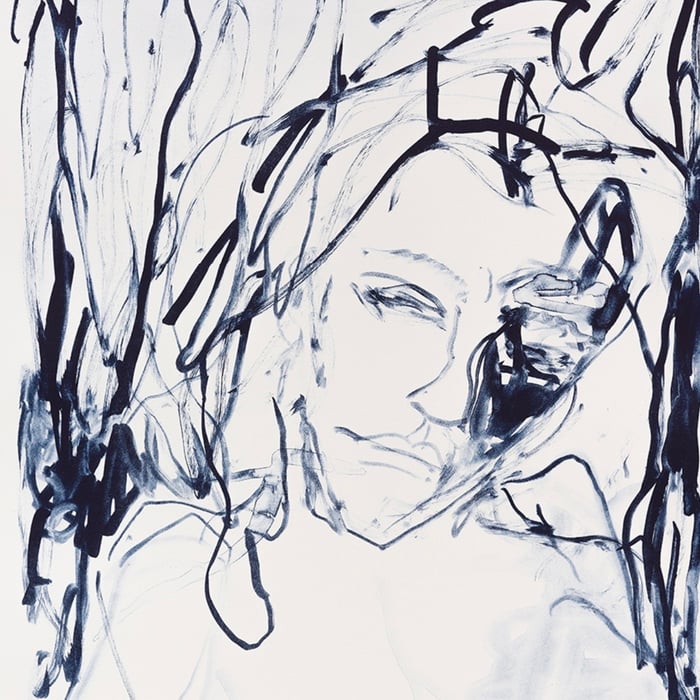
Tracey Emin
She Watched, 2017
Limited Edition Print
Lithograph
GBP 4,750 - 7,000

Tracey Emin
I Promise To Love You, 2014
Limited Edition Print
Lithograph
GBP 5,000 - 6,000
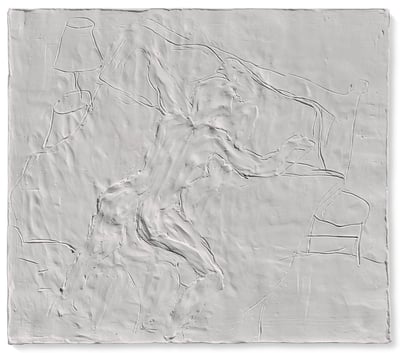
Tracey Emin
Holding On To You, 2015
Sculpture / Object
Bronze
GBP 35,000 - 45,000
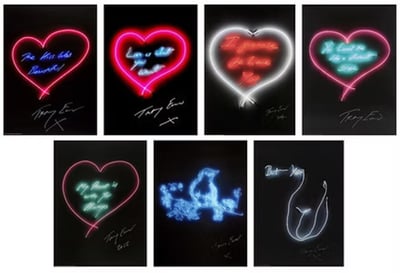
Tracey Emin
Full Set of Hand-Signed Love Neon Posters, 2014/2015
Limited Edition Print
Lithograph
GBP 22,500 - 30,000

Tracey Emin
Every Bodies Been There, 1998
Limited Edition Print
Lithograph
GBP 2,340
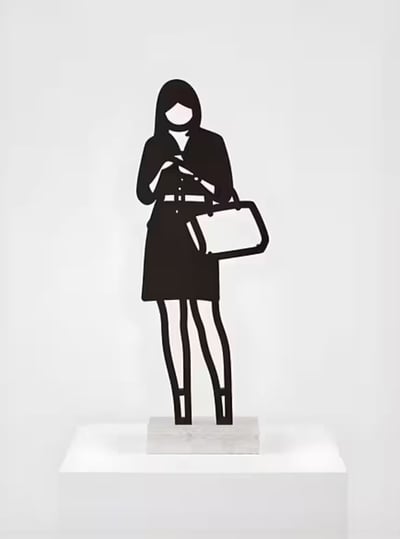
Julian Opie
Handbag, 2020
Sculpture / Object
Bronze
GBP 10,000 - 12,000

Howard Hodgkin
Ice, 2013
Limited Edition Print
Screen-print
GBP 4,620
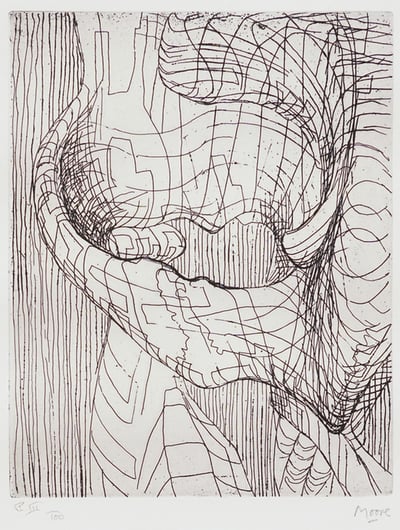
Henry Moore
Elephant Skull, 1969
Limited Edition Print
Etching
GBP 1,620
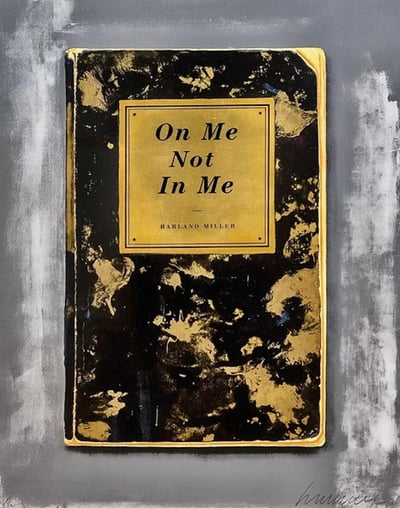
Harland Miller
On Me Not In Me, 2015
Limited Edition Print
Screen-print
GBP 24,000 - 26,000
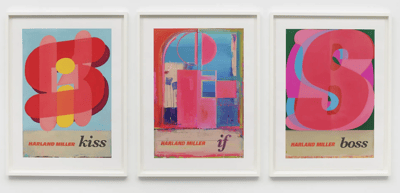
Harland Miller
3 WISHES 4 EVER, 2022
Limited Edition Print
Screen-print
Inquire For Price

David Hockney
The Restaurateur - Peter At Odins, 1974
Limited Edition Print
Etching and Aquatint
GBP 11,940
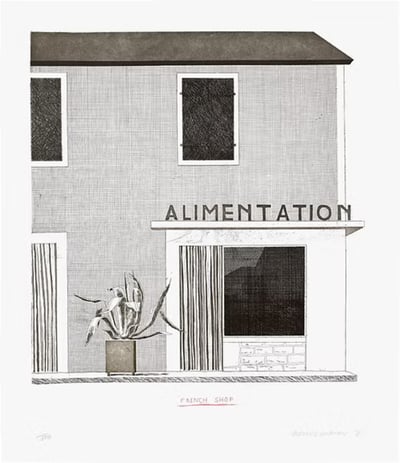
David Hockney
The French Shop, 1971
Limited Edition Print
Etching and Aquatint
GBP 21,500
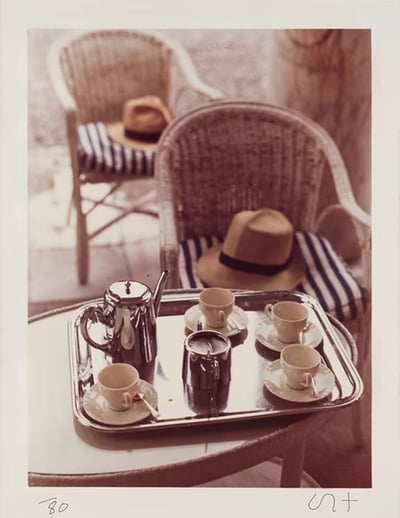
David Hockney
Still Life with Hats, 1973
Photography
C-Print
GBP 10,200
Related Articles

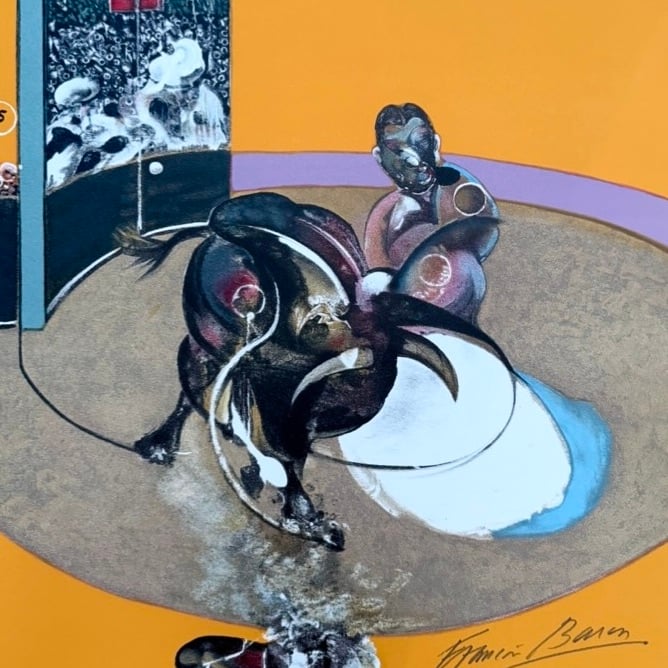

A limited edition print is one of a number of prints made at the same time from one printmaking plate. A fixed number are made and signed by the artist, indicating the printing order, using the format 1/10, meaning first of ten prints.
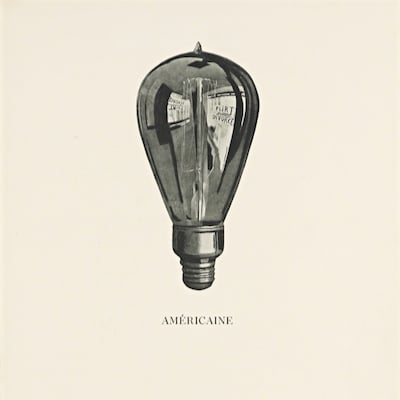
Also known as Dadaism, Dada was a literary and artistic movement that began in 1916 in Zurich, Switzerland. It emerged as a rejection of rationalism and nationalism, which were seen as contributing factors to World War I. The movement had political undertones and was strongly anti-war. Dada activities included demonstrations, gatherings, and the publication of literary and art journals that explored cultural and political topics.

A plate is a broad, primarily flat vessel used for serving food, but it can also serve ceremonial or decorative purposes. Plates are typically circular, though they can be any shape and made from various water-resistant materials. Most plates have raised edges, either by curving upward or featuring a wider lip. Vessels without a raised edge or with a more rounded profile are often considered bowls or dishes, while very large, plate-shaped vessels might also be classified as dishes.
Can't find your Answer?
Thank you! Your question has been sent — we'll get back to you shortly.
