
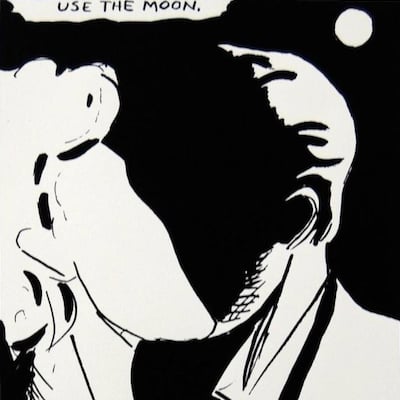
What is Comic Strip Art?
- Show All
- Established
- Discoveries
- Show All
Artworks Related to Comic Strip art

Kenny Scharf
Furungle 5, 2021
Limited Edition Print
Mixed Media
USD 5,790

Kenny Scharf
Furungle 4, 2021
Limited Edition Print
Mixed Media
USD 5,790

Kenny Scharf
Furungle 3, 2021
Limited Edition Print
Mixed Media
USD 5,790

Kenny Scharf
Furungle 2, 2021
Limited Edition Print
Mixed Media
USD 5,790

Kenny Scharf
Furungle 1, 2021
Limited Edition Print
Mixed Media
USD 5,790

Andy Warhol
Hans Christian Andersen (Clown with Tablet on his Head), 1987
Limited Edition Print
Screen-print
USD 14,600

Takashi Murakami
Untitled XXV from We Are the Jocular Clan, 2018
Limited Edition Print
Lithograph
USD 1,550
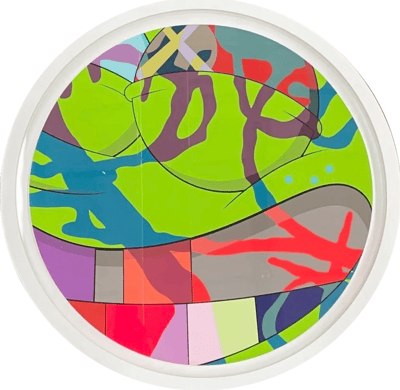
KAWS
The News 2, 2017
Limited Edition Print
Serigraph
USD 11,150

Kenny Scharf
Scary Guy, 2015
Sculpture / Object
Mixed Media
Currently Not Available

Andy Warhol
Wild Raspberries (Salad), 1959
Limited Edition Print
Offset Print
Inquire For Price

Andy Warhol
Wild Raspberries (Baked Hawaii), 1959
Limited Edition Print
Offset Print
Inquire For Price

Andy Warhol
Wild Raspberries (Greengauges a la Warhol), 1959
Limited Edition Print
Offset Print
Inquire For Price

Kenny Scharf
Jungleyea, 2010
Limited Edition Print
Archival Print
USD 2,490

Keith Haring
Keith Haring Table Lamp, 1988
Sculpture / Object
Mixed Media
USD 2,900
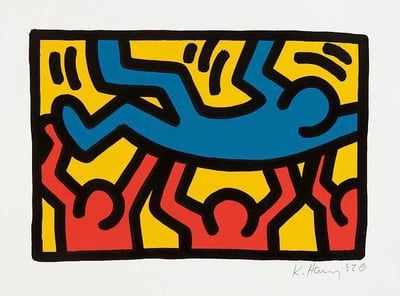
Keith Haring
Untitled (Crowd - Plate 2), 1987
Limited Edition Print
Lithograph
USD 30,500

Kenny Scharf
Klobz, 2022
Limited Edition Print
Archival Print
USD 2,500
Related Articles


Light art refers to artworks that use light as the primary medium. These can include sculptures or installations that interact with the natural or urban environment. Light art can be suspended, in relief, ground-based, permanent, or temporary. There are two main types of light art: one displayed indoors in galleries and another exhibited outdoors. Light art has been used throughout human history, from ancient times to contemporary public installations.
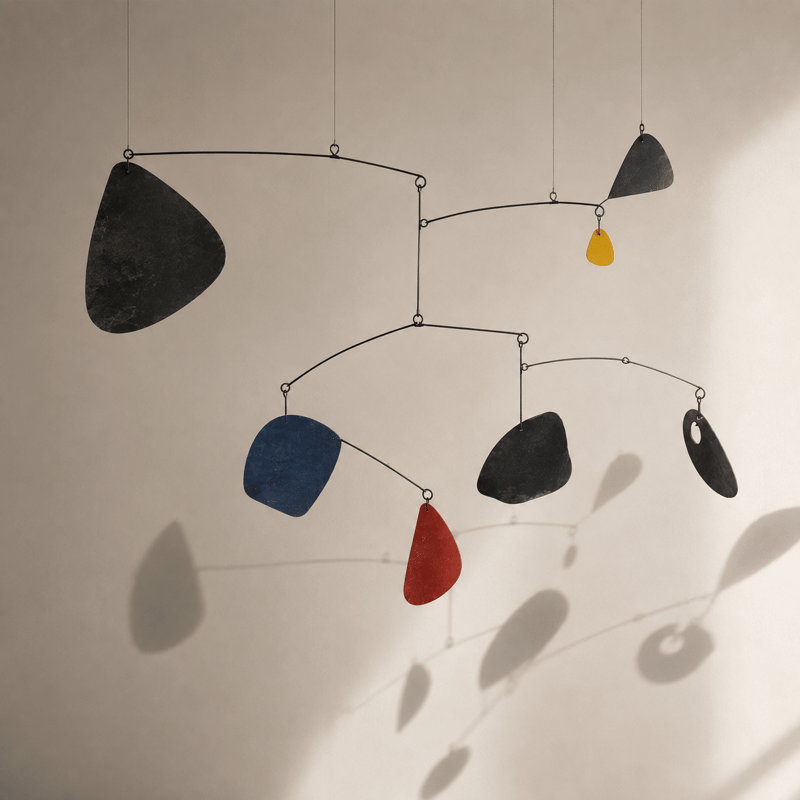
A mobile is a type of kinetic sculpture consisting of an ensemble of balanced parts that hang freely and move independently or as a whole when influenced by air currents or touch. Typically made of wire and colorful metal shapes, mobiles are designed to create dynamic visual effects through their motion.

A print is an image or text reproduced using a template or master form. Prints are typically created by transferring ink from a prepared matrix to another material, often paper. Common matrices include copper or zinc plates for etching and engraving, aluminum or stone for lithography, wood blocks for woodcuts, and linoleum for linocuts. The term print can also refer to a single impression made from the matrix.
Can't find your Answer?
Thank you! Your question has been sent — we'll get back to you shortly.
