
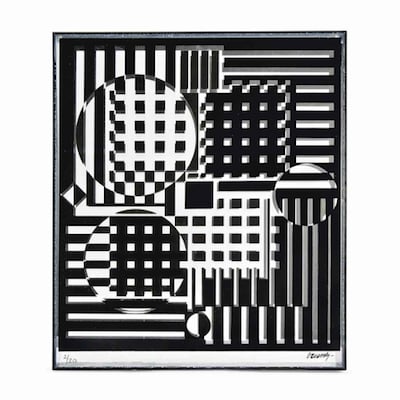
What is Op Art?
Op Art is a visual art style that uses optical illusions to create the impression of movement, vibrating patterns, flashing, or hidden images. The works are typically abstract, with many well-known pieces in black and white. The roots of Op Art can be traced back to earlier movements like Futurism, Constructivism, Dada, and Neo-Impressionism, particularly in their use of color effects and graphic design.
Show All
- Show All
- Established
- Discoveries
Show All
- Show All
Artworks Related to Op Art
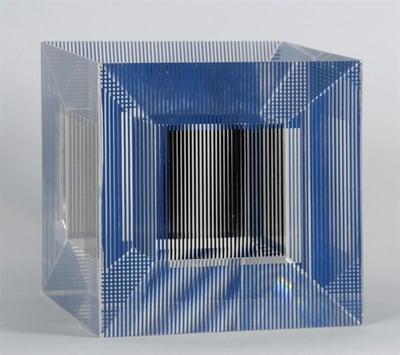
Rafael Jesus Soto
Cube with Ambiguous Space , 1981
Sculpture / Object
Object
Currently Not Available
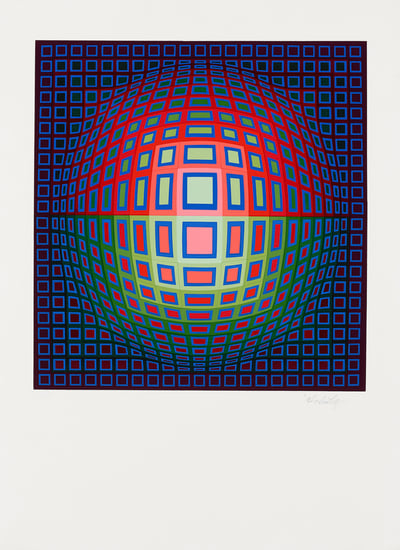
Victor Vasarely
Blue Composition, c. 1980
Limited Edition Print
Serigraph
EUR 1,500
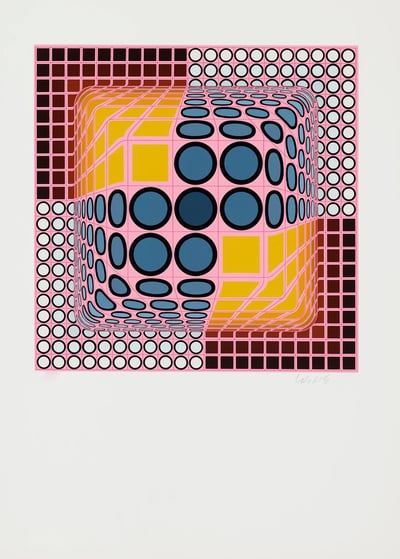
Victor Vasarely
Pink Composition, c. 1980
Limited Edition Print
Serigraph
EUR 1,500
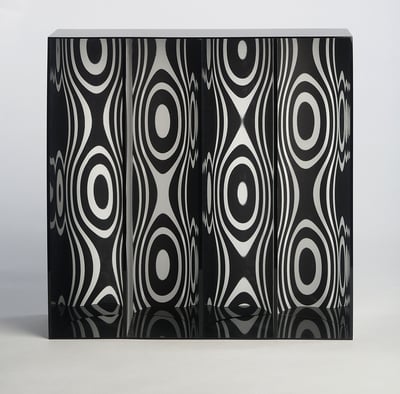
Julio Le Parc
Ondes par déplacement du spectateur, 1965-2012
Sculpture / Object
Acrylic sculpture
Inquire For Price
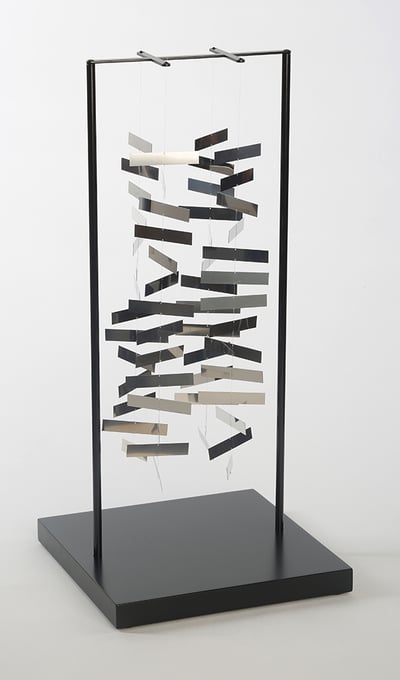
Julio Le Parc
Mobile rectangle dans l'espace, 1967 - 2009
Sculpture / Object
Acrylic sculpture
EUR 16,000

Carlos Cruz-Diez
Chromointerference joaquim, 2012
Sculpture / Object
Acrylic sculpture
EUR 5,200
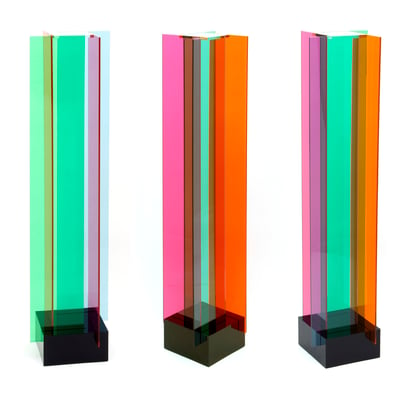
Carlos Cruz-Diez
Transchromies a 4 elements b, 1965-2010
Sculpture / Object
Acrylic sculpture
EUR 9,000
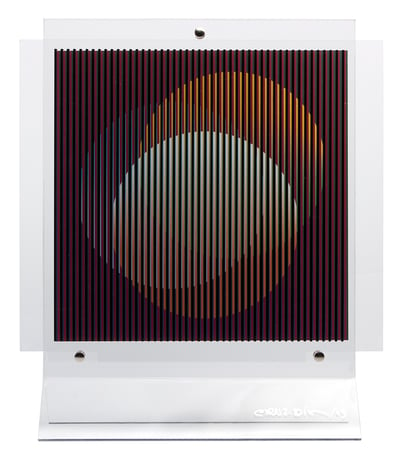
Carlos Cruz-Diez
Chromointerference Manipulable, 2009
Sculpture / Object
Acrylic sculpture
EUR 9,000
Related Articles
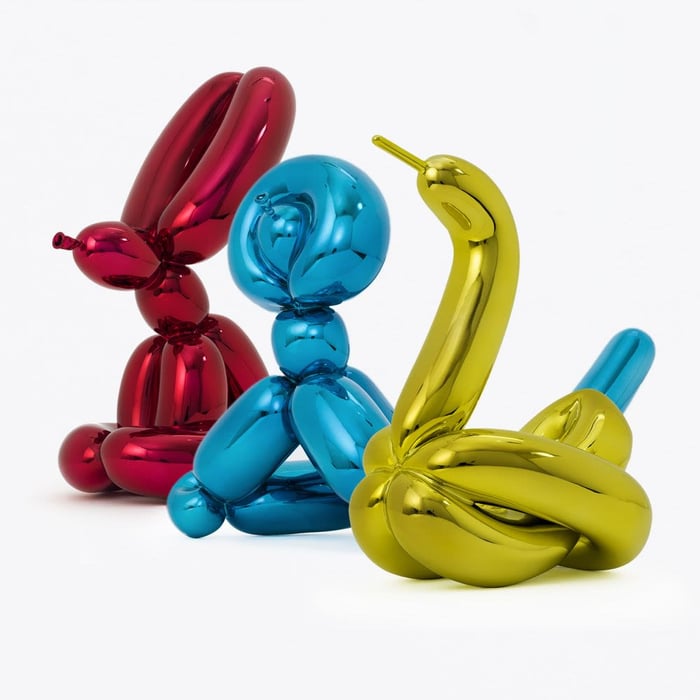
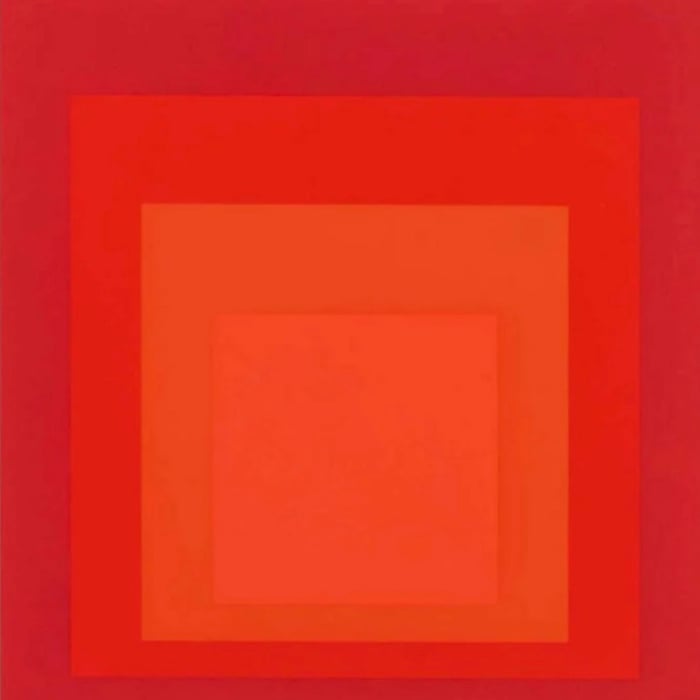
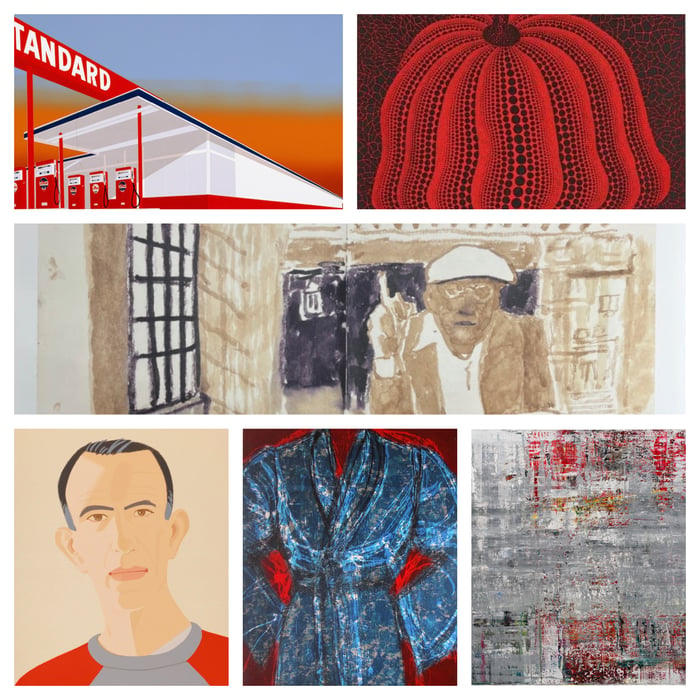

Assemblage is an artistic process involving the combination of three-dimensional objects to create a work of art. The term, which originates from the French word for assembly, often involves the use of found objects like leaves, stones, discarded items, or recycled materials. These objects are arranged creatively to form a unique and often thought-provoking artwork.
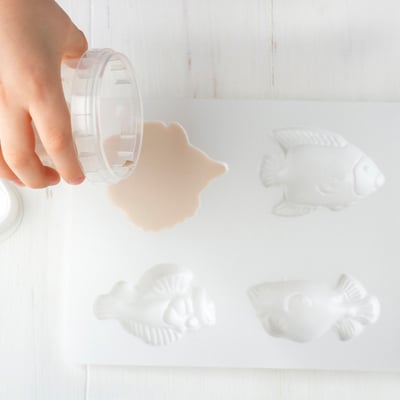
A cast is a form created by pouring a liquid material, such as plastic, plaster, acrylic, concrete, or mixed media, into a mold. Once the liquid cools and fully solidifies, the cast is removed from the mold, revealing the final shape. This process is widely used in sculpture, manufacturing, and various forms of art to replicate intricate designs and shapes.
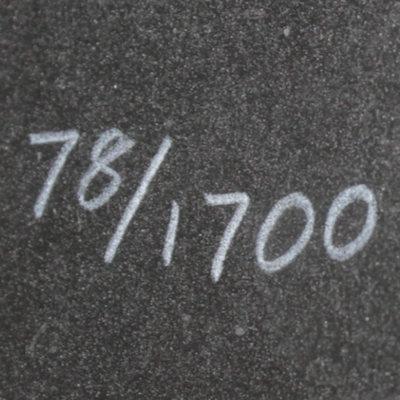
In art, an edition refers to the total number of identical or closely similar items produced as a set. This often applies to prints, such as lithographs, where multiple copies are made from a single original. An edition can also refer to works that are closely related to the original version of an artwork, such as variations or replicas.
Can't find your Answer?
Thank you! Your question has been sent — we'll get back to you shortly.
