

What is Shock Art?
- Show All
- Established
- Discoveries
- Show All
Artworks Related to Shock Art
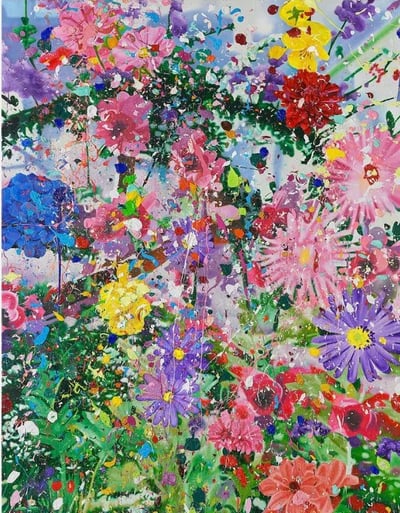
Damien Hirst
H14-1 Realisation (from the Secrets), 2024
Limited Edition Print
Giclée printing
GBP 7,800

Damien Hirst
H14-4 Wisdom (from the Secrets), 2024
Limited Edition Print
Giclée printing
GBP 7,800

Damien Hirst
Skull Spin Painting, 2009
Painting
Acrylic on paper
EUR 11,900

Damien Hirst
Ciclopirox Olamine, 2004
Limited Edition Print
Etching
USD 18,000

Damien Hirst
The Currency Unique Print H11-46, 2022
Limited Edition Print
Giclée printing
GBP 5,525

Damien Hirst
Spin Painting (circle), 2009
Painting
Mixed Media
USD 14,000 - 17,000
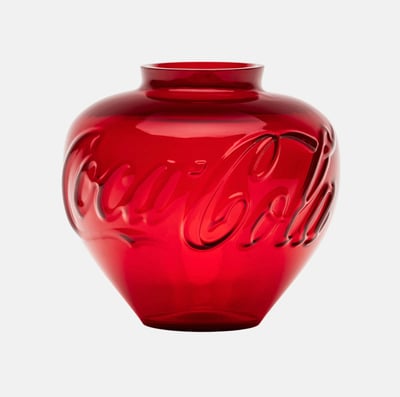
Weiwei Ai
Glass Vase, 2023
Sculpture / Object
Glass
GBP 4,000 - 7,000

Damien Hirst
H13-4 Studland Bay (from Where the Land Meets the Sea), 2023
Limited Edition Print
Giclée printing
GBP 5,700

Damien Hirst
H13-3 Kynance Cove (from Where the Land Meets the Sea), 2023
Limited Edition Print
Giclée printing
GBP 5,400
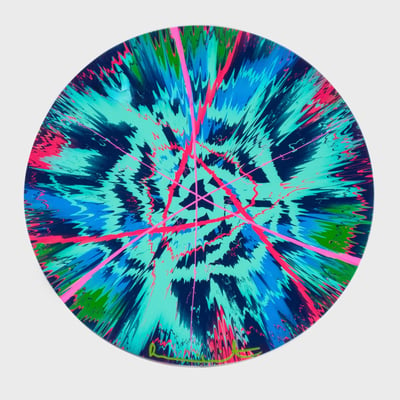
Damien Hirst
H12-3 (Medium), 2023
Limited Edition Print
Giclée printing
GBP 6,500

Damien Hirst
I Love You - Gold Leaf/ Black/ Cool Gold, 2015
Limited Edition Print
Silkscreen
USD 28,500

Damien Hirst
H4-4 Cannizaro, 2018
Limited Edition Print
Mixed Media
USD 21,300

Damien Hirst
Star Spin Painting, 2009
Painting
Acrylic on paper
USD 5,800

Tracey Emin
ipad Sketches - Nativity set of 5, 2013
Limited Edition Print
Giclée printing
GBP 2,700

Tracey Emin
Tatoo, 2001
Limited Edition Print
Offset Print
GBP 4,700
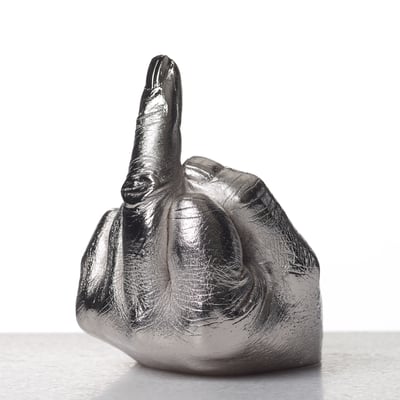
Weiwei Ai
Artist's Hand, 2017
Sculpture / Object
Resin
GBP 6,900
Related Articles


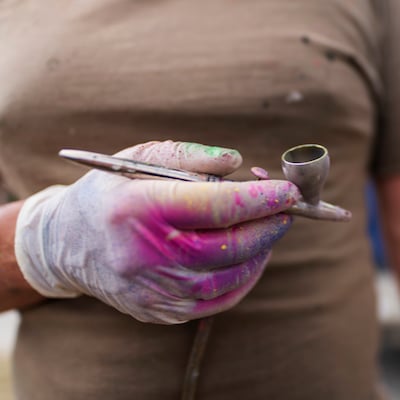
An airbrush is a device that sprays various media, including paint and ink, using compressed air. Artists use airbrushes to create a smooth, even application of color, often achieving effects that are not possible with traditional brushes. James Rosenquist, an American Pop artist, regularly used an airbrush in his work. Before gaining fame with pieces like the iconic F-111 (1965), he worked as a commercial and industrial painter, where he honed his airbrush skills.

Orphism is an abstract style of painting influenced by Cubism, developed by Sonia and Robert Delaunay. The term was coined around 1912 by French poet Guillaume Apollinaire to differentiate the Delaunays' work from Cubism, emphasizing their focus on vibrant color and light. The name Orphism is inspired by the Greek musician Orpheus, symbolizing the movement's lyrical and harmonious qualities.

Computer printing involves using computer technology to reproduce fine art images as prints. In its basic form, this means creating digital versions of artwork that are printed onto paper. More advanced techniques allow artists to program computers to generate original art, which is then printed using various printing technologies.
Can't find your Answer?
Thank you! Your question has been sent — we'll get back to you shortly.
