

What is Xiamen Dada?
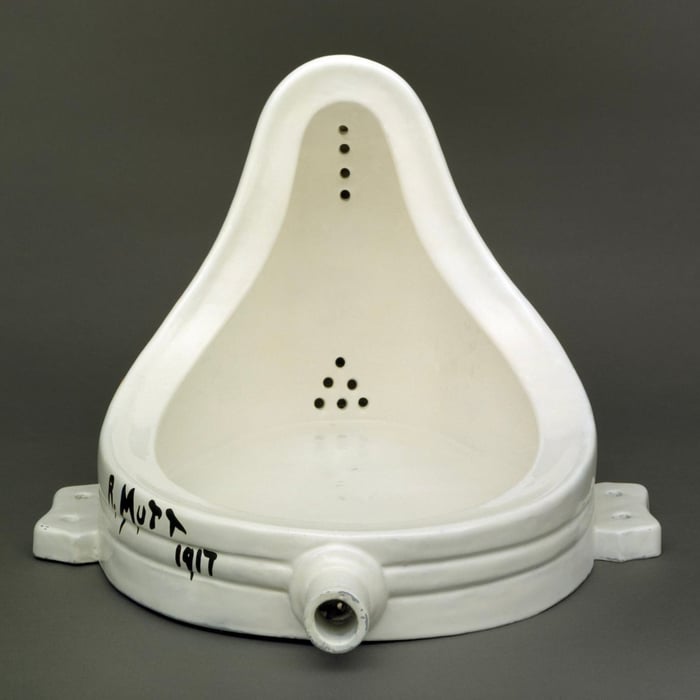
Xiamen Dada was a Chinese artist group based in Xiamen, a city on China’s southeast coast. Emerging in the 1980s, the group explored the relationship between Chan Buddhism and European Dada, embracing absurdity and the use of chance in the creation of their artworks. Xiamen Dada sought to challenge conventional artistic norms, blending Eastern philosophy with the avant-garde practices of Dada, and became known for their provocative and unconventional approach to art.
Related Articles


A term coined to describe artworks that are designed to be destroyed during their creation. Gustav Metzger, who developed this concept, outlined key principles: the artwork must disintegrate within 20 years, be self-completing, and involve public participation.

Video art is an art form that uses video and audio data, primarily featuring moving images. It emerged in the late 1960s and early 1970s with the advent of new technology and consumer video equipment that became accessible beyond corporate broadcasting. Video art can take many forms, including broadcast recordings, installations in museums or galleries, online streamed works, videotapes, and performances incorporating video monitors, television sets, or projections that display live or recorded sounds and images.

Avant-garde refers to innovative and experimental ideas in the arts that challenge established norms and conventions. Originating from the French term for advance guard, it describes both the movement and the artists who push the boundaries of creativity, often exploring new techniques, forms, and concepts. The avant-garde has been a driving force in various art movements throughout history, such as Dadaism, Surrealism, and Abstract Expressionism, continually reshaping the landscape of art and culture.
Can't find your Answer?
Thank you! Your question has been sent — we'll get back to you shortly.
