

Rosemarie Trockel
Rosemarie Trockel (Deutschland, 1952) ist eine deutsche Konzeptkünstlerin, bekannt für ihr vielfältiges Werk, das Zeichnungen, Gemälde, Skulpturen, Videos und Installationen umfasst. In den 1980er Jahren erlangte sie Bekanntheit mit ihren maschinell gestrickten Wollbildern, die traditionelle Kunstformen und Geschlechterrollen in Frage stellten. Trockels innovativer Ansatz kritisiert oft gesellschaftliche Normen und erforscht die Schnittstelle zwischen Kunst und Feminismus.
© Rosemarie Trockel. Alle Rechte vorbehalten.
- Zuletzt hinzugefügt
- Preis (Niedrig-Hoch)
- Preis (Hoch-Niedrig)
- Jahr (Niedrig-Hoch)
- Jahr (Hoch-Niedrig)
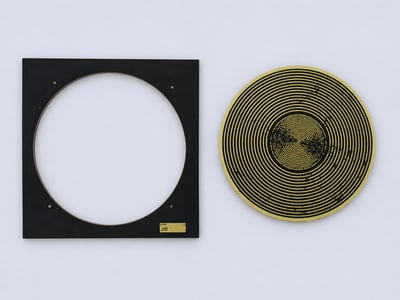
Rosemarie Trockel
Ex voto Platte, 2000
Skulptur / Objekt
Mischtechnik
EUR 900
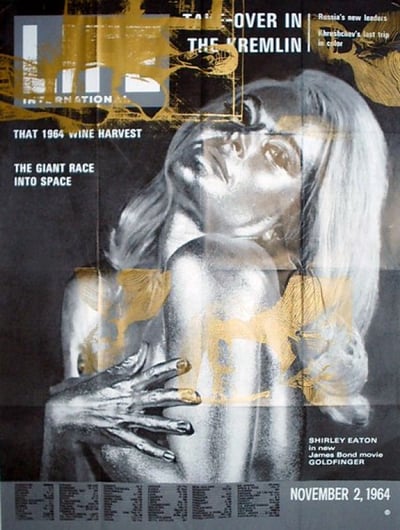
Rosemarie Trockel
Life 1, 2005
Limitierte Druck Auflage
Siebdruck
Zur Zeit nicht verfügbar
The minute something works, it ceases to be interesting. As soon as you have spelled something out, you should set it aside.
- Rosemarie Trockel
- Rosemarie Trockel
Rosemarie Trockel an artist from Germany who started her studies in 1974 at the Werkkunstschule in Cologne and found the Muelheimer Freiheit in the early 1980s. This was a group of painters in Cologne -- predominantly male -- but she emerged as an advocate of feminist issues, questioning the traditional hierarchies in society and in aesthetics. One material that Rosemarie Trockel uses most commonly materials is wool, which she started using during the 1980s to put together what she calls "knitting pictures," which are lengths of material that have been stretched to fit on frames, and patterned with geometrical shapes or publicly recognizable logos. One of her best known wool series isI See Darkness (2011), in which black yarn stretches over white perspex in vertical lines. Another favorite genre of hers is mixed media, such as Painting Machine and 56 BrushStrokes (1990), which incorporates steel rolls and wires. The brushes make marks on a paper roll, and they have been made from human hair and feature the names of the donors of the hair. Since the early 1990s, she has worked primarily in video.
Verwandte Künstler
Verwandte Artikel
Nachrichten, Populär, Sammeln, Künstler - 12. August 2026
In kleinen Tonarten: Intimität und Identität auf der 61. Biennale von Venedig — und in Ihrer Sammlung
Erkunden Sie, wie Koyo Kouohs Vision für die 61. Biennale von Venedig, 'In Minor Keys', das zeitgenössische Sammeln in Richtung stiller Introspektion, Erinnerun…mehr lesen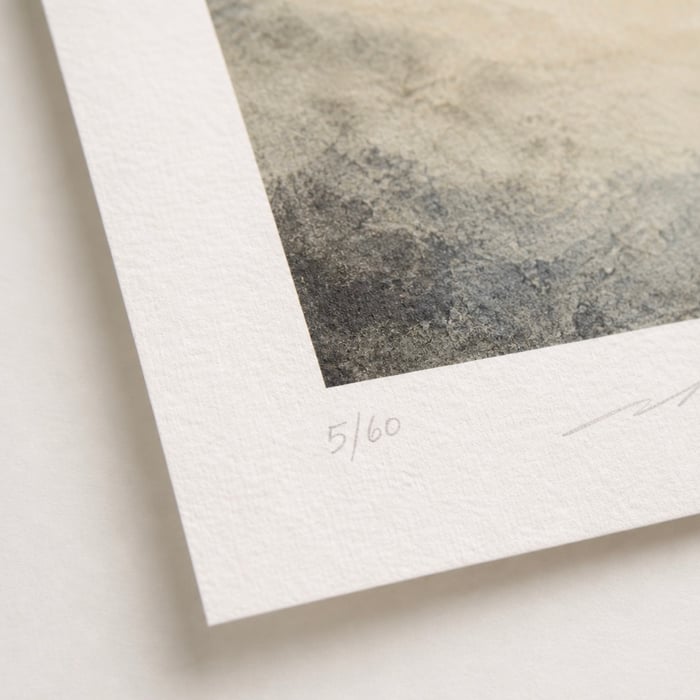
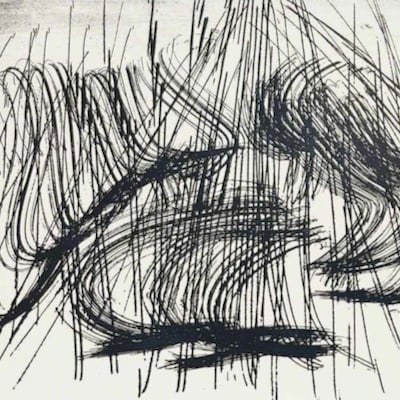 Artwork by Hans Hartung
Was ist Automatismus?
Automatismus bezieht sich auf eine Technik im kreativen Prozess, die auf das Unbewusste oder Unterbewusste zugreift. Sie basiert auf Sigmund Freuds psychoanalytischer Methode der freien Assoziation. Künstler schätzen diesen Prozess wegen seiner Fähigkeit, kreative Gedanken und spontane Schöpfung zu fördern.
Entdecken »

