
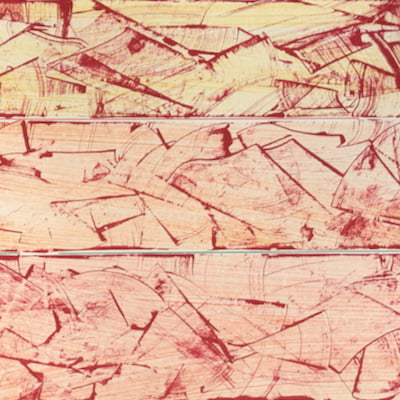
Qu'est-ce que le Systems Art?
- Voir tout
- Établie
- Découvertes
- Voir tout
Oeuvres d’art liées à Systems Art
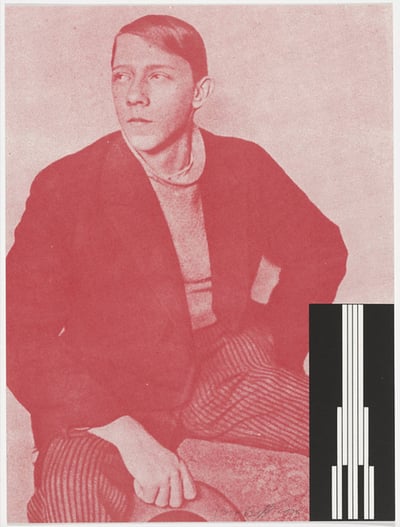
Dan Flavin
Untitled from The New York Collection for Stockholm, 1973
Édition Limitée
Sérigraphie (Screen-print)
GBP 2,340

Sol LeWitt
Circles from The New York Collection for Stockholm, 1973
Édition Limitée
Lithographie
GBP 3,300

Frank Stella
Sharpesville, from Multicolored Squares I, 1972
Édition Limitée
Lithographie
USD 7,000

Agnes Martin
Untitled (from Paintings and Drawings: 1974-1990), 1991
Édition Limitée
Lithographie
EUR 8,600

Jean Tinguely
Shooting paintings, 1970
Dessin / Aquarelle
Encre
EUR 4,000
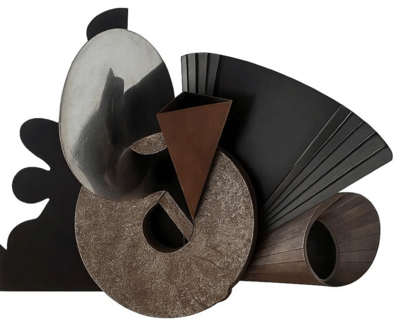
Frank Stella
The Decanter, 1986
Sculpture / Objet
Mixed média
Demander le prix

Agnes Martin
Untitled 10 (from Paintings and Drawings: 1974-1990), 1991
Édition Limitée
Lithographie
EUR 2,000

Agnes Martin
Untitled 9 (from Paintings and Drawings: 1974-1990), 1991
Édition Limitée
Lithographie
EUR 2,000

Agnes Martin
Untitled 8 (from Paintings and Drawings: 1974-1990), 1991
Édition Limitée
Lithographie
EUR 2,000

Agnes Martin
Untitled 7 (from Paintings and Drawings: 1974-1990), 1991
Édition Limitée
Lithographie
EUR 2,000

Agnes Martin
Untitled 6 (from Paintings and Drawings: 1974-1990), 1991
Édition Limitée
Lithographie
EUR 2,000

Agnes Martin
Untitled 5 (from Paintings and Drawings: 1974-1990), 1991
Édition Limitée
Lithographie
EUR 2,000
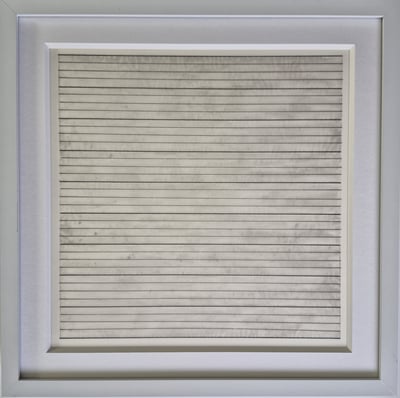
Agnes Martin
Untitled 4 (from Paintings and Drawings: 1974-1990), 1991
Édition Limitée
Lithographie
EUR 2,000

Agnes Martin
Untitled 3 (from Paintings and Drawings: 1974-1990), 1991
Édition Limitée
Lithographie
EUR 2,000

Agnes Martin
Untitled 2 (from Paintings and Drawings: 1974-1990), 1991
Édition Limitée
Lithographie
EUR 2,000
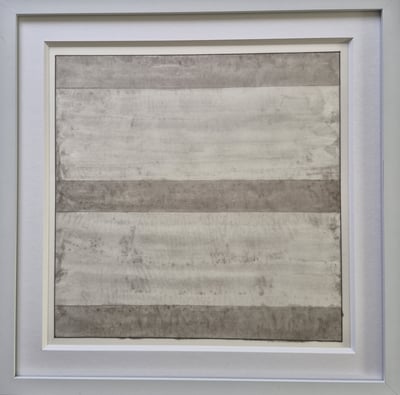
Agnes Martin
Untitled 1 (from Paintings and Drawings: 1974-1990), 1991
Édition Limitée
Lithographie
EUR 2,000
Articles Liés
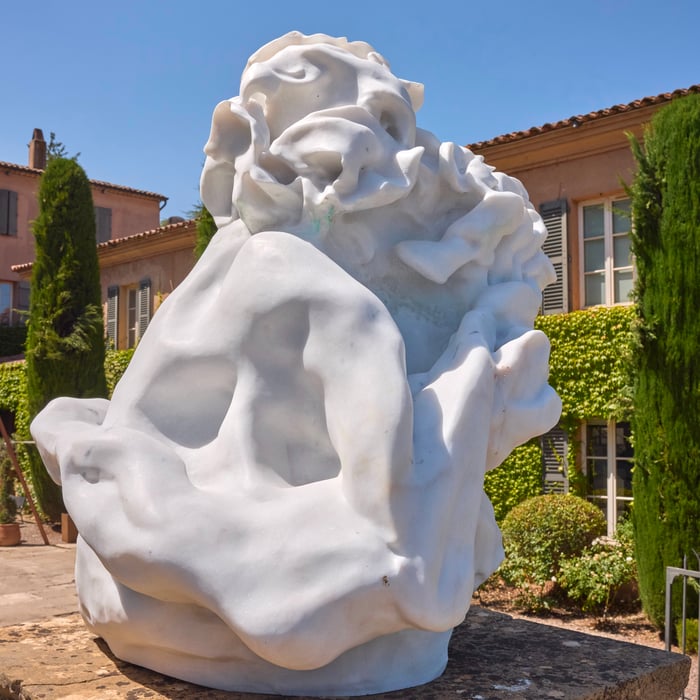

La tapisserie est un textile lourd et tissé à la main, présentant des motifs ou des images complexes tissés directement dans le tissu. Créées par des tisserands qualifiés à partir de matériaux tels que la laine, le lin, le coton, la soie et parfois des fils d'argent et d'or, les tapisseries ont historiquement servi d'œuvres d'art, de décorations, d'isolants et de symboles d'autorité.
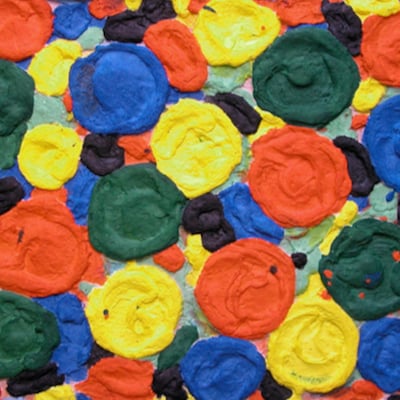
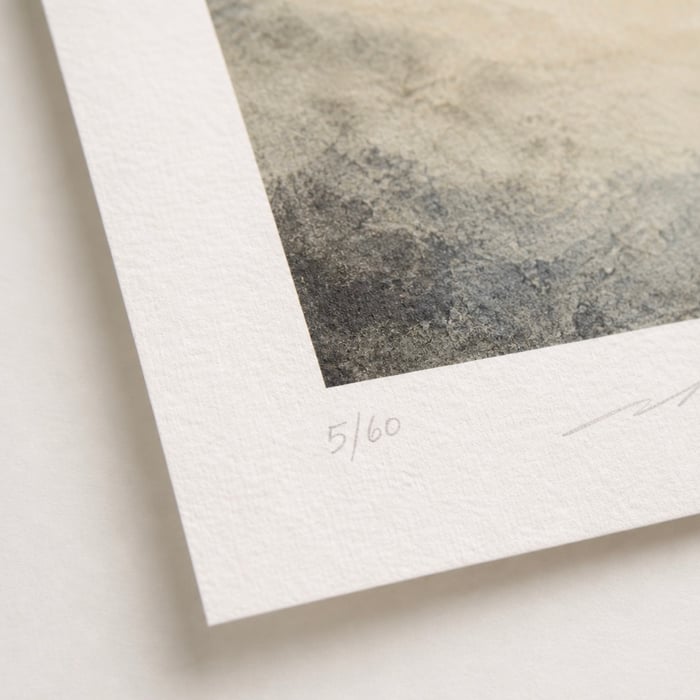
L'aquagravure est une technique qui combine plusieurs processus. Elle consiste à comprimer de la pâte à papier humide dans un moule en bois sculpté jusqu'à ce que l'eau s'en écoule. Le papier comprimé est ensuite peint, et de l'encre est ajoutée au moule pour imprimer sur le papier peint. L'œuvre finale est ensuite laissée à sécher. Cette méthode produit un effet textural et visuel unique, combinant des éléments de gravure et de fabrication de papier.

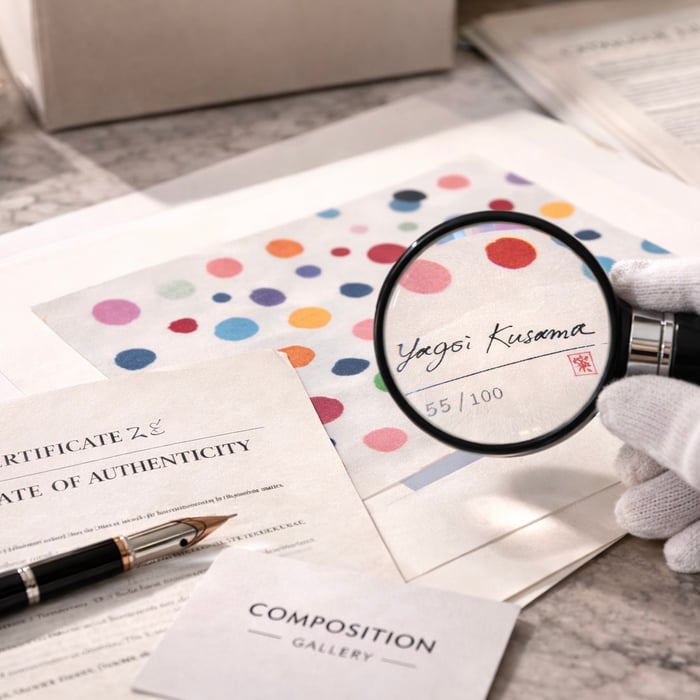
L'intaille est une technique d'impression où un motif est incisé sous la surface d'une plaque de métal ou de pierre. L'encre est appliquée sur la plaque, remplissant les lignes ou dépressions incisées, tandis que la surface est nettoyée. L'encre dans les dépressions est ensuite transférée sur le papier à l'aide d'une presse à gravure. Les techniques d'intaille courantes incluent la gravure, l'eau-forte et la pointe sèche.
Vous ne trouvez pas votre réponse ?
Merci ! Votre question a été envoyée — nous vous répondrons rapidement.
