

// Signal by Christian Boltanski, created in 1995, is a photographic work that juxtaposes two contrasting images: a close-up of a bumblebee on a vibrant pink rose and a portrait of a stern-looking military figure adorned with decorations, specifically a German Iron Cross. This diptych composition contrasts the natural delicacy of the bumblebee and flower with the austere formality and symbolism of military power. Boltanski’s work often explores themes of memory, history, and mortality, and here, he subtly confronts the viewer with the coexistence of beauty and authority, nature and historical weight. The contrasting subjects evoke a contemplation of life, innocence, and the complexities of human legacy.
Artwork Copyright © Christian BoltanskiChristian Boltanski (France, 1944–2021) was a conceptual artist renowned for exploring memory, loss, and identity. Using mediums like photography, installation, and found objects, he often evoked themes of the Holocaust and collective history. Boltanski’s works, such as 'Monuments' and 'Les Archives du Cœur,' resonate with haunting emotional depth and universal relevance.
Artwork Copyright © Christian BoltanskiSignal, 1995
Form
Medium
Size
- Inches
- Centimeters
Edition
Price
Available works →
- Authenticity Guaranteed
- Insured Shipping
- Online Since 2005
●
●Inventory 3146
●Signed
●Comes with gallery invoice and certificate
●Sell Us a Similar Artwork. Learn more.
// Signal by Christian Boltanski, created in 1995, is a photographic work that juxtaposes two contrasting images: a close-up of a bumblebee on a vibrant pink rose and a portrait of a stern-looking military figure adorned with decorations, specifically a German Iron Cross. This diptych composition contrasts the natural delicacy of the bumblebee and flower with the austere formality and symbolism of military power. Boltanski’s work often explores themes of memory, history, and mortality, and here, he subtly confronts the viewer with the coexistence of beauty and authority, nature and historical weight. The contrasting subjects evoke a contemplation of life, innocence, and the complexities of human legacy.
Artwork Copyright © Christian BoltanskiChristian Boltanski (France, 1944–2021) was a conceptual artist renowned for exploring memory, loss, and identity. Using mediums like photography, installation, and found objects, he often evoked themes of the Holocaust and collective history. Boltanski’s works, such as 'Monuments' and 'Les Archives du Cœur,' resonate with haunting emotional depth and universal relevance.
Artwork Copyright © Christian Boltanski- Recently Added
- Price (Low-High)
- Price (High-Low)
- Year (Low-High)
- Year (High-Low)
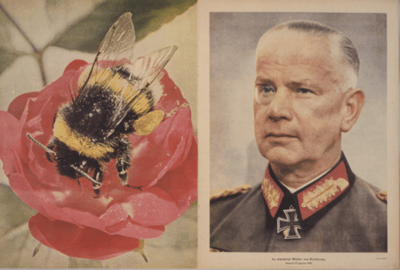
Christian Boltanski
Signal, 1995
Photography
Photograph
Currently Not Available
Related Artists
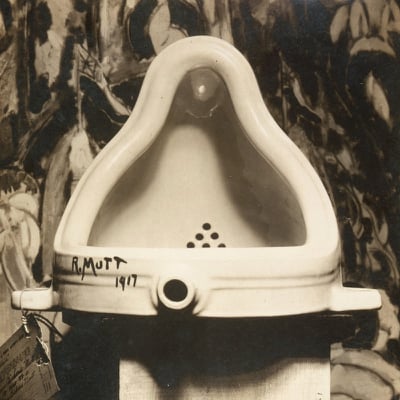
Artwork by Marcel Duchamp
What is Found Object?
A found object is a term used to describe a man-made or natural object, or a fragment of one, that an artist discovers or purchases and keeps for inspiration or as a work of art. The artist may also modify the object or incorporate it into a collage or assemblage, transforming it into a new piece of art.


Christian Boltanski
Signal, 1995
28 x 30.5 cm


