

Archival pigment print on Canson Baryt paper
David LaChapelle’s Lost and Found - Good News, Art Edition: Arch Angel Uriel from 2019 is an archival pigment print on Canson Baryt paper, measuring 16 by 12 inches. The artwork portrays the Archangel Uriel, standing majestically with wings outstretched against a lush forest backdrop, with a deep blue sky and sea visible in the distance. The angel's pose is graceful and ethereal, capturing a sense of divine presence and strength. LaChapelle’s use of vibrant colors and dramatic lighting enhances the spiritual and surreal quality of the image, blending classical symbolism with contemporary aesthetics. The halo effect around Uriel’s head adds a celestial glow, reinforcing the sacred aura of the figure in this dynamic, modern interpretation.
Artwork Copyright © David LaChapelleDavid LaChapelle (USA, 1963) is a visionary photographer and director, renowned for his surreal, colorful imagery blending pop culture, religion, and social commentary. His work spans fine art and commercial photography, featuring celebrities and vibrant narratives. LaChapelle’s style merges high fashion with hyperrealism, creating iconic, thought-provoking visual statements.
Artwork Copyright © David LaChapelleLost and Found - Good News, Art Edition: Arch Angel Uriel, 2019
Form
Medium
Size
- Inches
- Centimeters
Edition
Price
- USD
- EUR
- GBP
- CHF
- Authenticity Guaranteed
- Insured Shipping
- Online Since 2005
●Inventory 12814
●Hand Signed
●Comes with gallery invoice and certificate
●Sell Us a Similar Artwork. Learn more.
Archival pigment print on Canson Baryt paper
David LaChapelle’s Lost and Found - Good News, Art Edition: Arch Angel Uriel from 2019 is an archival pigment print on Canson Baryt paper, measuring 16 by 12 inches. The artwork portrays the Archangel Uriel, standing majestically with wings outstretched against a lush forest backdrop, with a deep blue sky and sea visible in the distance. The angel's pose is graceful and ethereal, capturing a sense of divine presence and strength. LaChapelle’s use of vibrant colors and dramatic lighting enhances the spiritual and surreal quality of the image, blending classical symbolism with contemporary aesthetics. The halo effect around Uriel’s head adds a celestial glow, reinforcing the sacred aura of the figure in this dynamic, modern interpretation.
Artwork Copyright © David LaChapelleDavid LaChapelle (USA, 1963) is a visionary photographer and director, renowned for his surreal, colorful imagery blending pop culture, religion, and social commentary. His work spans fine art and commercial photography, featuring celebrities and vibrant narratives. LaChapelle’s style merges high fashion with hyperrealism, creating iconic, thought-provoking visual statements.
Artwork Copyright © David LaChapelle- Recently Added
- Price (Low-High)
- Price (High-Low)
- Year (Low-High)
- Year (High-Low)

David LaChapelle
First I need your hand then forever can begin, 2009
Photography
C-Print
USD 11,900

David LaChapelle
Lost and Found - Good News, Art Edition: Arch Angel Uriel, 2019
Limited Edition Print
Archival Print
USD 2,950

David LaChapelle
Anna Kournikova: The Courts Free, 1998
Photography
Lithograph
USD 13,750
Related Artists


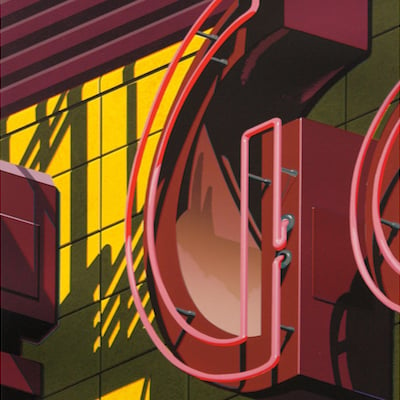
Artwork by Robert Cottingham
What is Hyper-realism?
Hyperrealism is a genre of sculpture and painting that closely resembles high-resolution photographs. It is an evolution of Photorealism and is often applied to an independent art style or movement that became prominent in Europe and the United States in the early 2000s. Hyperrealist artists focus on extreme detail and precision, creating works that are often indistinguishable from real-life images.

David LaChapelle
Lost and Found - Good News, Art Edition: Arch Angel Uriel, 2019
40.6 x 30.5 cm


