

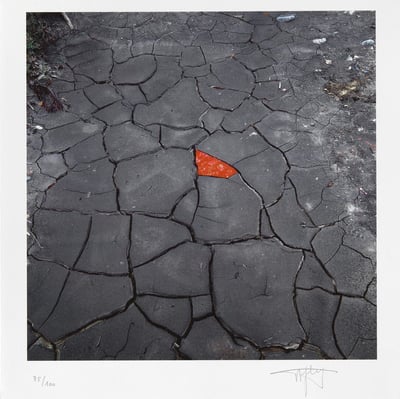
Black and Red Column, 1998
Form
Medium
Size
- Inches
- Centimeters
Edition
Price
- Authenticity Guaranteed
- Insured Shipping
- Online Since 2005
- Recently Added
- Price (Low-High)
- Price (High-Low)
- Year (Low-High)
- Year (High-Low)
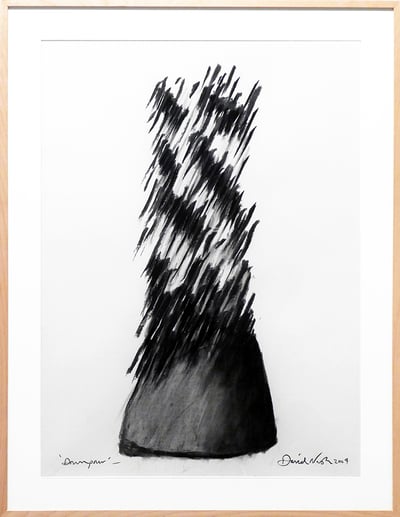
David Nash
Downpour, 2004
Drawing / Watercolor
Charcoal
Inquire For Price
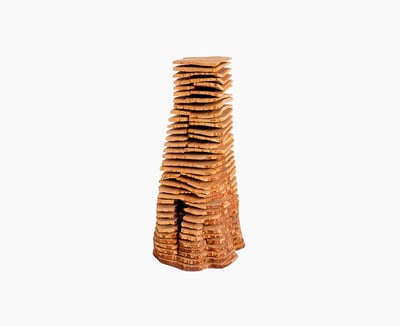
David Nash
Birch crack and warp column, 1999
Sculpture / Object
Wood
Inquire For Price
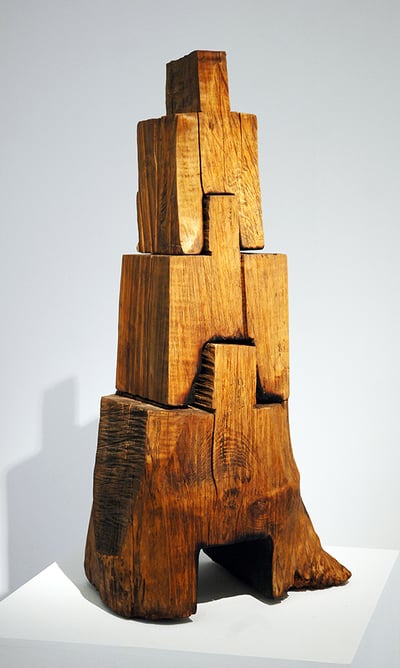
David Nash
Tongue and groove stove, 1983
Sculpture / Object
Wood
Inquire For Price
Available works by David Nash
See all →David Nash
Downpour, 2004
Drawing / Watercolor
Charcoal
Inquire For Price
David Nash
Birch crack and warp column, 1999
Sculpture / Object
Wood
Inquire For Price
David Nash
Tongue and groove stove, 1983
Sculpture / Object
Wood
Inquire For Price
Related Artists



What is new British Sculpture?
New British Sculpture is the name referring to the work produced by a group of sculptors, installation artists, and other creators who exhibited together in London during the 1980s. This group included artists like Richard Deacon, Richard Wentworth, and Tony Cragg. Tim Woods helped define this movement by identifying four major themes: the blending of kitsch and pop culture, the use of UK urban waste in a bricolage style, the assignment of new meanings to everyday objects, and a playful approach using wit and humor.


