

Magnificent wooden sculpture.
Tongue and Groove Stove by David Nash, crafted in 1983, showcases the artist’s profound skill in working with wood and his deep appreciation for its natural forms. This sculpture is constructed with interlocking wooden blocks, each cut with precision to fit together in a manner reminiscent of traditional carpentry techniques like tongue and groove joints. The earthy tones and rich grain of the wood are highlighted, emphasizing the organic texture and structure. The staggered, tower-like form creates a balance between rustic strength and refined craftsmanship. Nash’s work often explores themes of growth, connection, and transformation, and this piece exemplifies these concepts, presenting wood as both a functional material and an artistic medium with expressive potential.
Artwork Copyright © David NashDavid Nash (UK, 1945) is a renowned sculptor and land artist celebrated for his work with wood and natural materials. His sculptures often engage with themes of growth, decay, and transformation, reflecting his deep connection to the environment. Iconic works like Ash Dome showcase his commitment to sustainable art and ecological concerns.
Artwork Copyright © David NashTongue and groove stove, 1983
Form
Medium
Size
- Inches
- Centimeters
Edition
Price
- Authenticity Guaranteed
- Insured Shipping
- Online Since 2005
●Inventory 4839
●Signed
●Comes with gallery invoice and certificate
●Sell Us a Similar Artwork. Learn more.
Magnificent wooden sculpture.
Tongue and Groove Stove by David Nash, crafted in 1983, showcases the artist’s profound skill in working with wood and his deep appreciation for its natural forms. This sculpture is constructed with interlocking wooden blocks, each cut with precision to fit together in a manner reminiscent of traditional carpentry techniques like tongue and groove joints. The earthy tones and rich grain of the wood are highlighted, emphasizing the organic texture and structure. The staggered, tower-like form creates a balance between rustic strength and refined craftsmanship. Nash’s work often explores themes of growth, connection, and transformation, and this piece exemplifies these concepts, presenting wood as both a functional material and an artistic medium with expressive potential.
Artwork Copyright © David NashDavid Nash (UK, 1945) is a renowned sculptor and land artist celebrated for his work with wood and natural materials. His sculptures often engage with themes of growth, decay, and transformation, reflecting his deep connection to the environment. Iconic works like Ash Dome showcase his commitment to sustainable art and ecological concerns.
Artwork Copyright © David Nash- Recently Added
- Price (Low-High)
- Price (High-Low)
- Year (Low-High)
- Year (High-Low)
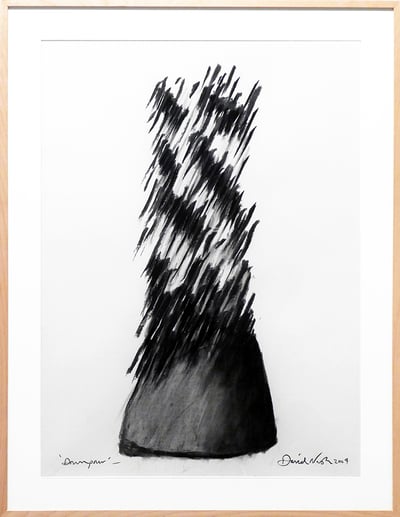
David Nash
Downpour, 2004
Drawing / Watercolor
Charcoal
Inquire For Price
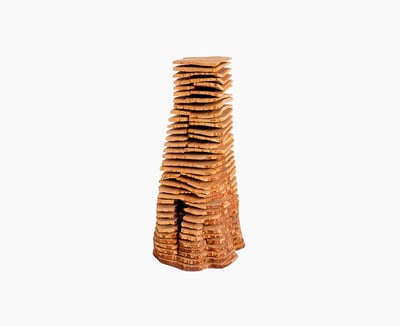
David Nash
Birch crack and warp column, 1999
Sculpture / Object
Wood
Inquire For Price
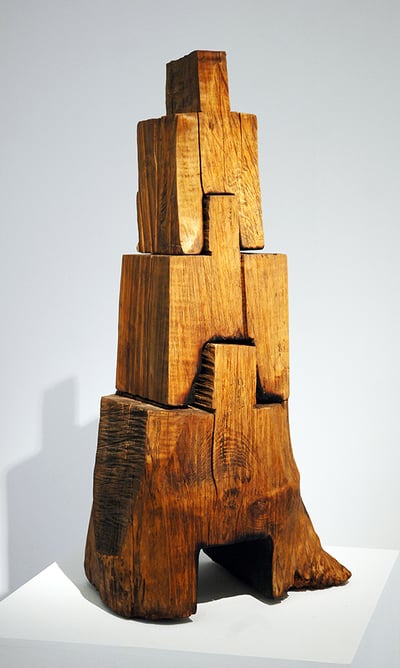
David Nash
Tongue and groove stove, 1983
Sculpture / Object
Wood
Inquire For Price
Related Artists
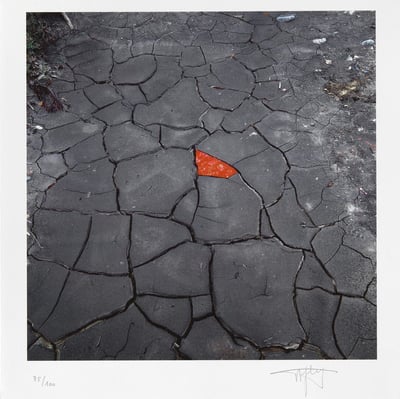




Artwork © Javacheff Christo; Jeanne-Claude; W.Volz
What is Emphemeral Art?
Ephemeral art is a type of art that occurs only once and typically lasts for a very short period. It cannot be displayed as a traditional work of art in a gallery or museum. Examples of ephemeral art include performances, happenings, sound sculptures, flyers, and mass-produced items. This art form emphasizes the transient nature of the experience, existing only in the moment and often leaving no lasting physical trace.



