

lithograph printed in colors, 1971, signed in pencil, dated, titled and numbered from the edition of 50, printed at the the Nova Scotia College of Art and Design Lithography Workshop, with the blindstamp of the collaborating master printer, Robert Rogers, in the lower-right sheet corner, on Arches paper; in very good condition with full margins
- image 22 x 18 inches -
sheet 30 x 22 1/2 inches
Artwork Copyright © Dennis OppenheimDennis Oppenheim (USA, 1938–2011) was a conceptual artist and sculptor known for his groundbreaking work in land art, performance, and public installations. Blending humor and social commentary, his projects ranged from ephemeral earthworks to monumental sculptures. Oppenheim’s innovative approach challenged the boundaries of contemporary art.
Artwork Copyright © Dennis OppenheimStills from Aspen Projects #1, 1971
Form
Medium
Size
- Inches
- Centimeters
Edition
Price
Available works →
- Authenticity Guaranteed
- Insured Shipping
- Online Since 2005
●
●Inventory 5606
●Signed
●Comes with gallery invoice and certificate
●Sell Us a Similar Artwork. Learn more.
lithograph printed in colors, 1971, signed in pencil, dated, titled and numbered from the edition of 50, printed at the the Nova Scotia College of Art and Design Lithography Workshop, with the blindstamp of the collaborating master printer, Robert Rogers, in the lower-right sheet corner, on Arches paper; in very good condition with full margins
- image 22 x 18 inches -
sheet 30 x 22 1/2 inches
Artwork Copyright © Dennis OppenheimDennis Oppenheim (USA, 1938–2011) was a conceptual artist and sculptor known for his groundbreaking work in land art, performance, and public installations. Blending humor and social commentary, his projects ranged from ephemeral earthworks to monumental sculptures. Oppenheim’s innovative approach challenged the boundaries of contemporary art.
Artwork Copyright © Dennis Oppenheim- Recently Added
- Price (Low-High)
- Price (High-Low)
- Year (Low-High)
- Year (High-Low)
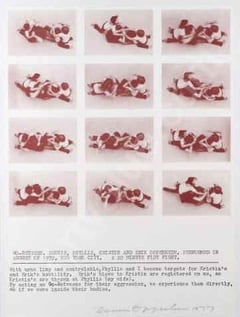
Dennis Oppenheim
Go Beteween, 1977
Limited Edition Print
Lithograph
EUR 940
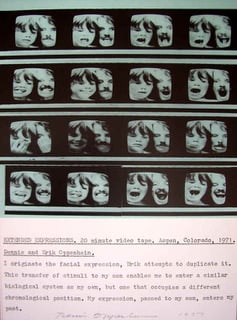
Dennis Oppenheim
Extended Expressions, 1976
Limited Edition Print
Lithograph
EUR 940
Available works by Dennis Oppenheim
See all →Dennis Oppenheim
Go Beteween, 1977
Limited Edition Print
Lithograph
EUR 940
Dennis Oppenheim
Extended Expressions, 1976
Limited Edition Print
Lithograph
EUR 940
Related Artists

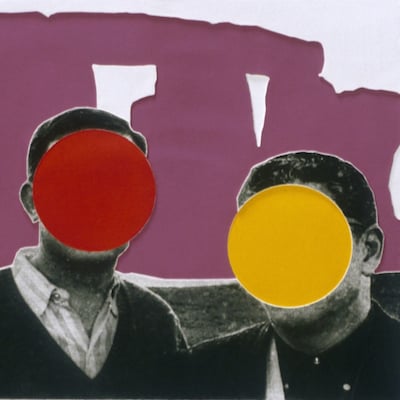
Artwork by John Baldessari
What is conceptual art?
Sometimes referred to as Conceptualism, this is an art form where the idea(s) or concept(s) behind the work take precedence over material concerns and traditional aesthetics. Many conceptual artworks can be created by anyone simply by following written instructions. The concept or idea is the most essential aspect of the artwork.


