

Ink and acrylic on paper, hand signed by the artist.
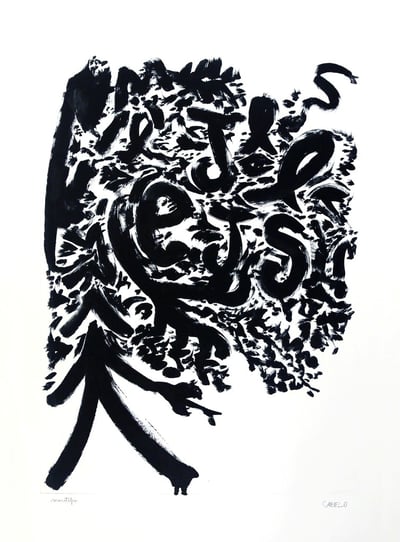
Ernesto Neto's Untitled (1999) is a mixed media piece featuring ink and acrylic on paper. The artwork is characterized by an organic, fluid shape in deep black, which dominates the composition. The dark form resembles a soft, elongated loop with blurred, feathered edges that gradually dissipate into the surrounding white space, evoking a sense of movement and flow. The contrast between the intense black and the empty, light background creates a striking visual impact. The central shape feels both abstract and suggestive of natural forms, typical of Neto’s work, which often explores themes of biology, the human body, and organic matter. The softness of the edges and the subtle gradations of tone give the piece a serene, almost meditative quality, inviting viewers to contemplate the balance between form and void.
Artwork Copyright © Ernesto NetoErnesto Neto (Brazil, 1964) is a leading contemporary artist known for his immersive, organic installations. Using materials like fabric, spices, and sand, his works invite sensory exploration and interaction, often evoking themes of nature, spirituality, and community. Neto’s art bridges the physical and emotional, creating spaces for reflection and connection.
Artwork Copyright © Ernesto NetoUntitled, 1999
Form
Medium
Size
- Inches
- Centimeters
Edition
Price
- Authenticity Guaranteed
- Insured Shipping
- Online Since 2005
●Inventory 13759
●Signed
●Comes with gallery invoice and certificate
●Sell Us a Similar Artwork. Learn more.
Ink and acrylic on paper, hand signed by the artist.
Ernesto Neto's Untitled (1999) is a mixed media piece featuring ink and acrylic on paper. The artwork is characterized by an organic, fluid shape in deep black, which dominates the composition. The dark form resembles a soft, elongated loop with blurred, feathered edges that gradually dissipate into the surrounding white space, evoking a sense of movement and flow. The contrast between the intense black and the empty, light background creates a striking visual impact. The central shape feels both abstract and suggestive of natural forms, typical of Neto’s work, which often explores themes of biology, the human body, and organic matter. The softness of the edges and the subtle gradations of tone give the piece a serene, almost meditative quality, inviting viewers to contemplate the balance between form and void.
Artwork Copyright © Ernesto NetoErnesto Neto (Brazil, 1964) is a leading contemporary artist known for his immersive, organic installations. Using materials like fabric, spices, and sand, his works invite sensory exploration and interaction, often evoking themes of nature, spirituality, and community. Neto’s art bridges the physical and emotional, creating spaces for reflection and connection.
Artwork Copyright © Ernesto Neto- Recently Added
- Price (Low-High)
- Price (High-Low)
- Year (Low-High)
- Year (High-Low)

Ernesto Neto
Untitled, 1999
Drawing / Watercolor
Mixed Media
Inquire For Price
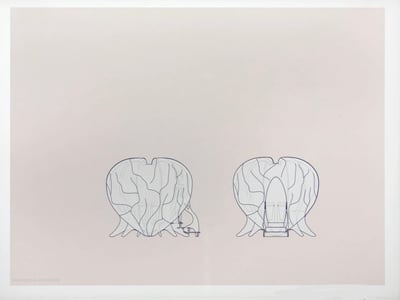
Ernesto Neto
Two hearts and one body, 2010
Limited Edition Print
Lithograph
Currently Not Available
Related Artists


Artwork by Miles Aldridge
What is contemporary art?
Contemporary art refers to avant-garde or innovative art created in the recent past or present day. The exact starting point of contemporary art varies depending on the institution, often tied to the founding year of museums or galleries that showcase the style. Contemporary art is characterized by its focus on current ideas, diverse media, and the exploration of new concepts and techniques.

Ernesto Neto
Untitled, 1999
54.5 x 74.5 cm


