

Offset Lithograph
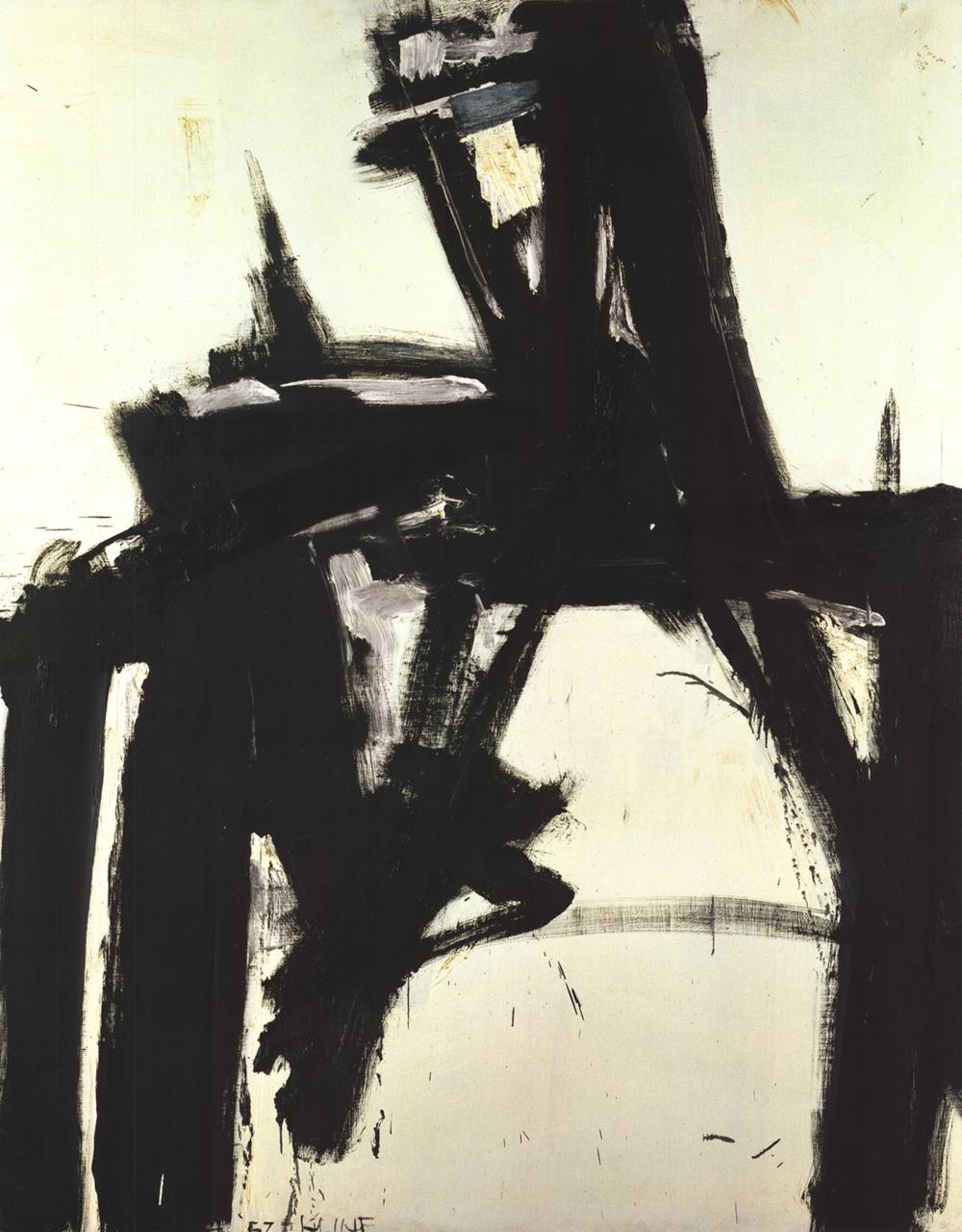
This untitled piece by Franz Kline, presented as an offset lithograph, exemplifies his characteristic style of gestural abstraction, where bold, dynamic black strokes dominate the canvas against a lighter background. Originally influential in the Abstract Expressionist movement, Kline's work is known for its raw energy and architectural lines. This composition, with its thick black brushstrokes intersecting at varying angles, suggests movement and structure, reminiscent of urban landscapes or industrial forms. The stark contrast between black and white highlights the tension and dynamism within the piece, embodying Kline’s exploration of spontaneity, intensity, and the emotive potential of abstract forms.
Artwork Copyright © Franz KlineFranz Kline (USA, 1910–1962) was a leading Abstract Expressionist painter known for his bold, black-and-white compositions. His dynamic, gestural brushstrokes created powerful, monumental works inspired by urban landscapes and architectural forms. Kline’s art emphasized energy and spontaneity, making him a key figure in postwar American art.
Artwork Copyright © Franz KlineUntitled, 1997
Form
Medium
Size
- Inches
- Centimeters
Price
Available works →
- Authenticity Guaranteed
- Insured Shipping
- Online Since 2005
●
●Inventory 8142
●Signed
●Comes with gallery invoice and certificate
●Sell Us a Similar Artwork. Learn more.
Offset Lithograph
This untitled piece by Franz Kline, presented as an offset lithograph, exemplifies his characteristic style of gestural abstraction, where bold, dynamic black strokes dominate the canvas against a lighter background. Originally influential in the Abstract Expressionist movement, Kline's work is known for its raw energy and architectural lines. This composition, with its thick black brushstrokes intersecting at varying angles, suggests movement and structure, reminiscent of urban landscapes or industrial forms. The stark contrast between black and white highlights the tension and dynamism within the piece, embodying Kline’s exploration of spontaneity, intensity, and the emotive potential of abstract forms.
Artwork Copyright © Franz KlineFranz Kline (USA, 1910–1962) was a leading Abstract Expressionist painter known for his bold, black-and-white compositions. His dynamic, gestural brushstrokes created powerful, monumental works inspired by urban landscapes and architectural forms. Kline’s art emphasized energy and spontaneity, making him a key figure in postwar American art.
Artwork Copyright © Franz Kline- Recently Added
- Price (Low-High)
- Price (High-Low)
- Year (Low-High)
- Year (High-Low)

Franz Kline
Untitled, 1997
Limited Edition Print
Offset Print
Currently Not Available
Related Artists


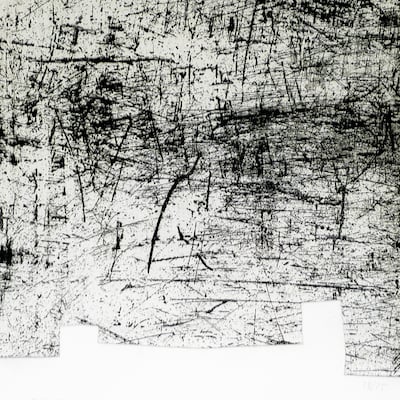
Artwork by Eduardo Chillida
What is abstract art?
Abstract art uses form, shape, line, and color to create a visual experience without attempting to represent external reality. The composition exists independently of the world's visual references, focusing on expressing ideas and emotions through non-representational means.
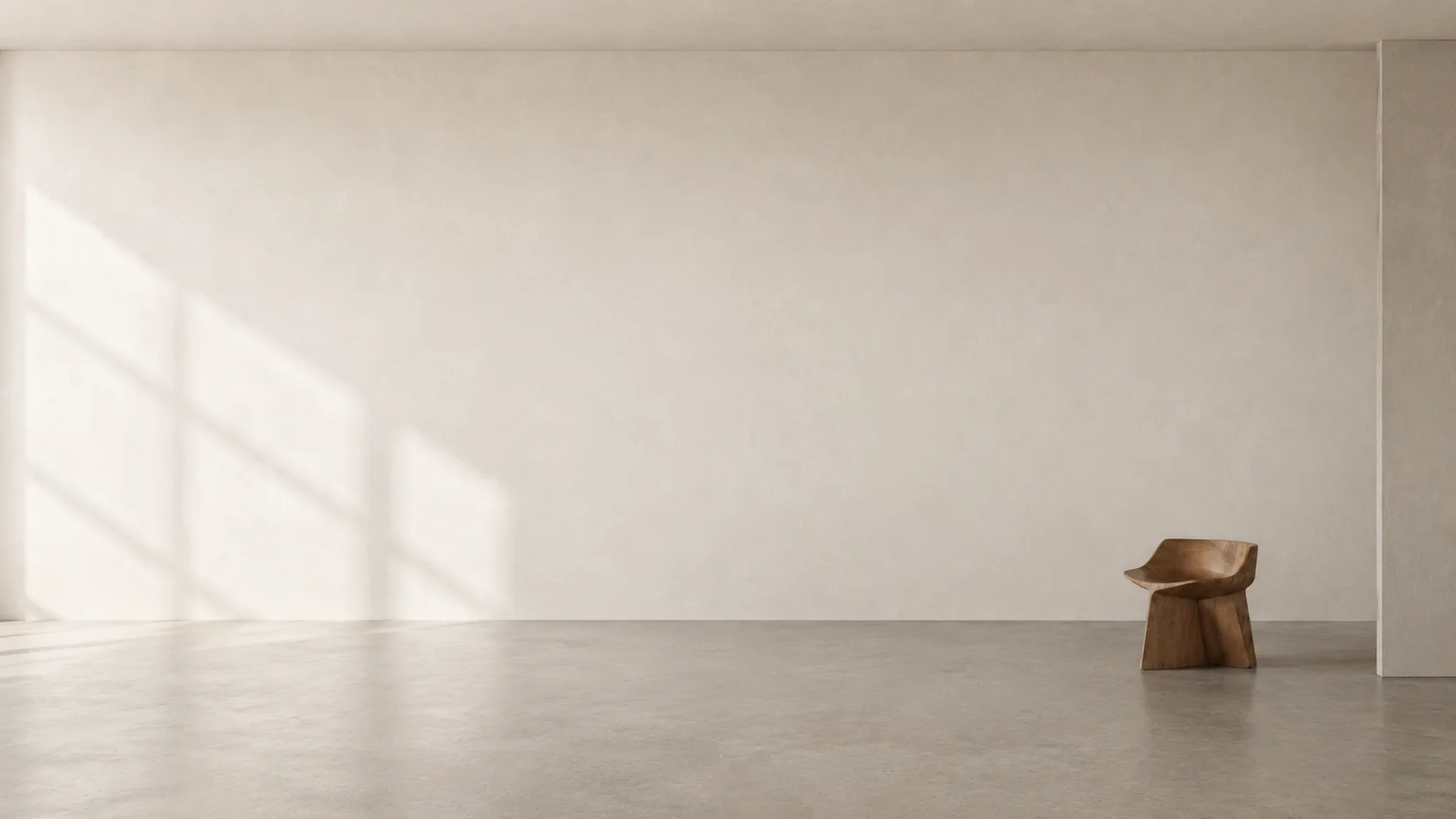
Franz Kline
Untitled, 1997
35 x 28 cm


