
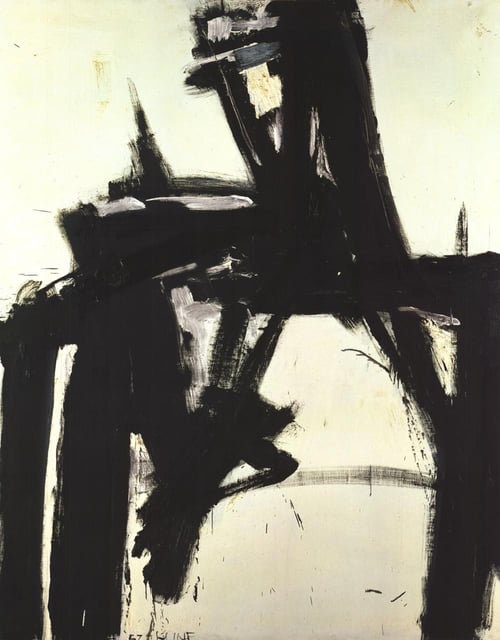
Franz Kline
Franz Kline (USA, 1910–1962) was a leading Abstract Expressionist painter known for his bold, black-and-white compositions. His dynamic, gestural brushstrokes created powerful, monumental works inspired by urban landscapes and architectural forms. Kline’s art emphasized energy and spontaneity, making him a key figure in postwar American art.
© Franz Kline. All rights reserved.
- Recently Added
- Price (Low-High)
- Price (High-Low)
- Year (Low-High)
- Year (High-Low)

Franz Kline
Untitled, 1997
Limited Edition Print
Offset Print
Currently Not Available
No sold works to show.
If you're a painter, you're not alone. There's no way to be alone.
- Franz Kline
- Franz Kline
Franz Kline was an American painter. He studied both illustration and painting. He incorporated both of these art forms into his distinct works of large black and white paintings. If you were to take a quick glance at one of his paintings, it would remind you of Japanese calligraphy. At first, Kline was a realist painter. He admired the works of Rembrandt.
After his arrival in New York, Willem de Kooning introduced him to abstract painting. Franz Kline became mainly associated with the Abstract Expressionist movement of the 1940s and 1950s. Monochromatic paintings of using two contrasting colors with wide brushstrokes were the recognized style of Kline's works. He was asked by art patrons why did he only use black.
He replied, "People sometimes think I take a canvas and paint a black sign on it, but this is not true,the white is painted as well as the black, and it is just as important." He used thick layers of paints to form his signature aggressive and energetic lines.His gestural pieces, such as Nijinsky and Mahoning reflected this style. His style differed from his peers. Kline did not use their spontaneous mark-making method. First, Kline sketched his ideas. Sometimes, he used pages from a phone book for his sketches. Then, he calculated his compositions. The end results were energetic abstractions that produced a feeling of movement. Even though, Kline explored the same innovations as other Abstract Expressionists, his work is unique in the Abstract movement, and it has been revered since the 1950s. He has influenced other Abstract artists.
After his arrival in New York, Willem de Kooning introduced him to abstract painting. Franz Kline became mainly associated with the Abstract Expressionist movement of the 1940s and 1950s. Monochromatic paintings of using two contrasting colors with wide brushstrokes were the recognized style of Kline's works. He was asked by art patrons why did he only use black.
He replied, "People sometimes think I take a canvas and paint a black sign on it, but this is not true,the white is painted as well as the black, and it is just as important." He used thick layers of paints to form his signature aggressive and energetic lines.His gestural pieces, such as Nijinsky and Mahoning reflected this style. His style differed from his peers. Kline did not use their spontaneous mark-making method. First, Kline sketched his ideas. Sometimes, he used pages from a phone book for his sketches. Then, he calculated his compositions. The end results were energetic abstractions that produced a feeling of movement. Even though, Kline explored the same innovations as other Abstract Expressionists, his work is unique in the Abstract movement, and it has been revered since the 1950s. He has influenced other Abstract artists.
Related Artists


Related Articles
Popular, Art Movements - November 20, 2024
Understanding Abstract Expressionism: Emotion and Gesture
Explore the emotional depth of Abstract Expressionism! Discover how artists like Pollock and Rothko used gesture and color to convey human complexity.Read More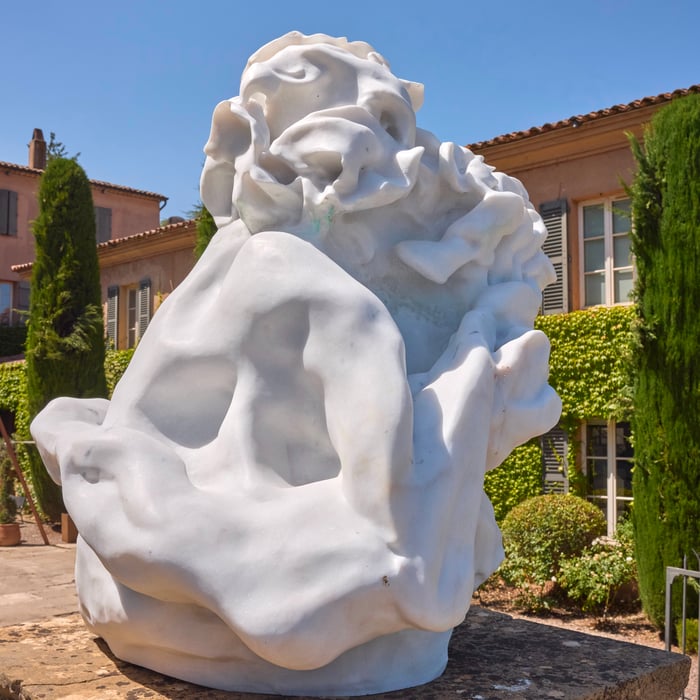
News, Popular, Collecting, Artists - August 12, 2026
In Minor Keys: Finding Intimacy and Identity at the 61st Venice Biennale — and in Your Collection
Explore how Koyo Kouoh’s 61st Venice Biennale vision, In Minor Keys, is shifting contemporary collecting toward quiet introspection, memory, and personal identi…Read More
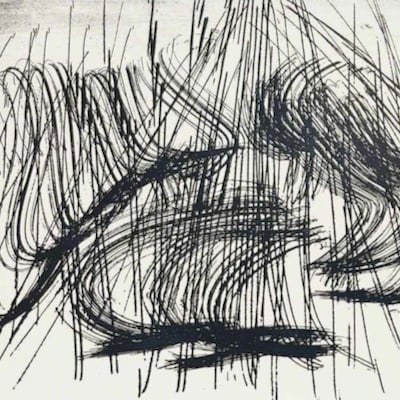 Artwork by Hans Hartung
What is automatism?
Automatism refers to a technique in the creative process that accesses material from the unconscious or subconscious mind. It is based on Sigmund Freud’s psychoanalytic method of free association. Artists value this process for its ability to inspire creative thought and spontaneous creation.
Explore »

