


Portfolio of 25 lithographs
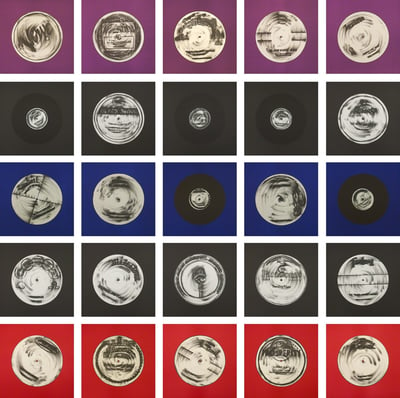
Lost Classics by Gary Simmons is a limited edition lithograph series created in 2012, consisting of 25 prints in an edition of just 15. Each square in this grid-like arrangement features a circular form resembling vinyl records, centered on a colored background that alternates between bold shades of red, blue, purple, and black. The blurred, almost ghostly imagery on each “record” evokes a sense of nostalgia, as if the images are fading memories or echoes of forgotten music. Simmons is known for exploring themes of erasure and cultural memory, and in Lost Classics, he taps into the transient nature of cultural artifacts. The distressed visuals hint at the passage of time and the loss inherent in the preservation of cultural history.
Artwork Copyright © Gary SimmonsGary Simmons (United States, 1964) is a contemporary artist renowned for his 'erasure drawings,' where he smudges chalk images on slate-painted surfaces to evoke themes of race and memory. His work spans painting, sculpture, and installation, often addressing social stereotypes. Simmons' art is featured in major institutions like the Museum of Modern Art in New York and the Museum of Contemporary Art in Chicago.
Artwork Copyright © Gary SimmonsLost Classics, 2012
Form
Medium
Size
- Inches
- Centimeters
Edition
Price
- USD
- EUR
- GBP
- CHF
- Authenticity Guaranteed
- Insured Shipping
- Online Since 2005
●Inventory 3093
●Signed
●Comes with gallery invoice and certificate
●Any questions?
Portfolio of 25 lithographs
Lost Classics by Gary Simmons is a limited edition lithograph series created in 2012, consisting of 25 prints in an edition of just 15. Each square in this grid-like arrangement features a circular form resembling vinyl records, centered on a colored background that alternates between bold shades of red, blue, purple, and black. The blurred, almost ghostly imagery on each “record” evokes a sense of nostalgia, as if the images are fading memories or echoes of forgotten music. Simmons is known for exploring themes of erasure and cultural memory, and in Lost Classics, he taps into the transient nature of cultural artifacts. The distressed visuals hint at the passage of time and the loss inherent in the preservation of cultural history.
Artwork Copyright © Gary SimmonsGary Simmons (United States, 1964) is a contemporary artist renowned for his 'erasure drawings,' where he smudges chalk images on slate-painted surfaces to evoke themes of race and memory. His work spans painting, sculpture, and installation, often addressing social stereotypes. Simmons' art is featured in major institutions like the Museum of Modern Art in New York and the Museum of Contemporary Art in Chicago.
Artwork Copyright © Gary Simmons- Recently Added
- Price (Low-High)
- Price (High-Low)
- Year (Low-High)
- Year (High-Low)
Gary Simmons
Lost Classics, 2012
Limited Edition Print
Lithograph
EUR 15,000
Related Artists

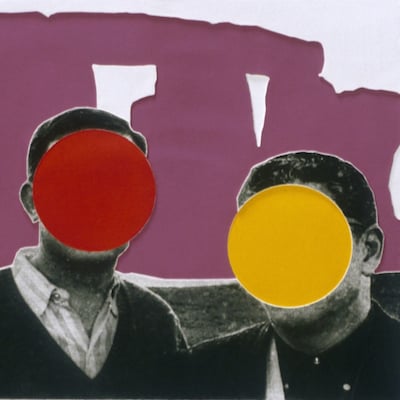
Artwork by John Baldessari
What is conceptual art?
Sometimes referred to as Conceptualism, this is an art form where the idea(s) or concept(s) behind the work take precedence over material concerns and traditional aesthetics. Many conceptual artworks can be created by anyone simply by following written instructions. The concept or idea is the most essential aspect of the artwork.

Gary Simmons
Lost Classics, 2012
43.5 x 43.5 cm


