

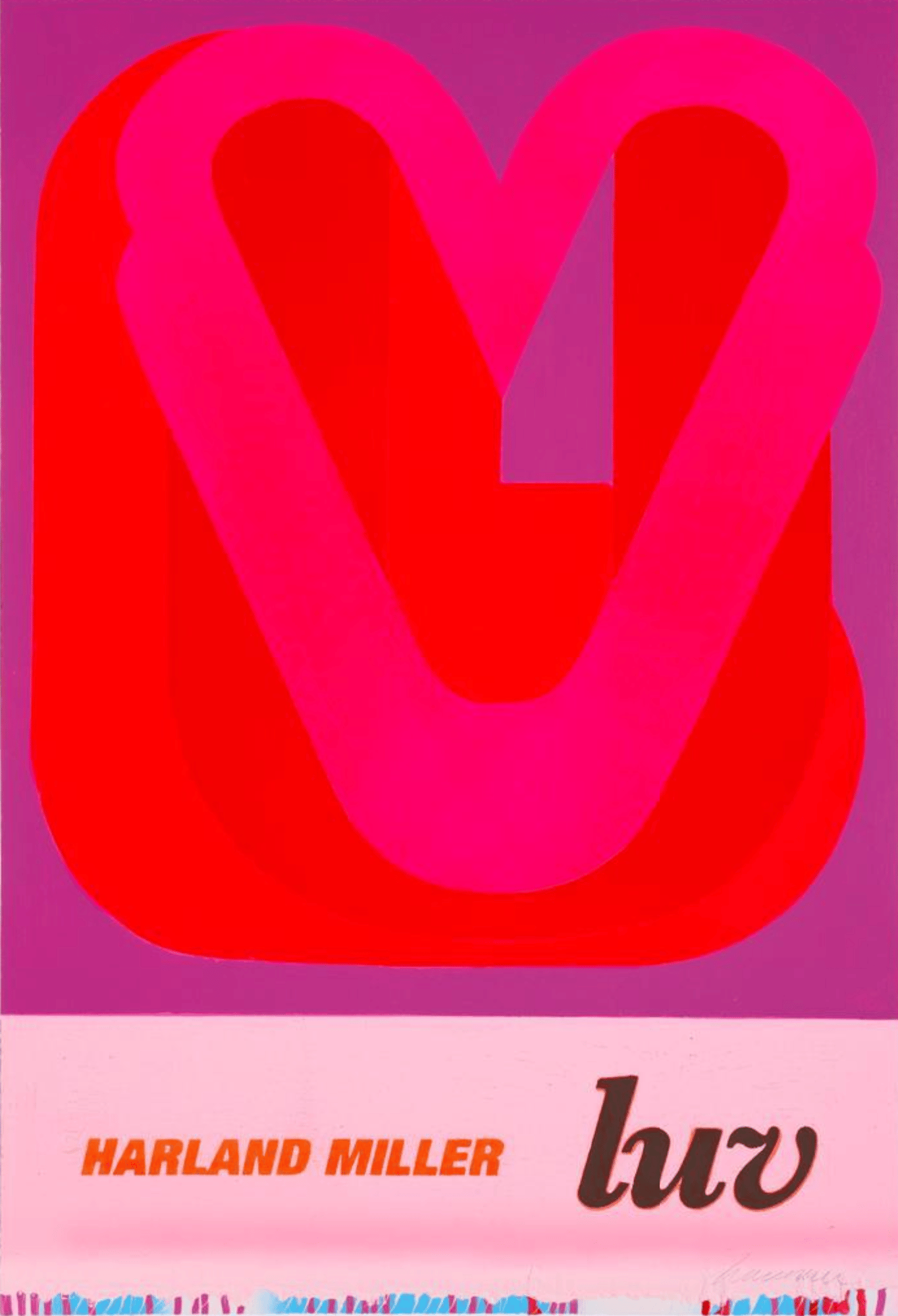
LUV, 2023
Form
Medium
Size
- Inches
- Centimeters
Edition
Price
- Authenticity Guaranteed
- Insured Shipping
- Online Since 2005
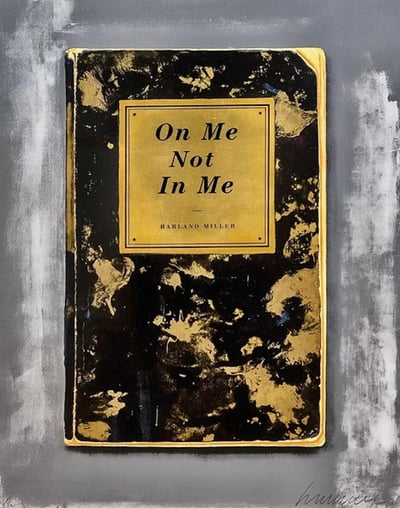
Harland Miller
On Me Not In Me, 2015
Limited Edition Print
Screen-print
GBP 24,000 - 26,000
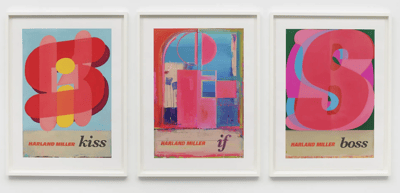
Harland Miller
3 WISHES 4 EVER, 2022
Limited Edition Print
Screen-print
Inquire For Price
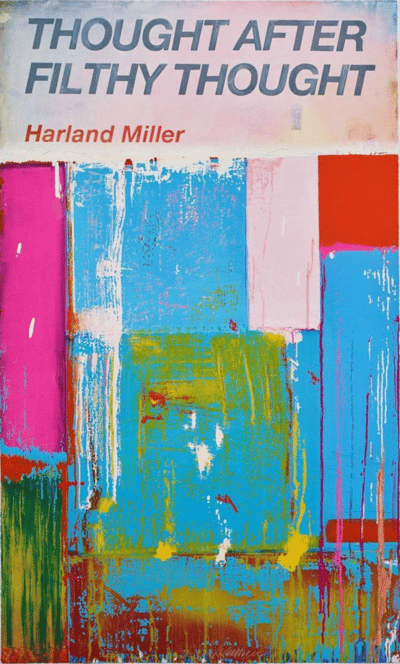
Harland Miller
Thought After Filthy Thought, 2019
Limited Edition Print
Relief printing
USD 40,000 - 50,000
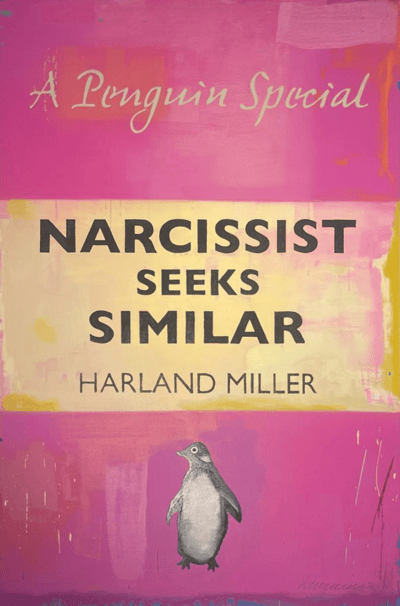
Harland Miller
Narcissist Seeks Similar, 2021
Limited Edition Print
Relief printing
USD 30,000 - 40,000
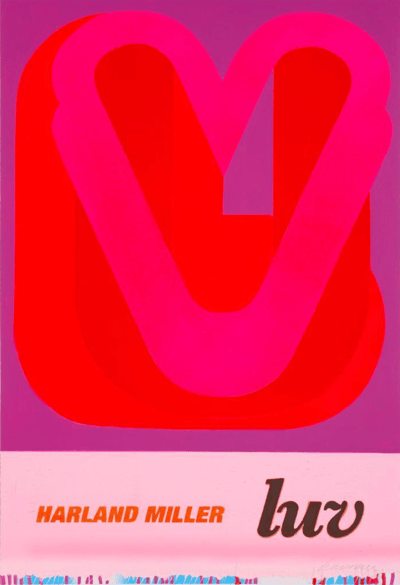
Harland Miller
LUV, 2023
Limited Edition Print
Woodcut
Inquire For Price
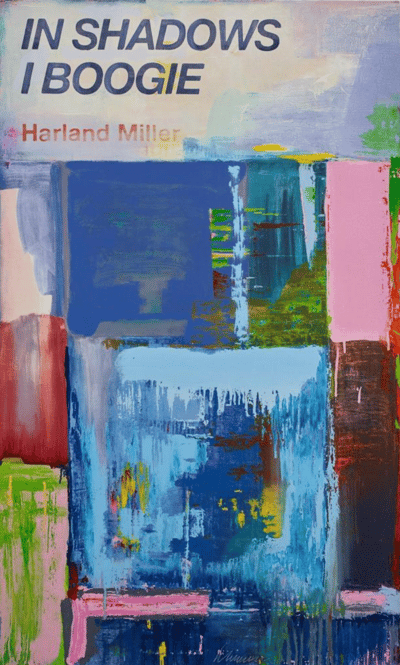
Harland Miller
In Shadows I Boogie, 2019
Limited Edition Print
Mixed Media
USD 40,000 - 50,000
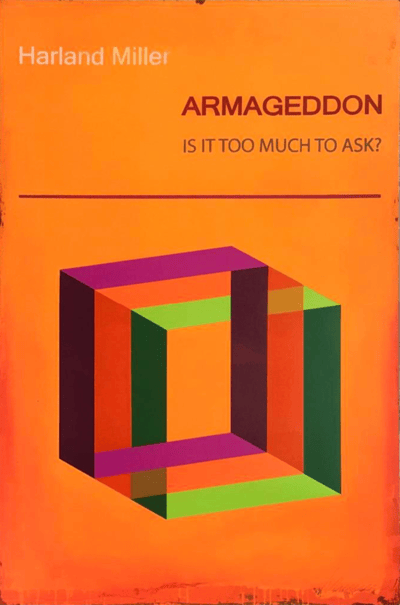
Harland Miller
Armageddon Is It Too Much To Ask?, 2017
Limited Edition Print
Mixed Media
GBP 11,000 - 14,000
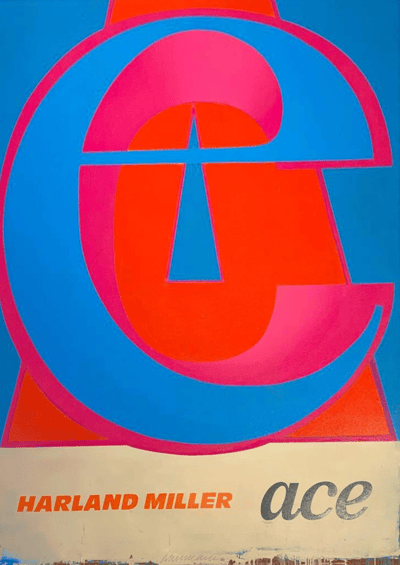
Harland Miller
Ace, 2019
Limited Edition Print
Mixed Media
USD 25,000
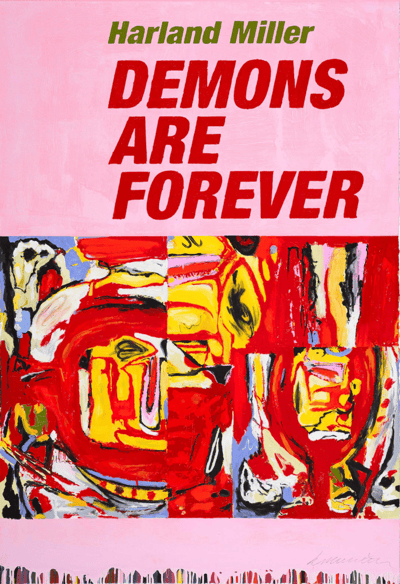
Harland Miller
Demons Are Forever, 2024
Limited Edition Print
Relief printing
Inquire For Price
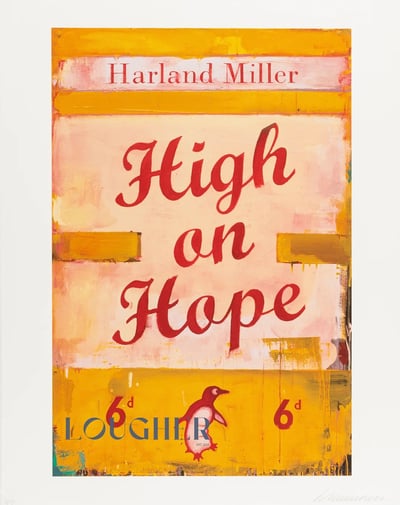
Harland Miller
High on Hope, 2019
Limited Edition Print
Screen-print
GBP 14,000
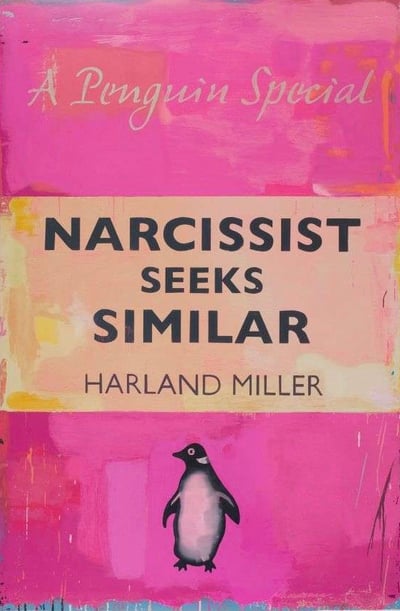
Harland Miller
Narcissist Seeks Similar (Large), 2021
Limited Edition Print
Relief printing
GBP 50,000 - 55,000
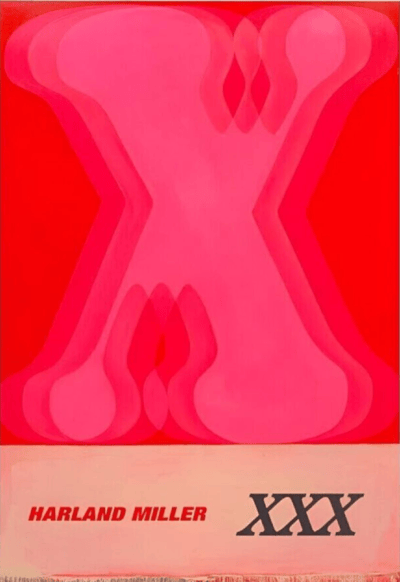
Harland Miller
XXX, 2023
Limited Edition Print
Silkscreen
GBP 11,500 - 14,000
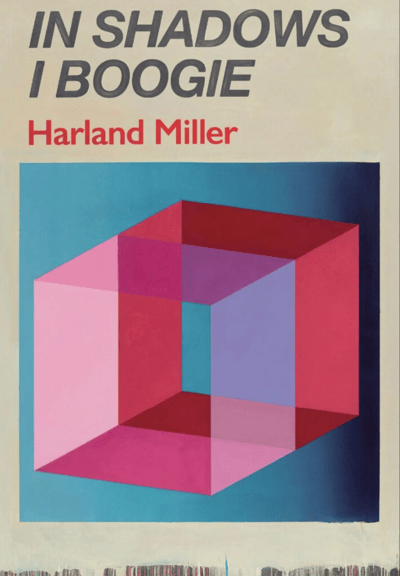
Harland Miller
In Shadows I Boogie - blue, 2019
Limited Edition Print
Etching
GBP 5,000 - 7,000
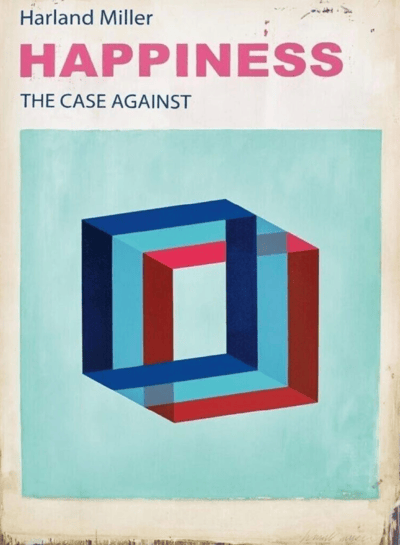
Harland Miller
Happiness (small), 2017
Limited Edition Print
Intaglio
Inquire For Price
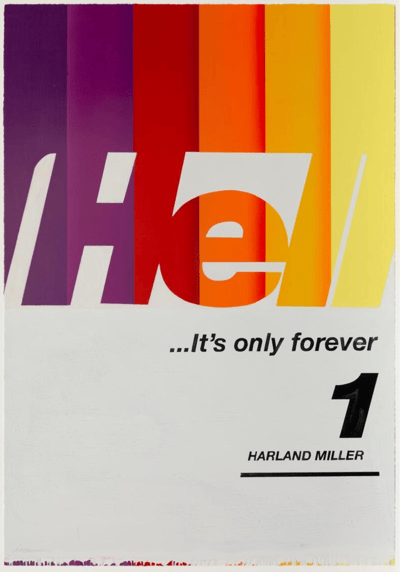
Harland Miller
Hell... It's Only Forever 1 (Large), 2020
Limited Edition Print
Woodcut
USD 25,000 - 35,000
Related Artists

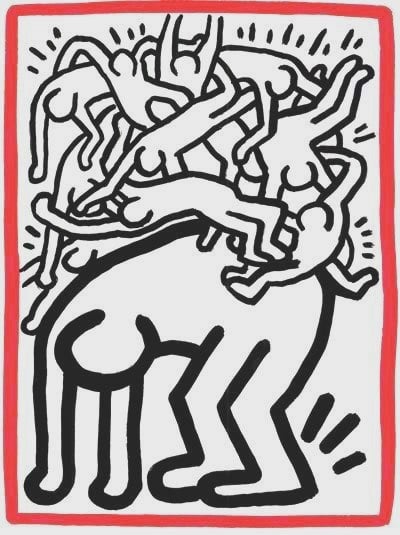
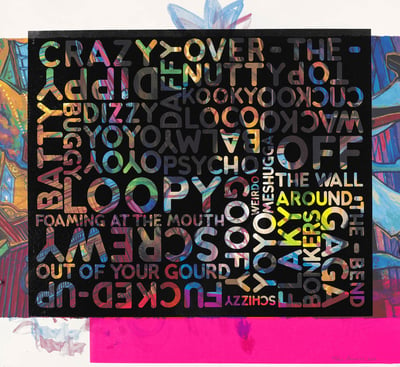
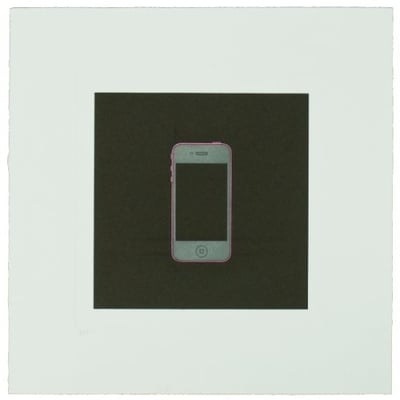

What is Lettrism?
Lettrism is an art form that uses letters, words, and symbols to create artwork. The movement was established in Paris in the 1940s and later gained popularity in the 1950s in America. Lettrisme is the French spelling of the movement's name, derived from the French word for letter.
Harland Miller
LUV, 2023
102.6 x 70.5 cm


