

With certificate signed by the artist - Pile of pure New Zealand wool and linen
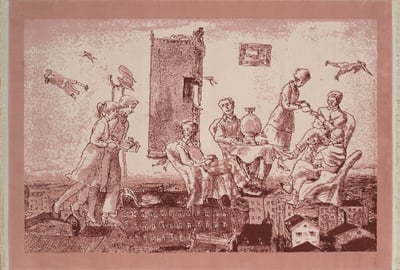
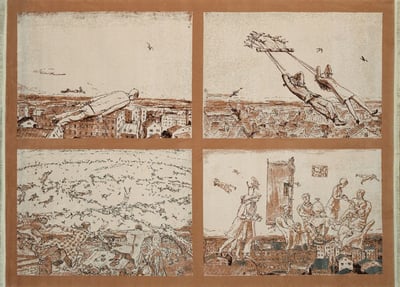
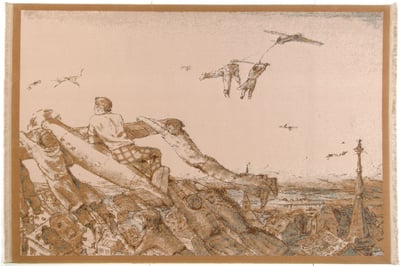
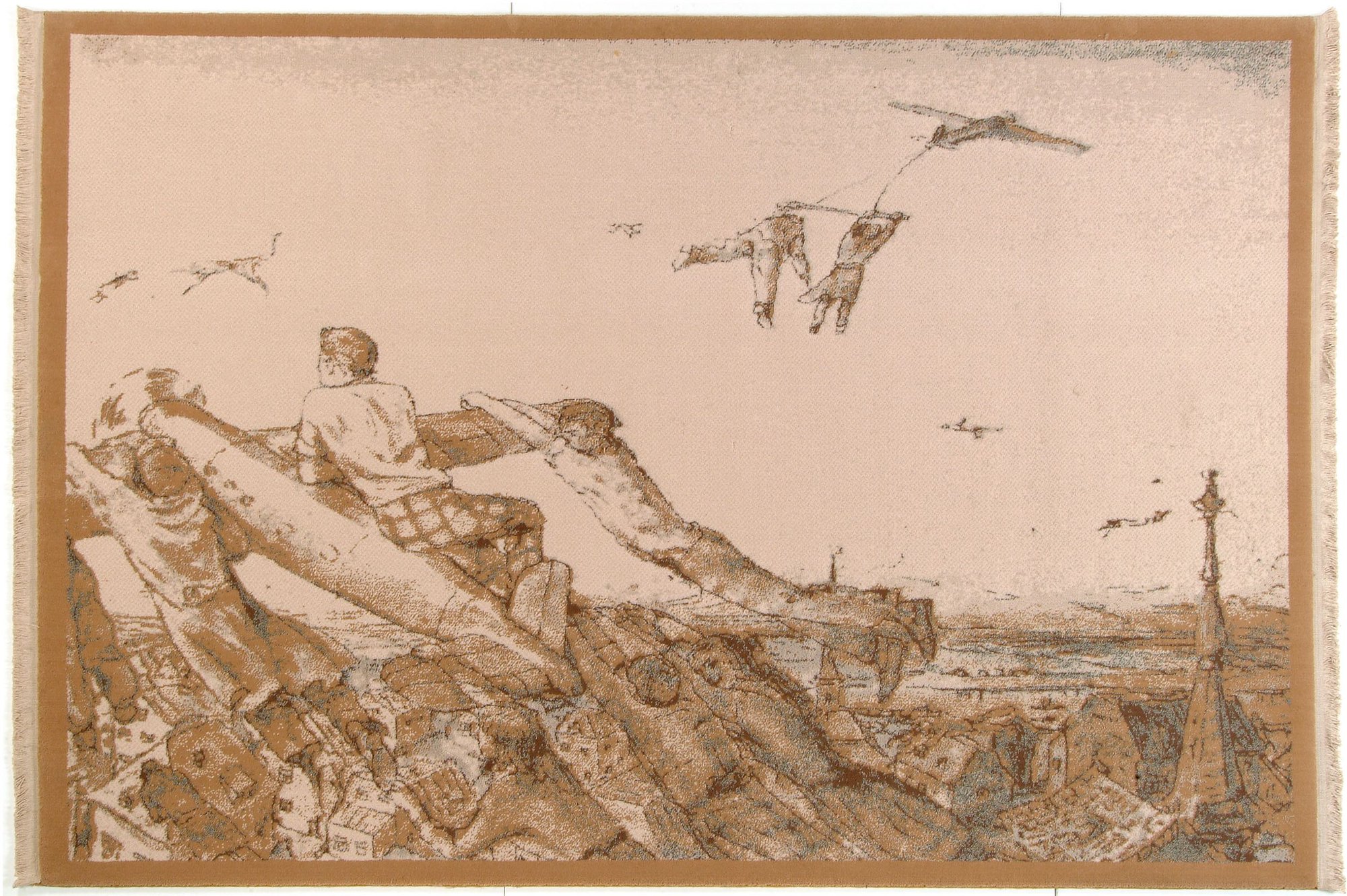
The Flying by Ilja Kabakov, created in 2006, is a tapestry that vividly depicts a surreal scene of human figures soaring above a landscape of rubble and city structures. Rendered in muted sepia tones, the composition captures a sense of both whimsy and desolation. Figures appear to be reaching out to one another or holding onto makeshift flying contraptions, embodying a sense of escape and longing for transcendence. The tapestry blends realistic details with dreamlike elements, typical of Kabakov’s style, which often explores themes of aspiration, isolation, and the human desire for freedom amidst constraint. The delicate texture and restrained color palette give the piece a nostalgic, contemplative quality, inviting viewers to reflect on the intersection of reality and imagination.
Artwork Copyright © Ilja KabakovIlya Kabakov (Ukraine, 1933–2023) was a pioneering conceptual artist known for immersive installations blending Soviet-era memories with universal themes. His works, often collaborative with his wife Emilia, explored utopia, dystopia, and human resilience. Kabakov’s art, exhibited globally, challenged narratives of identity, history, and the power of imagination.
Artwork Copyright © Ilja KabakovThe Flying, 2006
Form
Medium
Size
- Inches
- Centimeters
Edition
Price
- USD
- EUR
- GBP
- CHF
- Authenticity Guaranteed
- Insured Shipping
- Online Since 2005
●Inventory 3489
●Signed
●Comes with gallery invoice and certificate
●Any questions?
With certificate signed by the artist - Pile of pure New Zealand wool and linen
The Flying by Ilja Kabakov, created in 2006, is a tapestry that vividly depicts a surreal scene of human figures soaring above a landscape of rubble and city structures. Rendered in muted sepia tones, the composition captures a sense of both whimsy and desolation. Figures appear to be reaching out to one another or holding onto makeshift flying contraptions, embodying a sense of escape and longing for transcendence. The tapestry blends realistic details with dreamlike elements, typical of Kabakov’s style, which often explores themes of aspiration, isolation, and the human desire for freedom amidst constraint. The delicate texture and restrained color palette give the piece a nostalgic, contemplative quality, inviting viewers to reflect on the intersection of reality and imagination.
Artwork Copyright © Ilja KabakovIlya Kabakov (Ukraine, 1933–2023) was a pioneering conceptual artist known for immersive installations blending Soviet-era memories with universal themes. His works, often collaborative with his wife Emilia, explored utopia, dystopia, and human resilience. Kabakov’s art, exhibited globally, challenged narratives of identity, history, and the power of imagination.
Artwork Copyright © Ilja KabakovAvailability
Size
Form
Medium
SORT BY
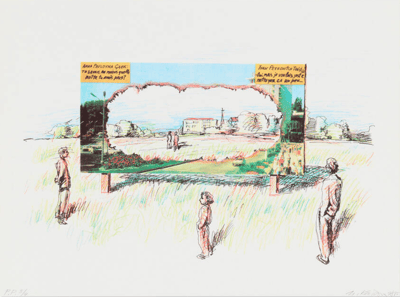
Ilja Kabakov
Untitled (From The Edge of Awareness), 1998
Limited Edition Print
Screen-print
USD 800
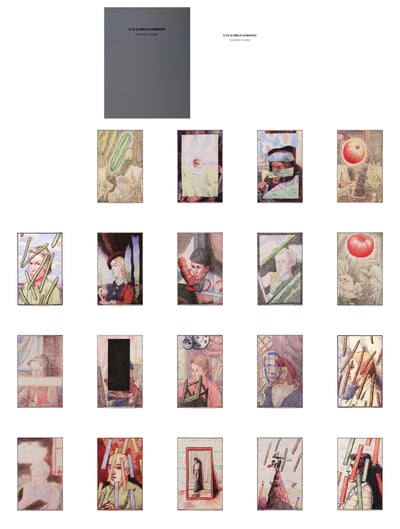
Ilja Kabakov
The artist at work, 2016
Limited Edition Print
Lithograph
EUR 40,000
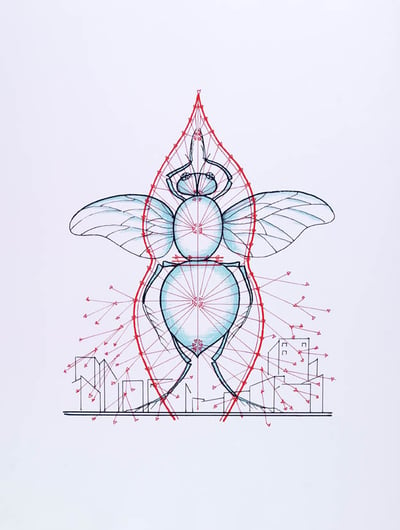
Ilja Kabakov
Untitled (Insect), 2004
Limited Edition Print
Silkscreen
EUR 1,600
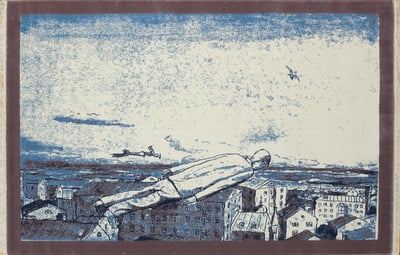
Ilja Kabakov
The Flying #4, 2006
Tapestry
Tapestry
EUR 13,500
Ilja Kabakov
The Flying #3, 2006
Tapestry
Tapestry
EUR 13,500
Ilja Kabakov
The Flying #2, 2006
Tapestry
Tapestry
EUR 24,000
Ilja Kabakov
The Flying, 2006
Tapestry
Tapestry
EUR 13,500
Ilja Kabakov
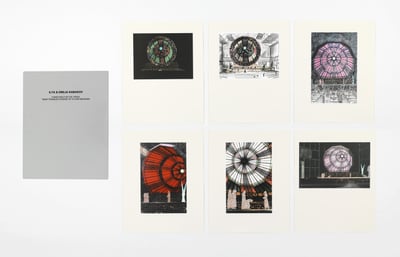
6 Sketches for the Opera Saint François Assise, 2010
Limited Edition Print
Lithograph
EUR 15,000
Related Artists
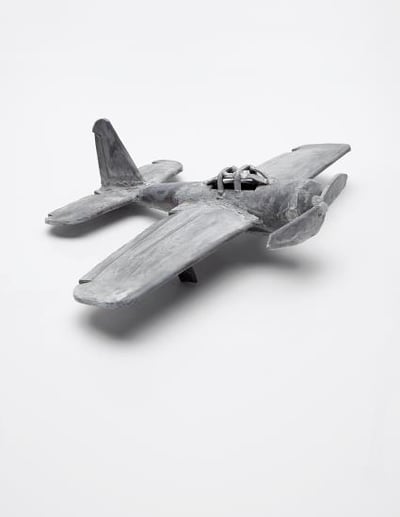
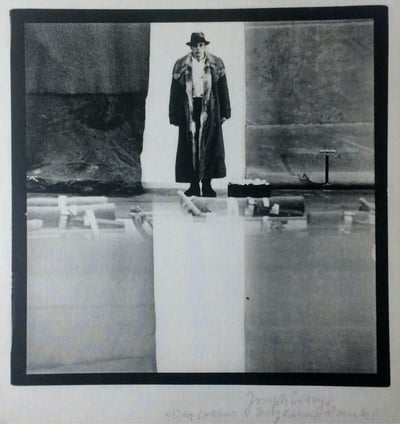
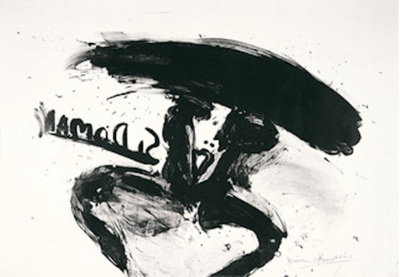
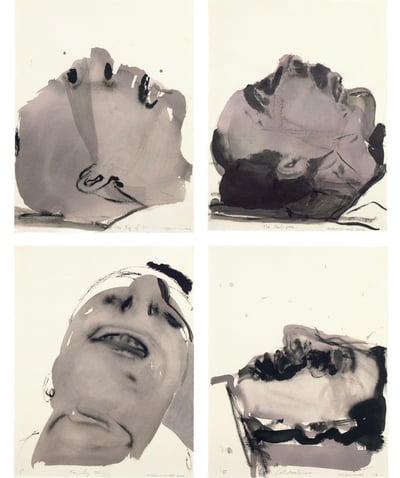
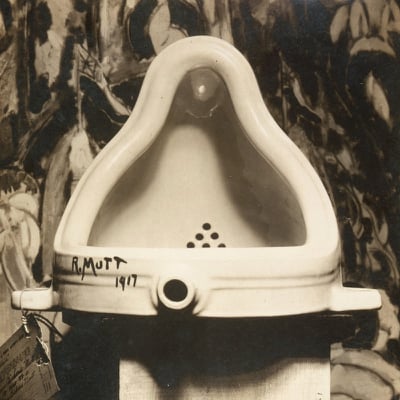
Artwork by Marcel Duchamp
What is Found Object?
A found object is a term used to describe a man-made or natural object, or a fragment of one, that an artist discovers or purchases and keeps for inspiration or as a work of art. The artist may also modify the object or incorporate it into a collage or assemblage, transforming it into a new piece of art.

Ilja Kabakov
The Flying, 2006
200 x 285 cm


