

What is Tapestry?
Tapestry is a heavy, handwoven textile featuring intricate designs or images woven directly into the fabric. Created by skilled weavers using materials like wool, linen, cotton, silk, and sometimes silver and gold threads, tapestries have historically served as art pieces, decorations, insulation, and symbols of authority.
Show All
- Show All
- Established
- Discoveries
Show All
- Show All
Artworks Related to Tapestry
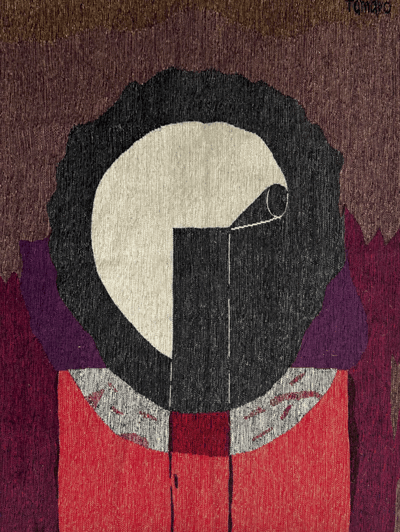
Rufino Tamayo
Untitled (Textile), 1960s
Tapestry
Tapestry
Inquire For Price

Sonia Delaunay
Labyrinthe, 1929 - 1980
Tapestry
Tapestry
EUR 12,000

Nicolas Party
Untitled (Artist's Blanket), 2017
Tapestry
Tapestry
USD 2,500

John Armleder
Gold Fish, 2016
Tapestry
Tapestry
EUR 1,400

John Armleder
Silver Fish, 2016
Tapestry
Tapestry
EUR 1,400

Andy Warhol
Silver Marilyn, 1990s
Tapestry
Tapestry
EUR 18,000

Andy Warhol
Flowers, 1968
Tapestry
Tapestry
EUR 25,000

Grayson Perry
Comfort Blanket, 2014-2023
Tapestry
Tapestry
GBP 4,500
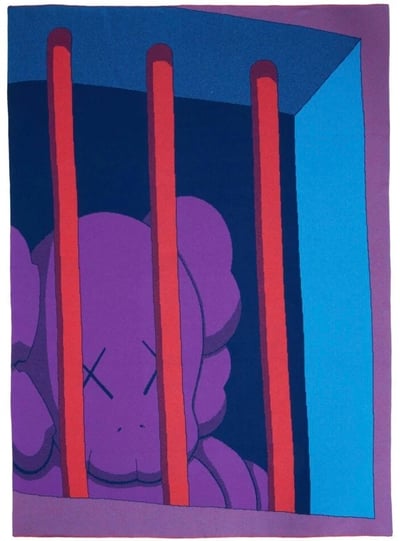
KAWS
Confined, 2022
Tapestry
Tapestry
GBP 3,950
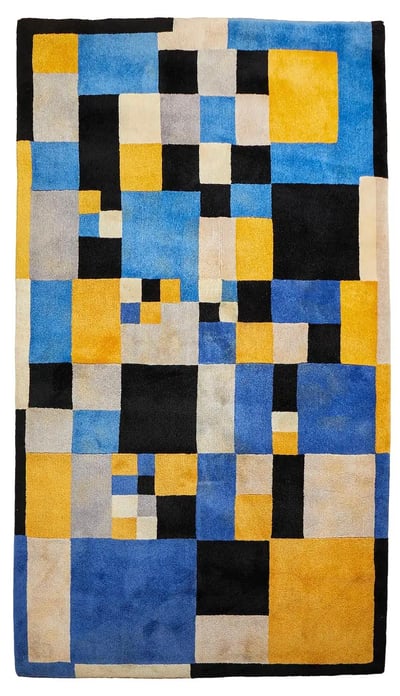
Sonia Delaunay
Carrés Magique, c. 1980
Tapestry
Tapestry
EUR 10,900

Eduardo Chillida
Untitled (tapestry), 1965
Tapestry
Tapestry
Inquire For Price
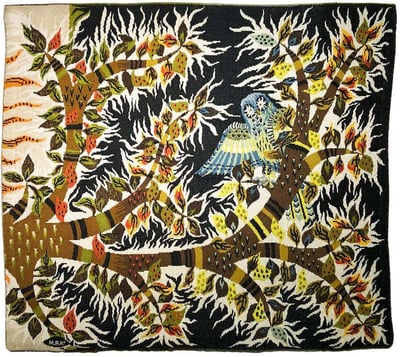
Man Ray
Nocturnal, c.1960
Tapestry
Tapestry
Currently Not Available
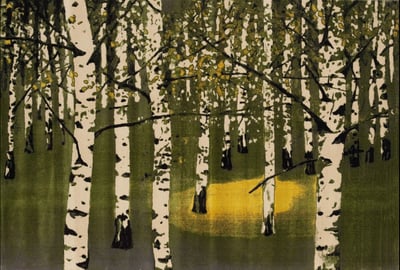
Josef Felix Müller
Birkenwald IV, 2006
Tapestry
Tapestry
EUR 2,700

Thomas Lange
Prometheus, 1986
Tapestry
Tapestry
EUR 2,700

Sergey Bratkov
Magic Carpet (small), 2006
Tapestry
Tapestry
EUR 2,700

Peter Blake
I Love You, 1983
Tapestry
Tapestry
Currently Not Available
Related Articles

Lowbrow is a derogatory term that refers to certain forms of popular culture. It describes an art movement that began in Los Angeles in the 1970s. The term lowbrow originally refers to a person with little intellectual or refined taste. The Lowbrow art movement, also known as Pop Surrealism, blends elements of underground comics, punk music, hot rod culture, and other subcultures, often with a sense of humor and irony.

Nouveau Réalisme is an artistic movement founded in 1960 by art critic Pierre Restany and painter Yves Klein during a collective exhibition at a gallery in Milan. Restany wrote the original manifesto in April 1960, proclaiming the movement. In October of that year, nine artists, including Martial Raysse, Yves Klein, Daniel Spoerri, Jean Tinguely, Arman, Pierre Restany, and three Ultra-Lettrists—Jacques de la Villeglé, François Dufrêne, and Raymond Hains—signed the declaration. In 1961, the movement expanded to include Mimmo Rotella, Niki de Saint Phalle, Gérard Deschamps, and César. The movement emphasized a return to reality in art, often incorporating everyday objects and exploring the boundaries between art and life.
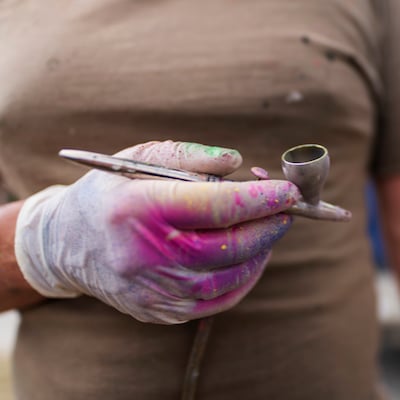
An airbrush is a device that sprays various media, including paint and ink, using compressed air. Artists use airbrushes to create a smooth, even application of color, often achieving effects that are not possible with traditional brushes. James Rosenquist, an American Pop artist, regularly used an airbrush in his work. Before gaining fame with pieces like the iconic F-111 (1965), he worked as a commercial and industrial painter, where he honed his airbrush skills.
Can't find your Answer?
Thank you! Your question has been sent — we'll get back to you shortly.
