

What is Tapestry?
Tapestry is a heavy, handwoven textile featuring intricate designs or images woven directly into the fabric. Created by skilled weavers using materials like wool, linen, cotton, silk, and sometimes silver and gold threads, tapestries have historically served as art pieces, decorations, insulation, and symbols of authority.
Show All
- Show All
- Established
- Discoveries
Show All
- Show All
Artworks Related to Tapestry
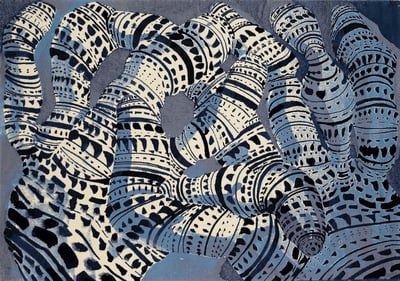
Tony Cragg
Form Code (Blue), 2006
Tapestry
Tapestry
EUR 10,000

Tony Cragg
From Code (Red), 2006
Tapestry
Tapestry
EUR 7,500
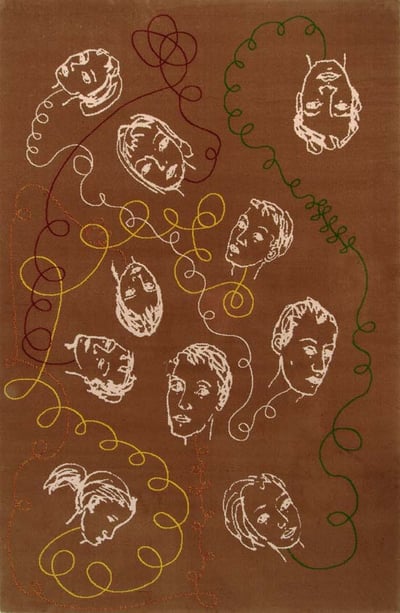
Stephan Balkenhol
Köpfe (B-large), 2006
Tapestry
Tapestry
EUR 12,000
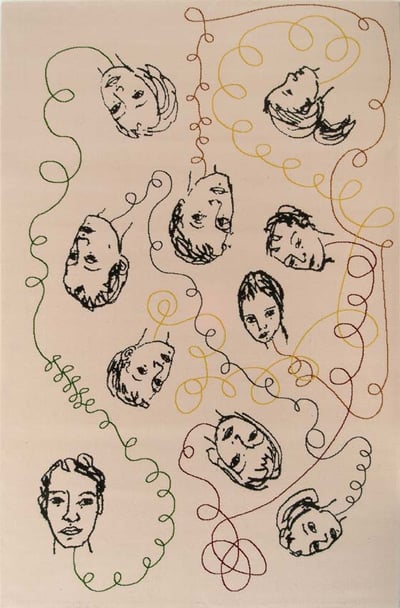
Stephan Balkenhol
Köpfe (W-large), 2006
Tapestry
Tapestry
EUR 12,000

Stephan Balkenhol
Köpfe (B), 2006
Tapestry
Tapestry
EUR 6,500

Stephan Balkenhol
Köpfe (G), 2006
Tapestry
Tapestry
EUR 6,500

Stephan Balkenhol
Köpfe (W), 2006
Tapestry
Tapestry
EUR 6,500

Jan Fabre
Flies, 2002
Tapestry
Tapestry
EUR 4,800

Jan Fabre
Fly, 2002
Tapestry
Tapestry
EUR 4,800

Jan Fabre
Privy - White, 2002
Tapestry
Tapestry
EUR 6,500

Jan Fabre
Privy - Red, 2002
Tapestry
Tapestry
EUR 6,500
Related Articles
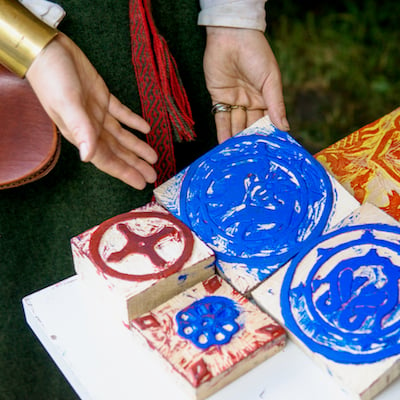
Woodcut is a printing technique where an image is carved into the surface of a woodblock using gouges, with the remaining flat surface holding the ink for printing. The areas cut away by the artist do not carry ink, while the uncut areas do, producing the desired print. The carving follows the wood's grain, unlike wood engraving, where the block is cut across the end-grain. Ink is applied to the surface with a roller, ensuring only the flat, uncarved areas receive ink, leaving the recessed, non-printing areas clean.
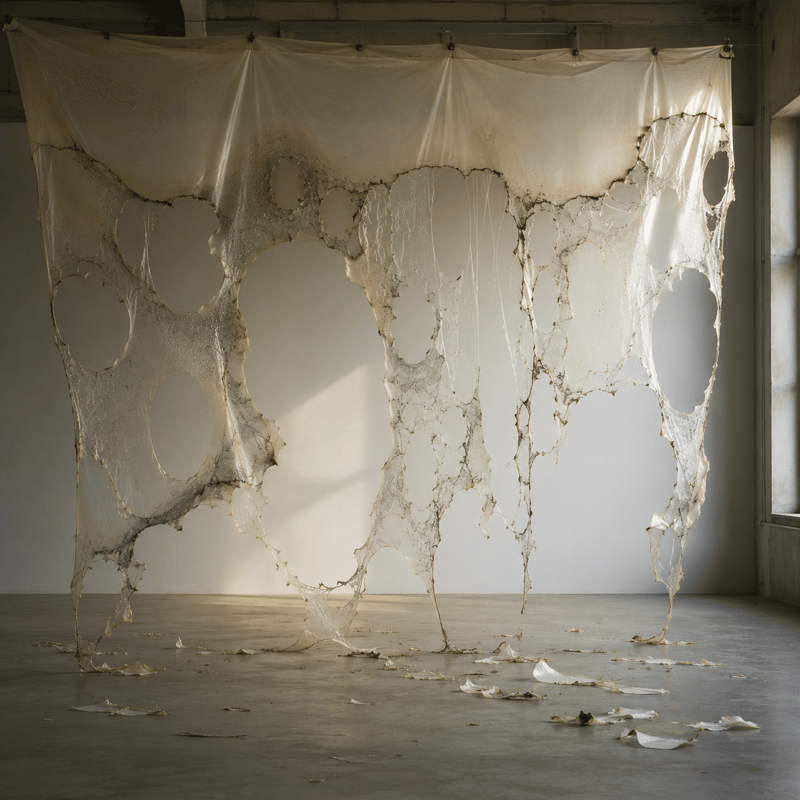
A term coined to describe artworks that are designed to be destroyed during their creation. Gustav Metzger, who developed this concept, outlined key principles: the artwork must disintegrate within 20 years, be self-completing, and involve public participation.

Bricolage is the creation or construction of a piece of art using materials that are readily available to the artist. The term is French and roughly translates to do-it-yourself. This approach became popular when materials were scarce, encouraging artists to improvise and repurpose everyday objects. Bricolage emphasizes creativity and resourcefulness, often resulting in artworks that reflect the unique character of the materials used.
Can't find your Answer?
Thank you! Your question has been sent — we'll get back to you shortly.
