
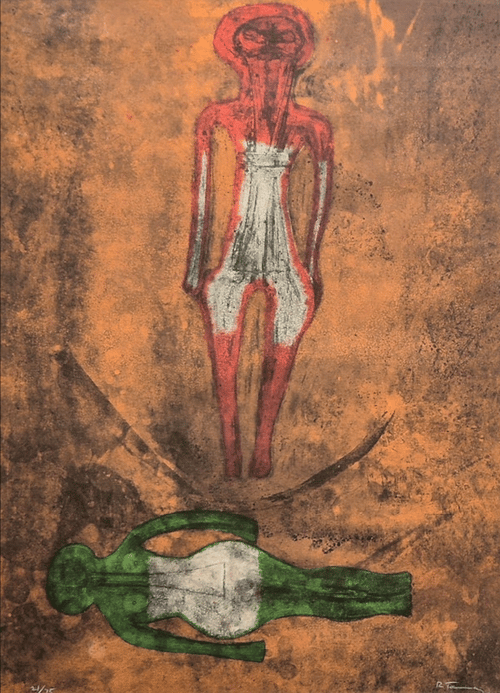
Rufino Tamayo
© Rufino Tamayo. All rights reserved.
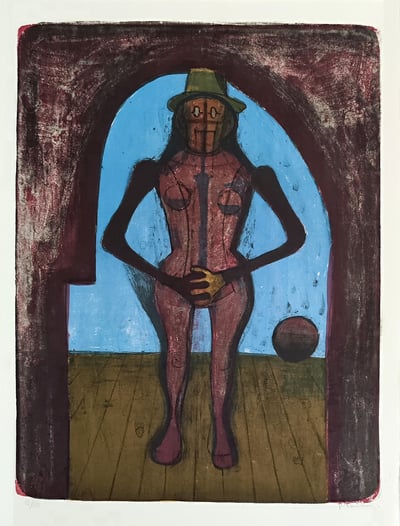
Rufino Tamayo
Femme au Collant Rose, 1969
Limited Edition Print
Lithograph
EUR 2,600
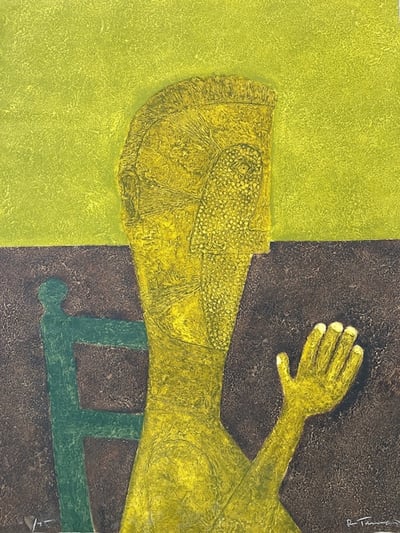
Rufino Tamayo
Personaje sentado, 1976
Limited Edition Print
Etching
EUR 4,375
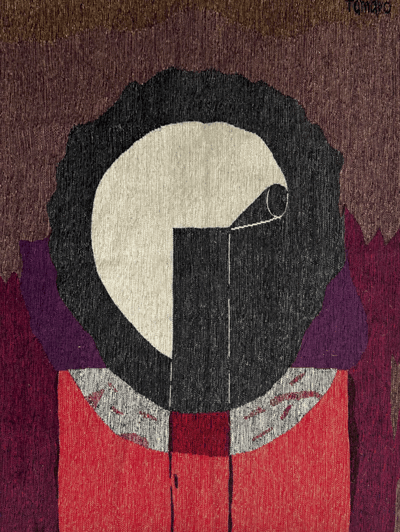
Rufino Tamayo
Untitled (Textile), 1960s
Tapestry
Tapestry
Inquire For Price
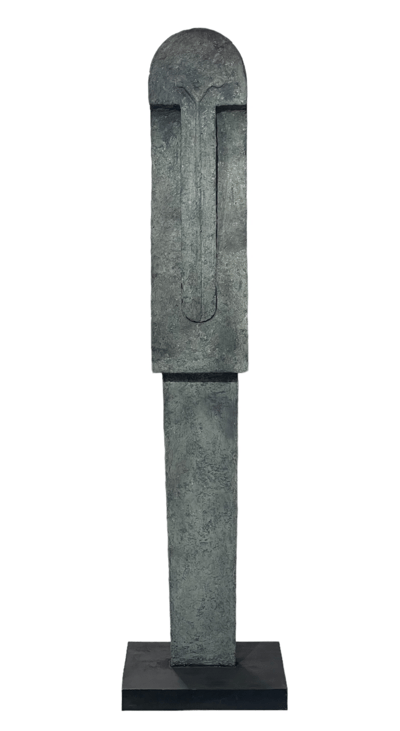
Rufino Tamayo
Monolito, 1981
Sculpture / Object
Mixed Media
Inquire For Price

Rufino Tamayo
Dos Figuras, 1973
Limited Edition Print
Lithograph
USD 5,980
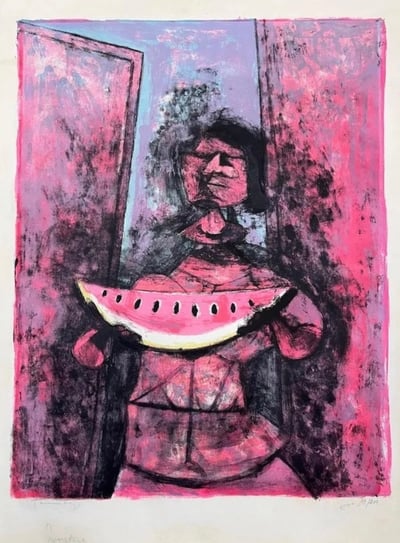
Rufino Tamayo
Mujer con sandia, 1950
Limited Edition Print
Lithograph
EUR 5,000
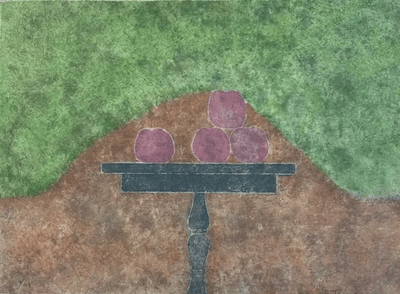
Rufino Tamayo
Bodegón, 1980
Limited Edition Print
Etching
EUR 5,200
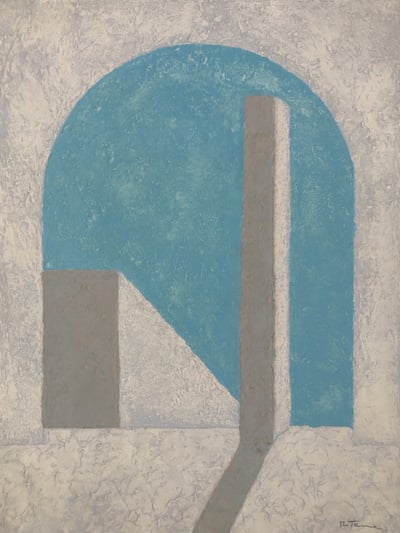
Rufino Tamayo
Torre Blanca, P. 197, 1976
Limited Edition Print
Etching
USD 5,500

Rufino Tamayo
Dos Figuras, P. 205, 1976
Limited Edition Print
Etching
USD 6,600

Rufino Tamayo
Cabeza Sur Fonde Verte, P. 258, 1984
Limited Edition Print
Etching
USD 6,600
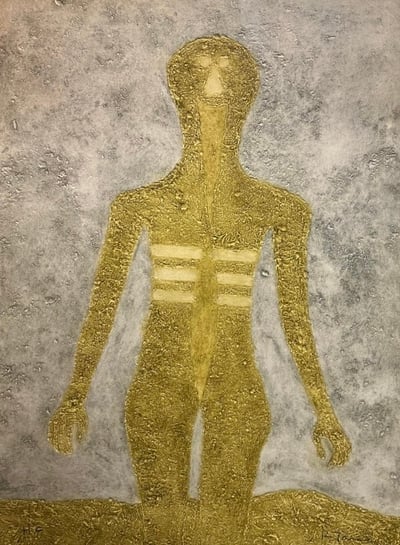
Rufino Tamayo
Figura Sobre Azur, 1976
Limited Edition Print
Etching
USD 5,200
— Rufino Tamayo
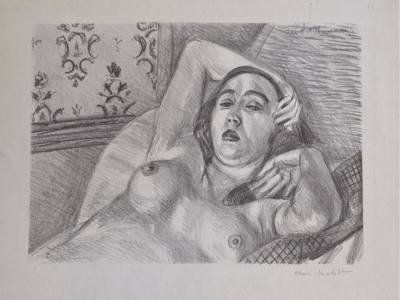
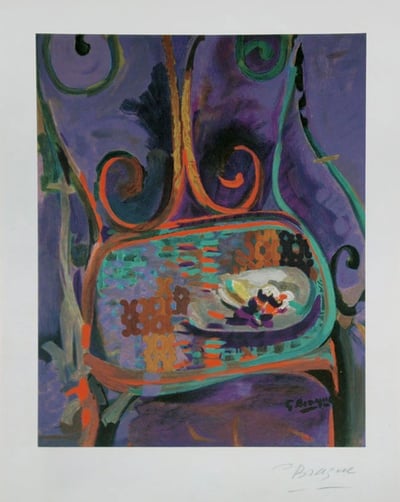
Related Artists


Related Articles
News, Popular, Collecting, Artists - August 12, 2026
In Minor Keys: Finding Intimacy and Identity at the 61st Venice Biennale — and in Your Collection
Explore how Koyo Kouoh’s 61st Venice Biennale vision, In Minor Keys, is shifting contemporary collecting toward quiet introspection, memory, and personal identi…Read More
 Artwork by Alex Katz
What is figurative art?
Sometimes known as Figurativism, figurative art refers to sculptures and paintings that are clearly or specifically derived from real objects, making them representational. The term figurative art is often used in contrast to abstract art. However, since the emergence of abstract art, figurative art has come to describe any form of modern art that has strong…
Explore »

