
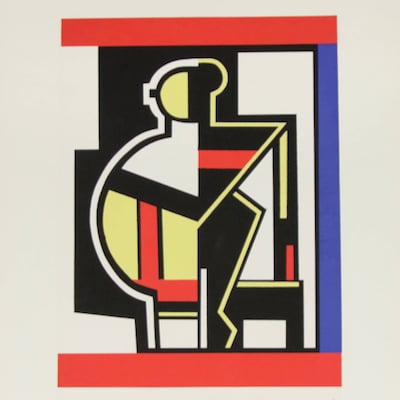
What is Cubism?
- Show All
- Established
- Discoveries
- Show All
Artworks Related to Cubism

Pablo Picasso
A Los Toros (set of 4), 1961
Limited Edition Print
Lithograph
Inquire For Price

Pablo Picasso
Les Banderilles from A los toros avec Picasso, 1961
Limited Edition Print
Lithograph
Inquire For Price

Pablo Picasso
Young Spanish Peasant, 1970
Limited Edition Print
Lithograph
Inquire For Price

Pablo Picasso
One plate, from Les Portraits Imaginaires (2), 1969
Limited Edition Print
Offset Print
Inquire For Price

Marc Chagall
La Bénédiction de Jacob, 1979
Limited Edition Print
Lithograph
Inquire For Price
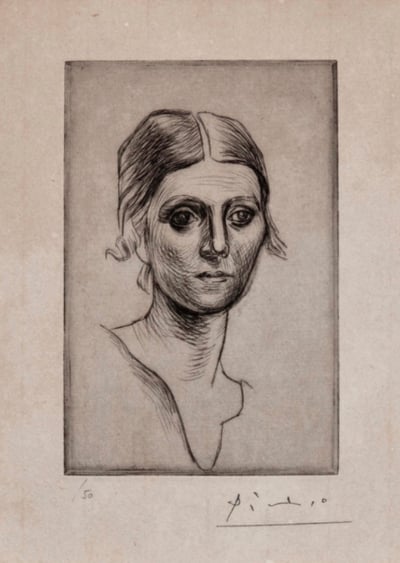
Pablo Picasso
Portrait d'Olga Picasso, 1920
Limited Edition Print
Drypoint
Artwork On Hold

Pablo Picasso
Taureau sous l'arbre (Bull under the Tree), 1952
Ceramics
Ceramic
EUR 4,800
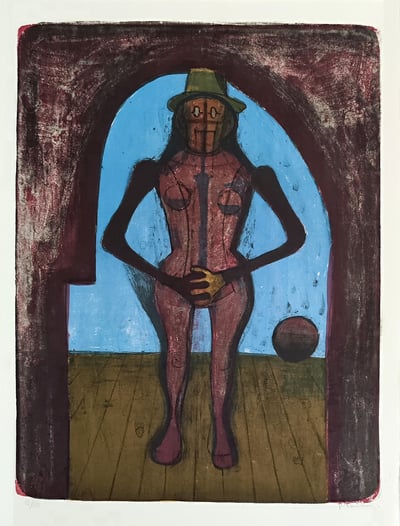
Rufino Tamayo
Femme au Collant Rose, 1969
Limited Edition Print
Lithograph
EUR 2,600

Pablo Picasso
Le Joueur de Diaule, 1966
Limited Edition Print
Etching and Aquatint
Currently Not Available
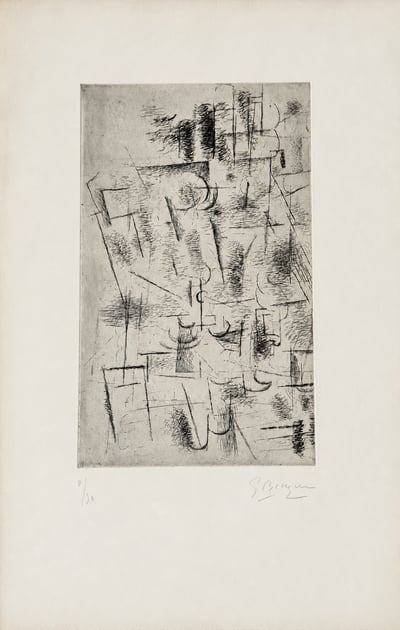
Georges Braque
Still Life with Glass, 1912-1950
Limited Edition Print
Etching
EUR 12,000

Alberto Giacometti
Buste II, 1960
Limited Edition Print
Lithograph
EUR 4,800

Marc Chagall
Job in Despair, 1960
Limited Edition Print
Lithograph
USD 5,300
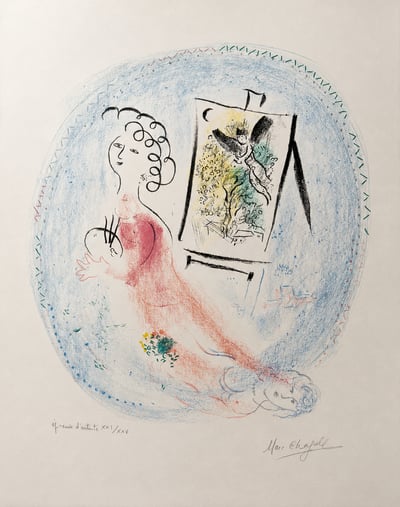
Marc Chagall
The Easel, 1969
Limited Edition Print
Lithograph
EUR 8,500

Pablo Picasso
Peintre et modèle au bandeau, 1966
Limited Edition Print
Etching and Aquatint
EUR 18,000

Marc Chagall
Printemps au Pré (from Daphnis and Chloe), 1961
Limited Edition Print
Lithograph
EUR 6,200
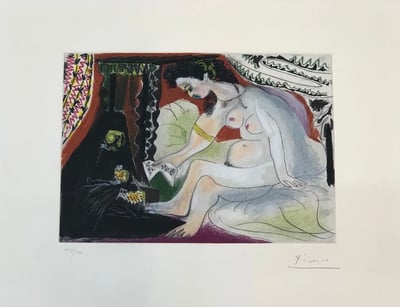
Pablo Picasso
Bethsabée, 1966
Limited Edition Print
Etching and Aquatint
EUR 22,350
Related Articles
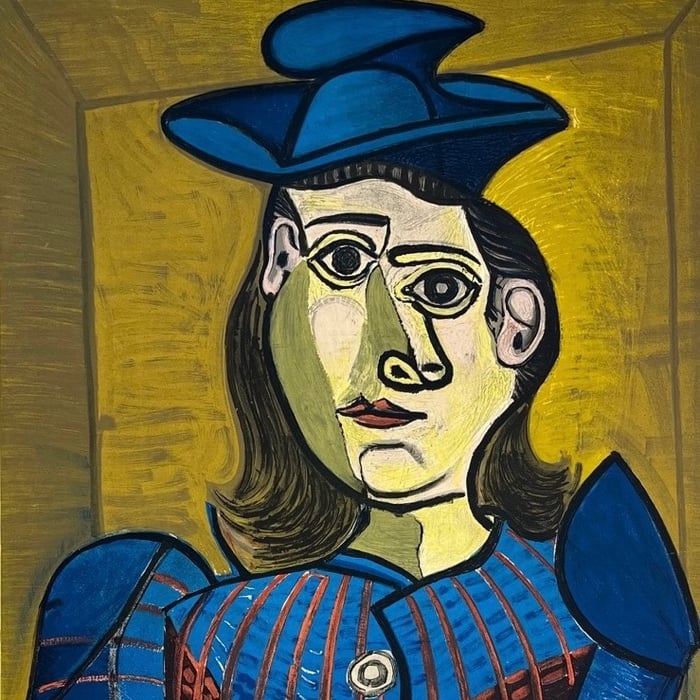
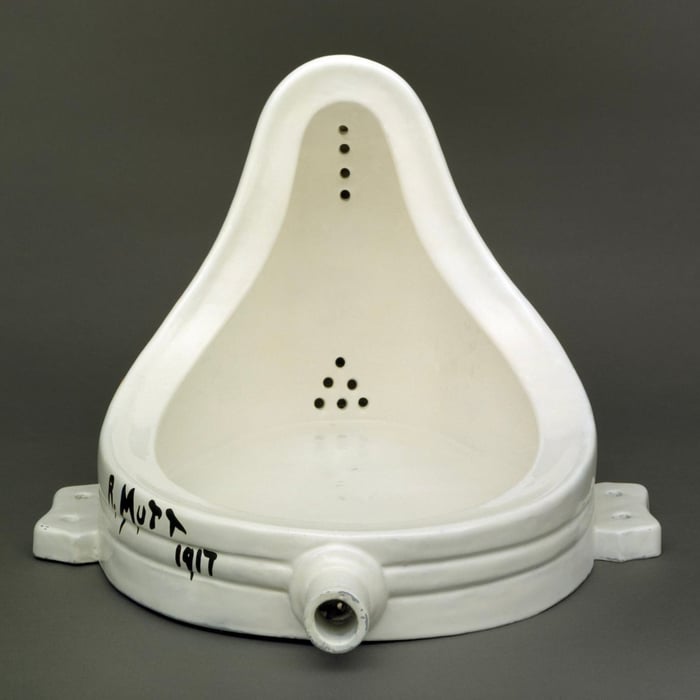


The Uncanny is a concept described by psychologist Sigmund Freud as the eerie or unsettling feeling that arises when something familiar is presented in a strange or unfamiliar way. Surrealist artists, who aimed to reveal the subconscious and merge it with reality, often utilized this concept by combining familiar objects in unexpected and bizarre ways. This approach created a sense of discomfort or unease, challenging the viewer's perception of reality.
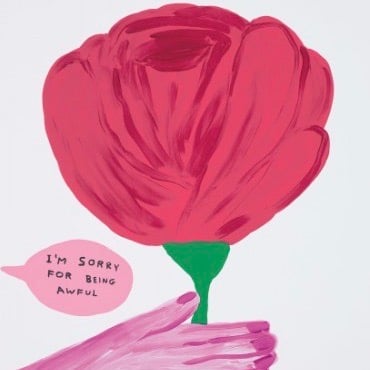
Naïve art describes a style of artwork that is simple and unsophisticated, often created by artists without formal training in an academy or art school. The style is characterized by a lack of advanced techniques, giving it a childlike appearance. Naïve art often features bright colors, simple shapes, and a straightforward approach to subject matter, reflecting the artist's untrained perspective.

Multiples refer to a series of identical art objects produced in limited editions according to the artist's concept. These works are specifically created for sale and are often considered the most affordable and accessible form of contemporary art. What sets multiples apart is their lack of uniqueness, which is typically seen as essential in traditional artworks. Instead, they offer value and enjoyment while making contemporary art more widely available.
Can't find your Answer?
Thank you! Your question has been sent — we'll get back to you shortly.
