
What is Cubism?
- Show All
- Established
- Discoveries
- Show All
Artworks Related to Cubism
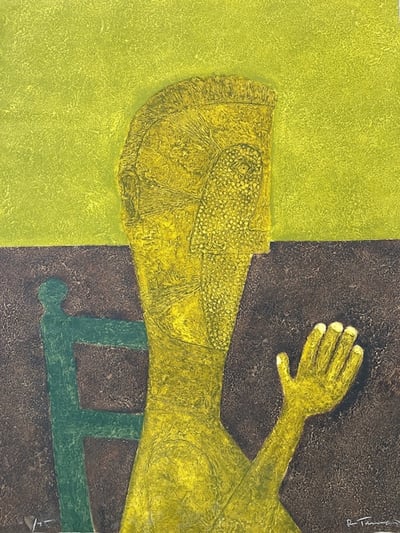
Rufino Tamayo
Personaje sentado, 1976
Limited Edition Print
Etching
EUR 4,375
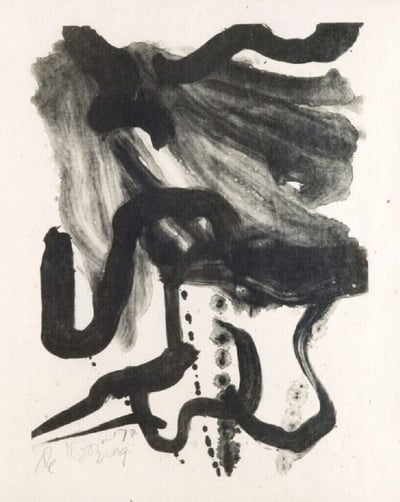
Willem de Kooning
Woman with long hair and corset, 1970
Limited Edition Print
Lithograph
Inquire For Price

Javier Calleja
Pop Top Planter and Flower Vase, 2021
Sculpture / Object
Ceramic
Inquire For Price
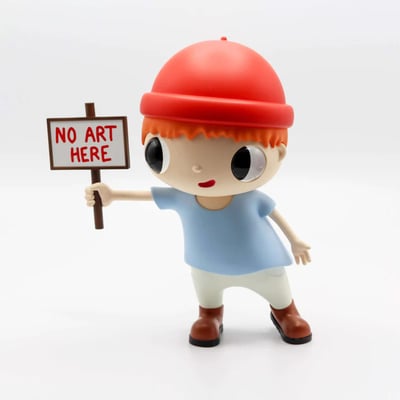
Javier Calleja
No Art Here, 2020
Sculpture / Object
Resin
GBP 1,300
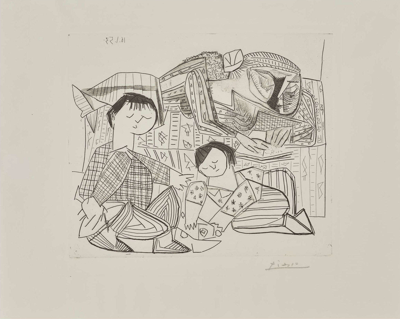
Pablo Picasso
Mere et Enfants, 1961
Limited Edition Print
Etching and Aquatint
GBP 20,000
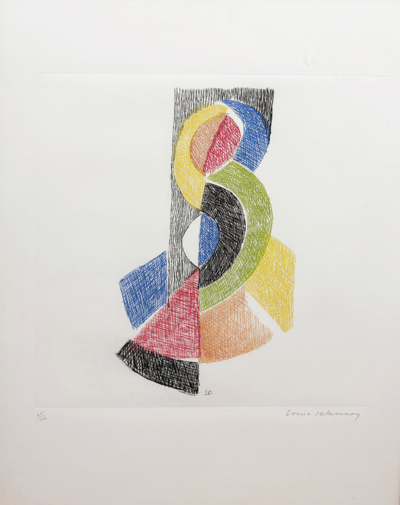
Sonia Delaunay
Rhythm Coleur VI, 1966
Limited Edition Print
Etching
EUR 4,800

Pablo Picasso
Sculpteur et Sculpture, 1965
Limited Edition Print
Aquatint
EUR 10,400

Pablo Picasso
Angler, 1955
Ceramics
Clay
EUR 7,800
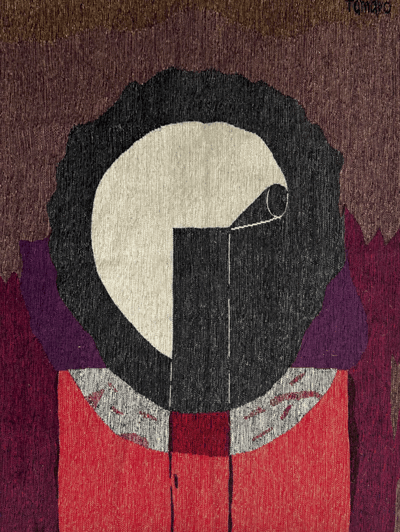
Rufino Tamayo
Untitled (Textile), 1960s
Tapestry
Tapestry
Inquire For Price
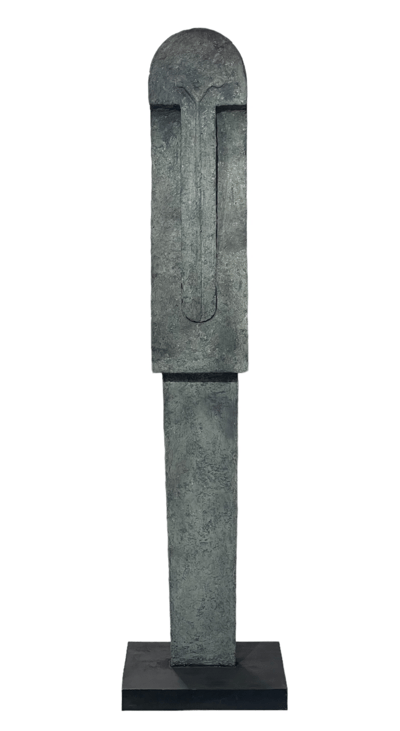
Rufino Tamayo
Monolito, 1981
Sculpture / Object
Mixed Media
Inquire For Price

Marc Chagall
Nu au visage double (Nude with a Double Face) (M. 1013), 1983
Limited Edition Print
Lithograph
USD 7,200
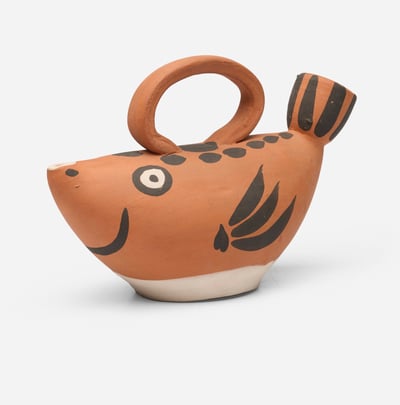
Pablo Picasso
Sujet poisson (A.R. 139), 1952
Sculpture / Object
Clay
EUR 15,000

Marc Chagall
David and Bathsheba, 1956
Limited Edition Print
Lithograph
EUR 4,550

Marc Chagall
Isaiah Divinely Inspired, 1956
Limited Edition Print
Lithograph
EUR 4,800
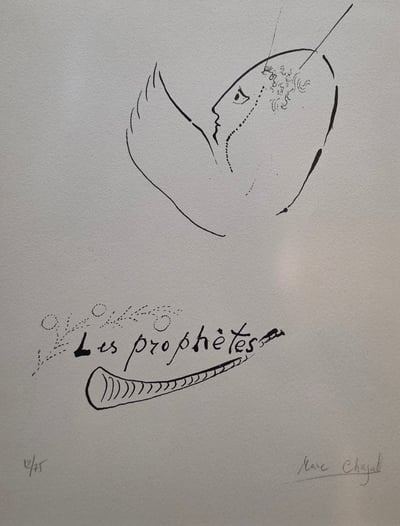
Marc Chagall
The Prophets, 1956
Limited Edition Print
Lithograph
EUR 4,550

Marc Chagall
Passage du Jourdain, 1956
Limited Edition Print
Etching
EUR 16,000
Related Articles


Xiamen Dada was a Chinese artist group based in Xiamen, a city on China’s southeast coast. Emerging in the 1980s, the group explored the relationship between Chan Buddhism and European Dada, embracing absurdity and the use of chance in the creation of their artworks. Xiamen Dada sought to challenge conventional artistic norms, blending Eastern philosophy with the avant-garde practices of Dada, and became known for their provocative and unconventional approach to art.
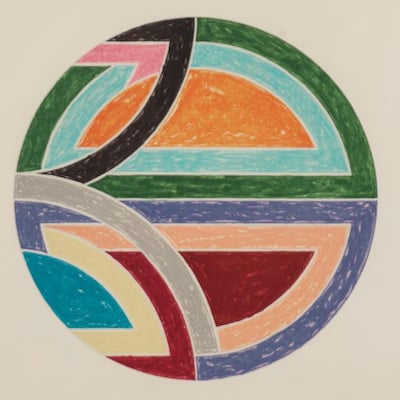
American Abstract Artists (AAA) is an organization founded in New York City in 1936 to promote abstract art and its appreciation in the United States. At a time when abstract art faced strong opposition from critics, the AAA provided crucial exhibition opportunities for abstract artists, helping to foster the growth and acceptance of the movement.
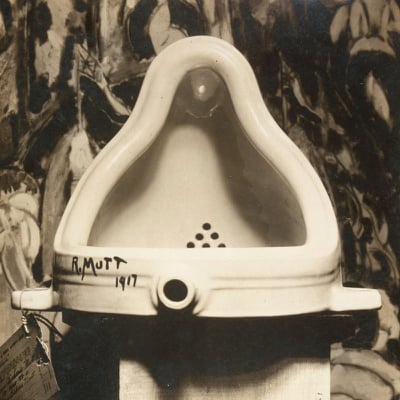
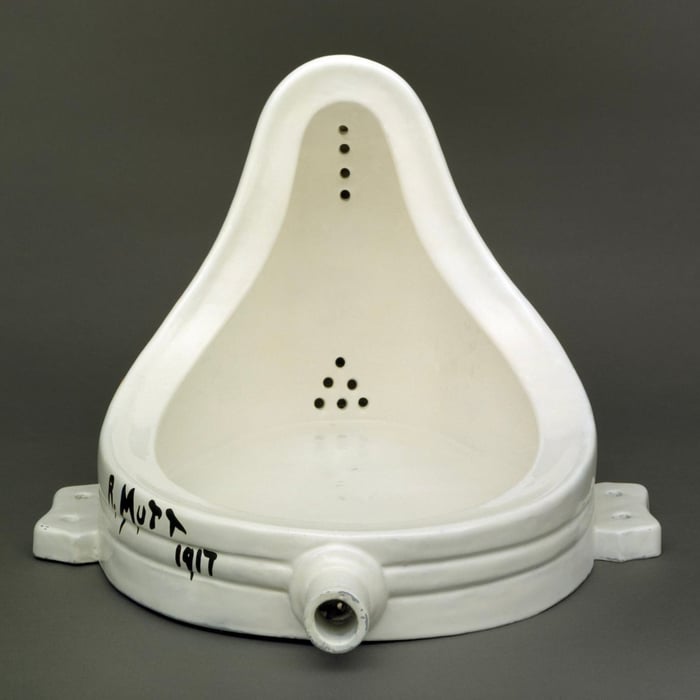
A found object is a term used to describe a man-made or natural object, or a fragment of one, that an artist discovers or purchases and keeps for inspiration or as a work of art. The artist may also modify the object or incorporate it into a collage or assemblage, transforming it into a new piece of art.
Can't find your Answer?
Thank you! Your question has been sent — we'll get back to you shortly.
