

What is late modernism?
- Show All
- Established
- Discoveries
- Show All
Artworks Related to Late modernism
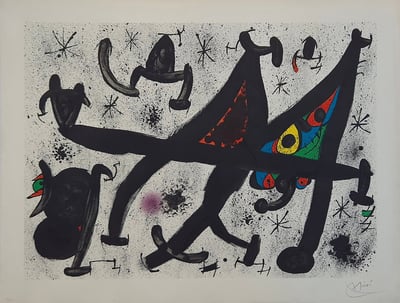
Joan Miró
Homenatge a Joan Prats 11, 1971
Limited Edition Print
Lithograph
Inquire For Price
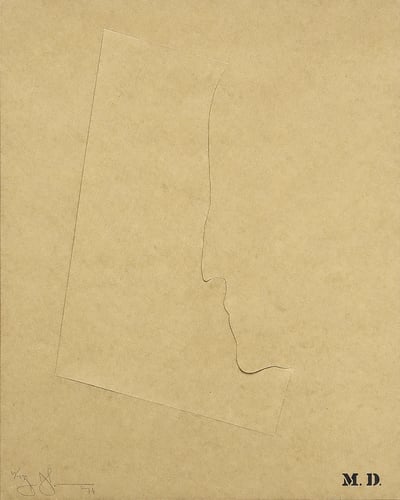
Jasper Johns
M. D., 1974
Limited Edition Print
Mixed Media
Inquire For Price

Yayoi Kusama
Flower, 1982
Limited Edition Print
Collage
Inquire For Price

Yayoi Kusama
Grapes In The City, 1989
Limited Edition Print
Screen-print
Inquire For Price

Frank Stella
Palmito Ranch, from Benjamin Moore Series, 1971
Limited Edition Print
Lithograph
Inquire For Price

Joan Miró
Pl.11 from L'enfance d'Ubu, 1975
Limited Edition Print
Lithograph
Inquire For Price

Andy Warhol
Kiku, II.309, 1983
Limited Edition Print
Screen-print
USD 40,000 - 50,000

Andy Warhol
Electric chair, 1978
Limited Edition Print
Screen-print
USD 65,000 - 80,000
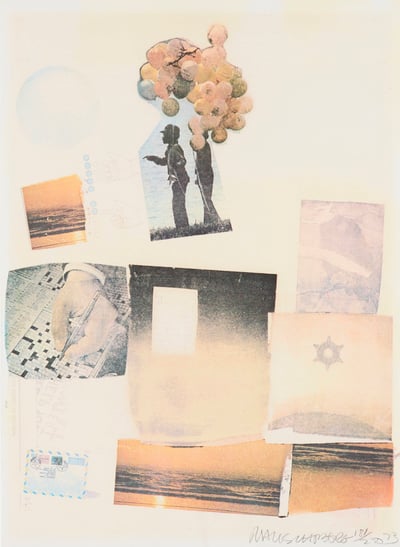
Robert Rauschenberg
Support, 1973
Limited Edition Print
Screen-print
Inquire For Price

Andy Warhol
Sex Parts II.174, 1978
Limited Edition Print
Screen-print
Inquire For Price

Andy Warhol
Sex Parts II.177, 1978
Limited Edition Print
Screen-print
Inquire For Price
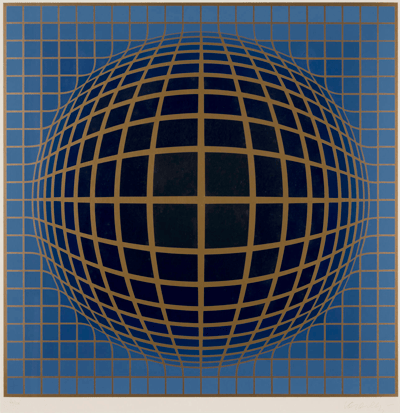
Victor Vasarely
B-Bomb-b (4), 1974
Limited Edition Print
Screen-print
Inquire For Price

Victor Vasarely
B-Bomb-b (3), 1974
Limited Edition Print
Screen-print
Inquire For Price

Victor Vasarely
B-Bomb-b (2), 1974
Limited Edition Print
Screen-print
Inquire For Price
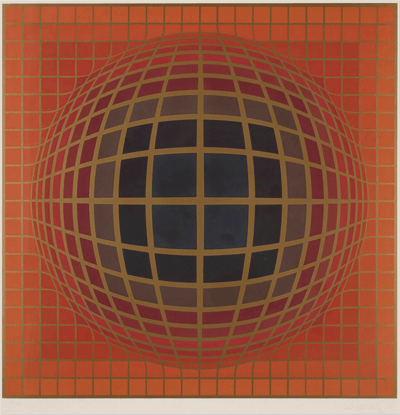
Victor Vasarely
B-Bomb-b (1), 1974
Limited Edition Print
Screen-print
Inquire For Price

Andy Warhol
Ladies and Gentlemen Complete Portfolio, II.128-137, 1982
Limited Edition Print
Screen-print
Inquire For Price
Related Articles


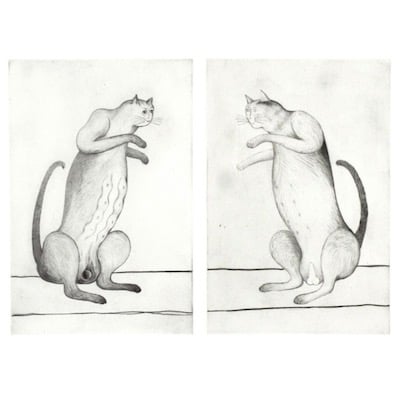
A diptych is an artwork composed of two panels. These panels can be painted, carved, or made using various mixed media techniques. They may be connected by hinges, allowing them to close for protection, or they can be displayed side by side. Historically, diptychs were often used in religious art.

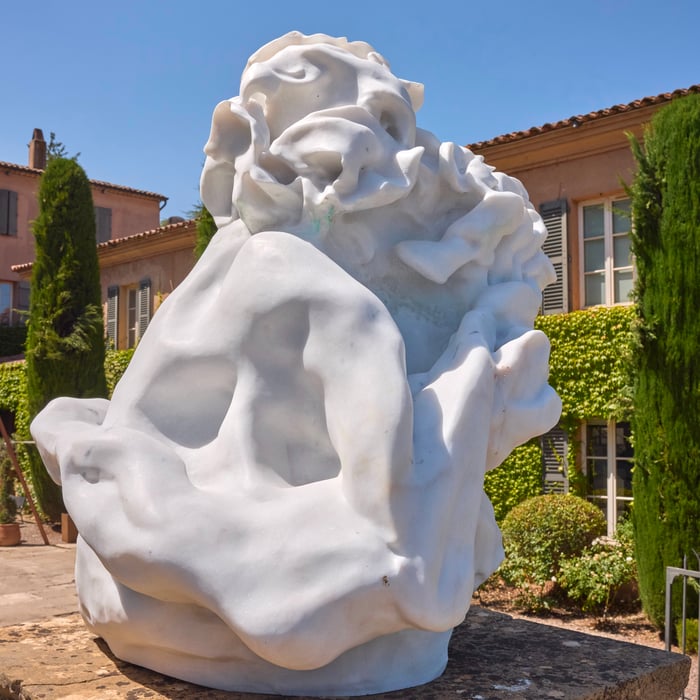
A maquette is a small-scale model of a sculpture that serves as a preliminary version of the final piece. It allows the artist to experiment with ideas and make adjustments without the expense and effort of creating a full-sized sculpture.
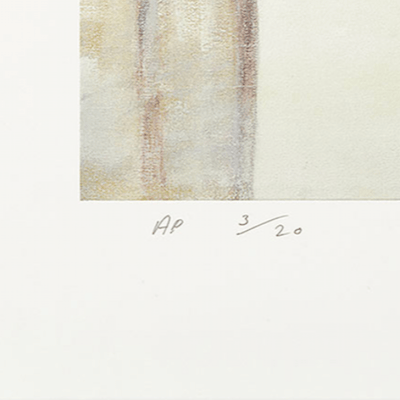
An artist proof traditionally refers to a print impression taken during the printing process to evaluate the current state of the artwork as the artist works on the plate. These proofs often show incomplete images and are sometimes called trial impressions or working proofs. However, in modern practice, an artist proof typically refers to an impression of the finished work that is identical to the numbered edition copies but is set aside for the artist's personal use. Artist proofs are usually marked A.P. and may be considered more valuable by collectors due to their limited availability.
Can't find your Answer?
Thank you! Your question has been sent — we'll get back to you shortly.
