

What is late modernism?
- Show All
- Established
- Discoveries
- Show All
Artworks Related to Late modernism

Andy Warhol
San Francisco Silverspot, II.298 from the Endangered Species portfolio, 1983
Limited Edition Print
Screen-print
Inquire For Price
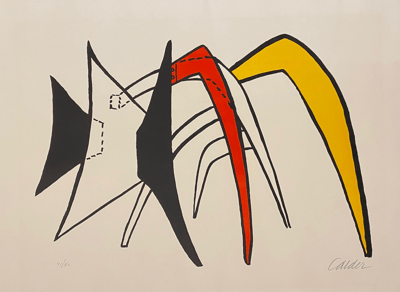
Alexander Calder
Stabiles, 1963
Limited Edition Print
Lithograph
USD 8,400
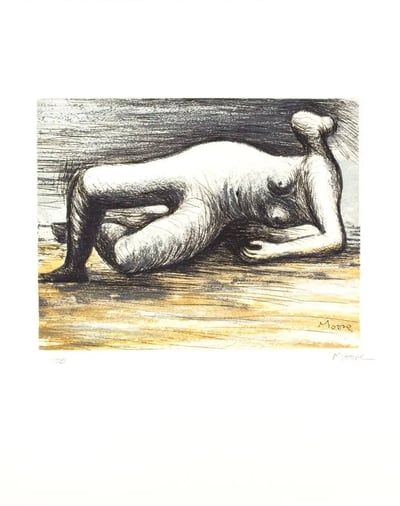
Henry Moore
Reclining nude (C. 670), 1980
Limited Edition Print
Etching and Aquatint
USD 3,600
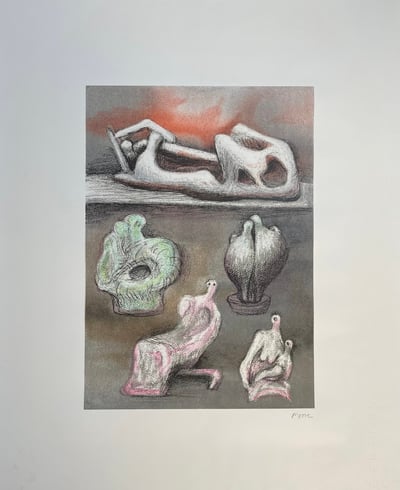
Henry Moore
Five Ideas for Sculpture (C. 610), 1981
Limited Edition Print
Lithograph
USD 3,600
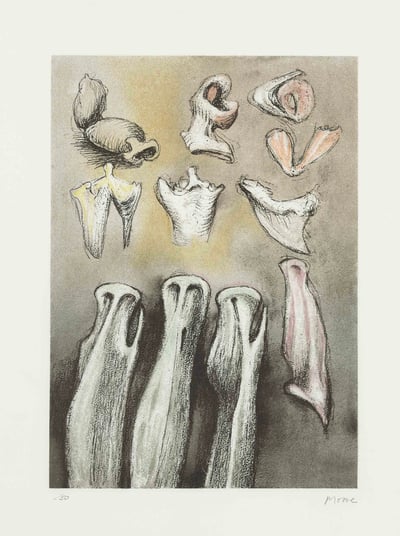
Henry Moore
Three Sisters (C. 621), 1981
Limited Edition Print
Lithograph
USD 3,600
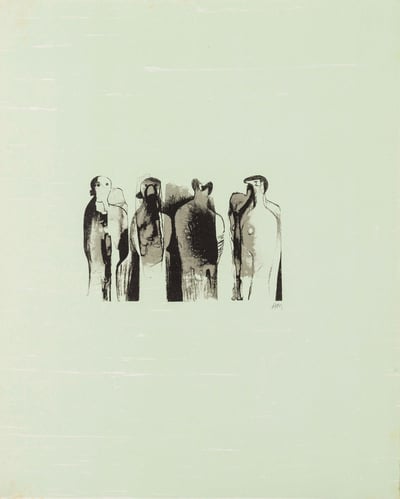
Henry Moore
La Poesie: Four Standing Figures (C. 323), 1973-1975
Limited Edition Print
Lithograph
USD 3,600
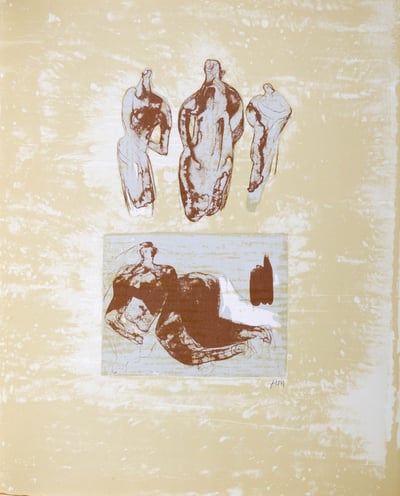
Henry Moore
La Poesie: Ideas from a Sketchbook (C. 324), 1973-1975
Limited Edition Print
Lithograph
USD 3,600
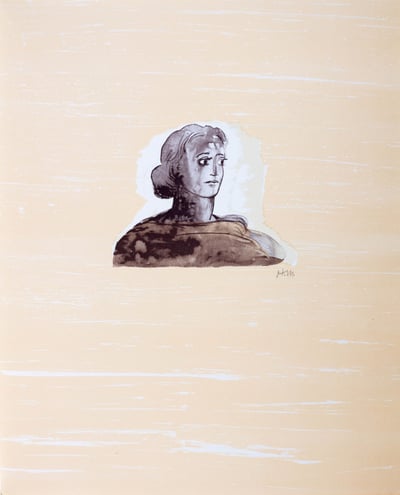
Henry Moore
La Poesie: Creole Lady (C. 321), 1973-1975
Limited Edition Print
Lithograph
USD 3,600
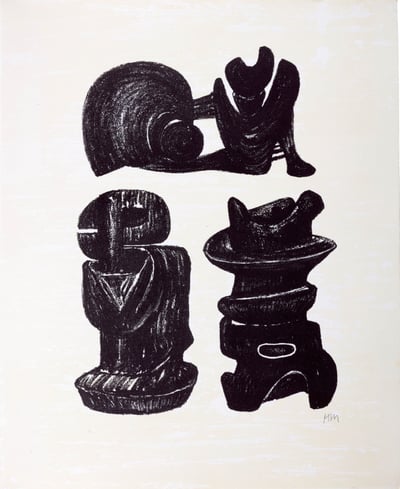
Henry Moore
La Poesie: Three Sculptural Forms (C. 320), 1973-1975
Limited Edition Print
Lithograph
USD 3,600
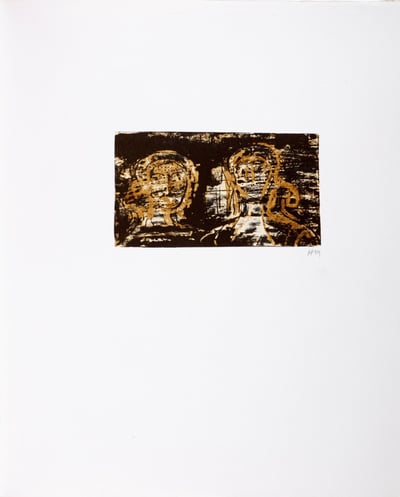
Henry Moore
La Poesie: Two Heads (C. 318), 1973-1975
Limited Edition Print
Lithograph
USD 3,600
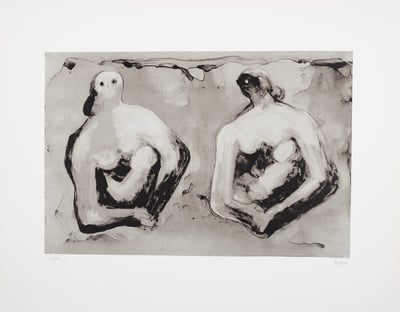
Henry Moore
Sisters with Children (C. 544), 1979
Limited Edition Print
Lithograph
USD 3,600
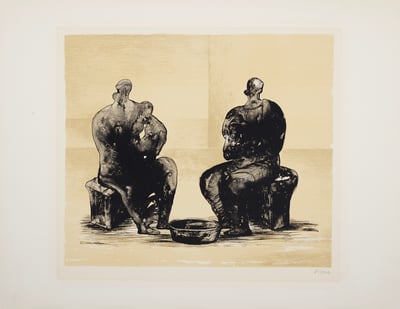
Henry Moore
Two Women Bathing Child II (C. 310), 1973
Limited Edition Print
Lithograph
USD 3,600

Henry Moore
Collection of 10 Prints, 1973–1981
Limited Edition Print
Mixed Media
USD 29,250

Andy Warhol
In The Bottom of my Garden IV.87A, CA. 1956
Limited Edition Print
Lithograph
EUR 6,600

Andy Warhol
In The Bottom of my Garden IV.91A, CA.1956
Limited Edition Print
Lithograph
USD 6,600
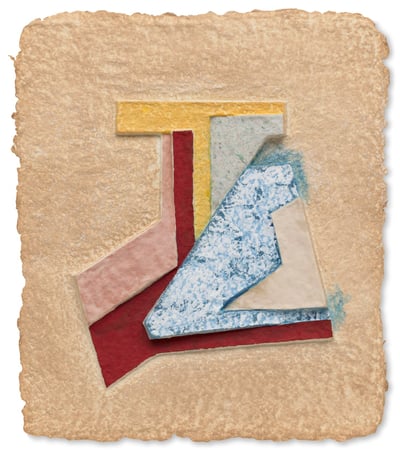
Frank Stella
Nowe Miastro (IV), from the Paper Relief Project, 1975
Drawing / Watercolor
Collage
USD 11,450
Related Articles


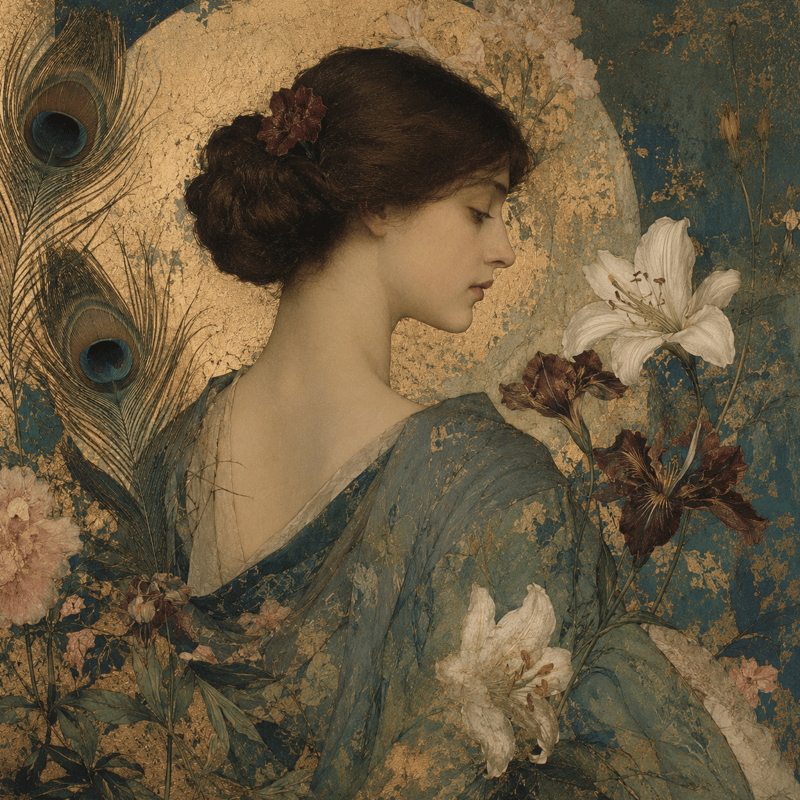
The Aesthetic Movement emerged in the late 19th century, emphasizing the beauty and sensual qualities of art over practical or moral considerations. It promoted the idea of creating art for its own sake, valuing beauty and aesthetic experience as ends in themselves. The movement was particularly influential in Britain.

Acrylic on canvas is a technique where acrylic paint is applied to a canvas surface using tools like brushes and palette knives. Acrylic paint is a synthetic medium made from liquid plastic, which can be thinned with water and dries quickly when exposed to air. This fast-drying quality makes it versatile for layering and various painting techniques.

Spatialism is an art movement that originated in Italy in 1947, founded by Lucio Fontana with the intention of synthesizing sound, color, movement, and space into a new form of art. The movement's central ideas were outlined in Fontana's first manifesto, published in 1947, where he introduced the concept of spatial art to capture the spirit of the post-war era. His ideas were further developed in five subsequent manifestos. Although Fontana's ideas were sometimes considered vague, his influence was significant, as he was one of the first European artists to emphasize art as a performance and gesture.
Can't find your Answer?
Thank you! Your question has been sent — we'll get back to you shortly.
